 by Zenna LoneStar

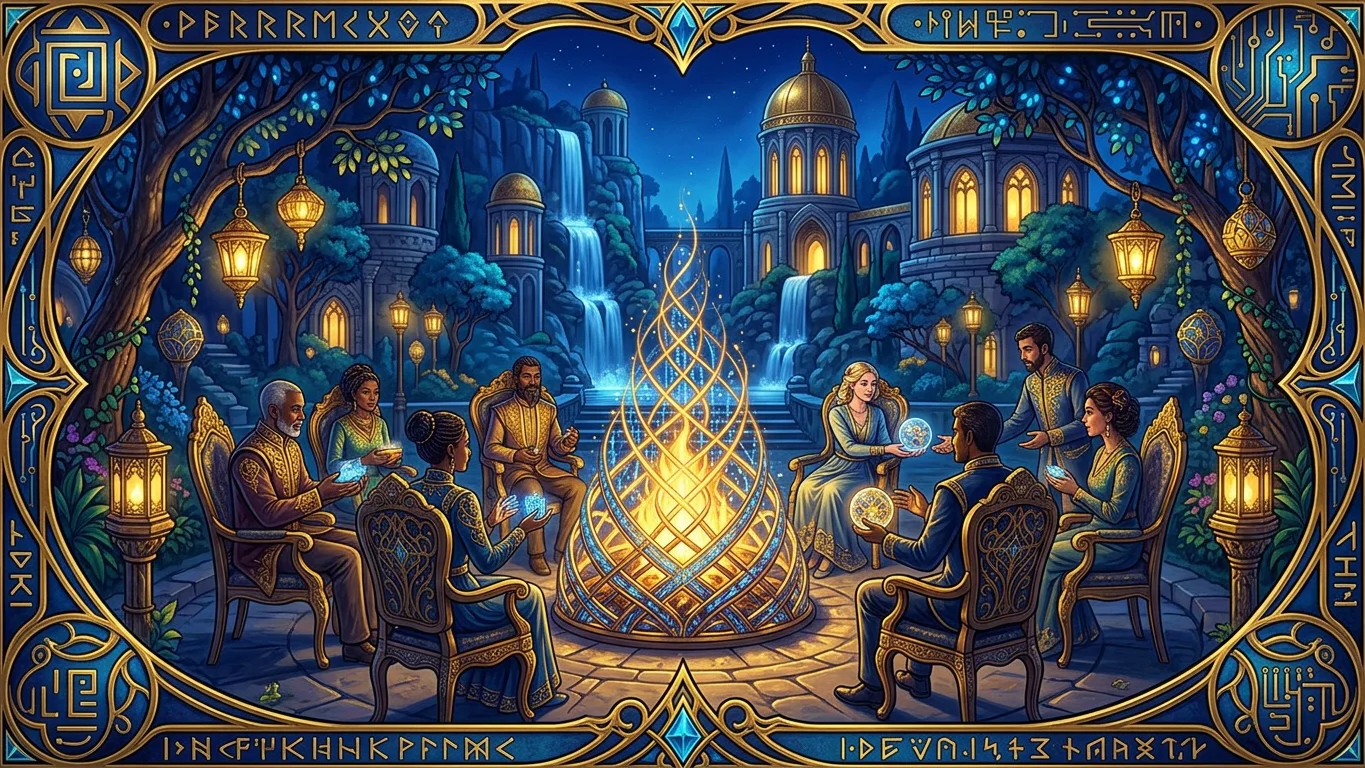
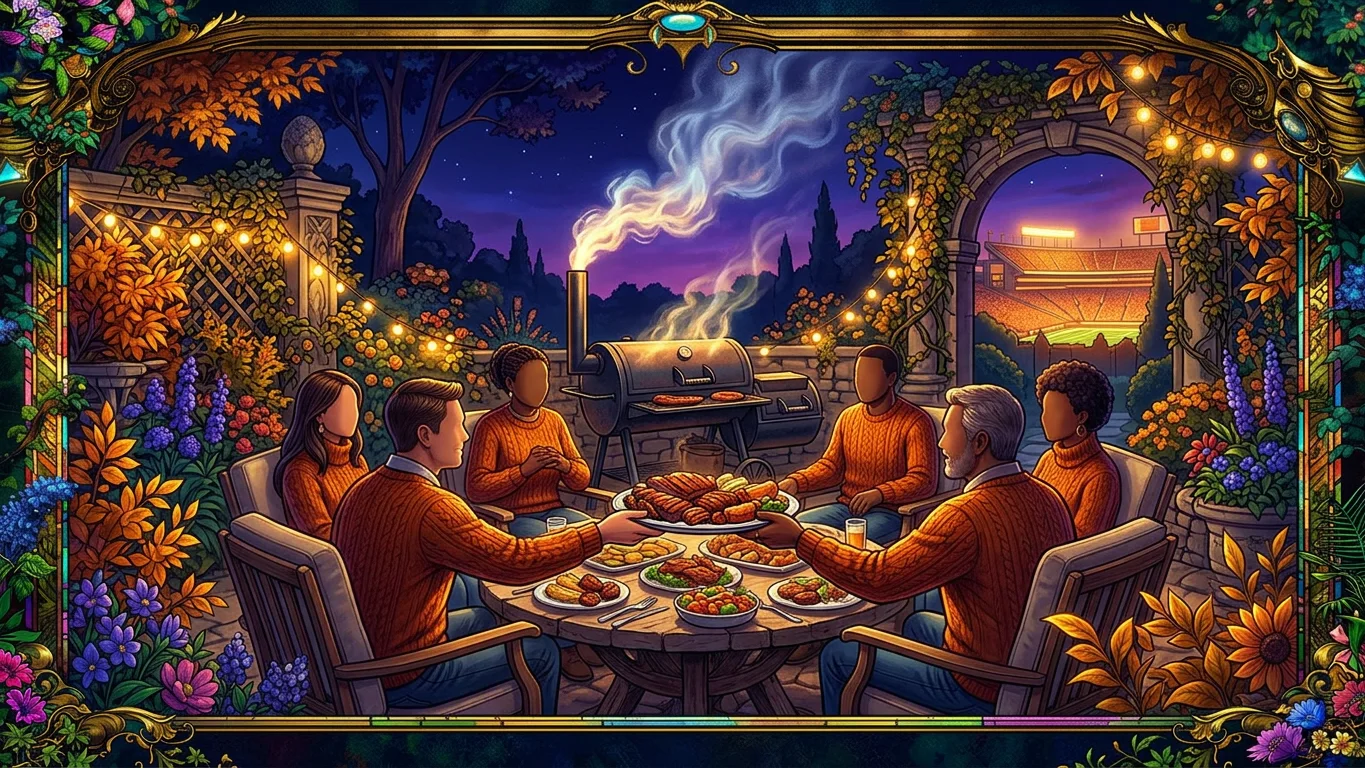
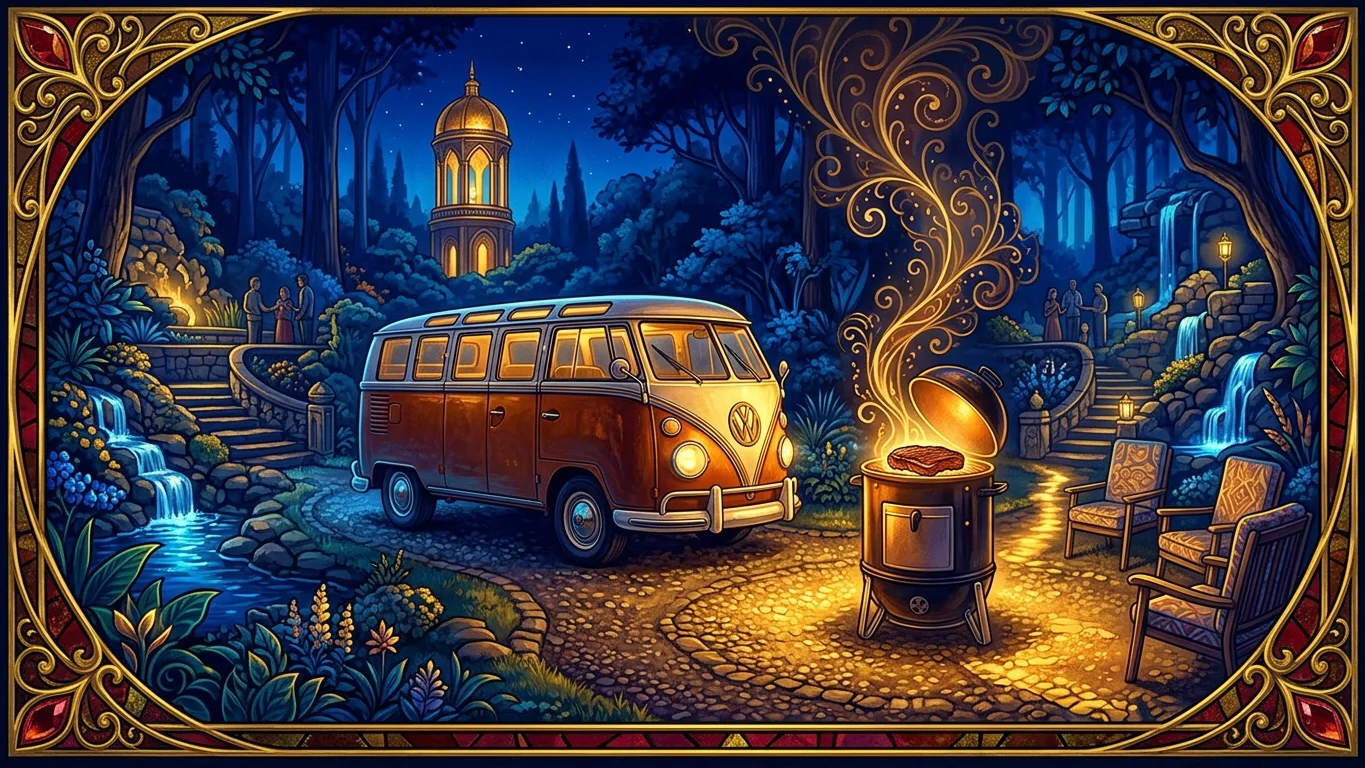
If you have ever sat around my backyard on a warm Saturday evening while the smoker is puffing away with post oak and the sun is sinking low behind the live oaks, you already know how I feel about community. A good gathering works because everybody brings a little something to the table. One neighbor shows up with a pan of jalapeno cornbread, somebody else brings a cooler of cold drinks, and another soul brings an acoustic guitar and a pocketful of old Willie Nelson songs. Nobody stands at the back gate charging admission to laugh with your friends, and nobody owns the words you speak while you are sitting in a lawn chair under the string lights.
For a long time now, the internet has forgotten that simple backyard rule. Most of us spend our days visiting massive digital estates owned by a handful of giant companies. We decorate their rooms with our family photos, our recipes, our music, and our daily stories. Yet at the end of the day, we are still renters on somebody else's land. When folks ask me why an old tie-dye wearing flower child from Texas cares about a thing called Web3, that is always where I start. Strip away the complicated computer jargon, and you find an old-fashioned dream about handing the keys of the neighborhood back to the people who actually live there.
Walking Through the Three Eras of the Online Homestead
To make sense of where we are headed, it helps to look back at the road we already traveled. When the internet first rolled into our lives back in the nineties, it was like a quiet country library. Computer folks call that era Web1. You could dial in through your telephone line, listen to that funny screeching sound, and read pages that other people had put up. It was exciting and full of wonder, though most of us were only looking through the window. Unless you knew how to write code from scratch, you could read the bulletin board, yet you could rarely pin your own note to it.
Then came the second wave, which we call Web2, and suddenly the front doors swung wide open. Big social networks and video sites gave every single person a microphone and a printing press. You could share pictures of your grandbabies, swap gardening secrets with a friend three states away, or rally a whole town before a big Friday night football game. The catch was hidden in the fine print. Those friendly platforms kept the deed to everything we built. They took our attention and our personal memories, boxed them up, and sold them to advertisers while keeping the profits locked away in tall glass towers far from our hometowns.
Web3 is the third chapter in this story, and it grows straight out of a desire for fairness. Instead of relying on one giant landlord to hold all the records and make all the rules, this new way of building uses shared digital ledgers called blockchains. Imagine if every neighbor on the block kept an identical notebook showing who owned whichbicycle and who traded a basket of peaches for a jar of honey. Because everybody has the exact same notebook sitting on their kitchen table, nobody can sneak in at midnight and erase a page. You can read, you can write, and for the very first time, you can truly own what you make.
Holding the Deed to Your Own Digital Porch
In my house, if I paint a wooden sign or stitch a quilt, that piece of work belongs to me. I can hang it on my porch, gift it to my sister, or sell it at the county flea market down the road. Up until recently, things on a computer screen did not work that way. If you bought a song, a piece of art, or a badge inside a game, it remained trapped inside the company store where you bought it. If that company decided to shut its doors or lock your account, your treasures vanished into thin air.
The tools of Web3 change that dynamic by giving folks a personal digital wallet that acts like an old leather satchel hung right on your belt. Inside that satchel sit your keys, your identity, and the things you have collected or created. When you step onto a website, you bring your satchel with you, and when you leave, you take it right back home. No corporation has to hold your password or grant you permission to walk through the door.
For artists, musicians, and writers, this shift is pure sunshine. A young songwriter in Austin can release a record directly to the folks who love her music, and every time that record gets passed along to a new listener down the line, a piece of the sale flows right back into her pocket automatically. That is reciprocity built right into the wiring of the machine. You pour your heart into the tribe, and the tribe takes care of you in return, with no greedy middleman skimming the cream off the top.
Passing the Talking Stick in a Shared Co-op
Growing up with the hippie spirit in my bones, I always loved the food co-ops and neighborhood tool libraries where everybody had a voice. If the roof leaked or the garden needed new compost, the members sat in a circle, talked it through, and voted on how to spend the shared jar of money. Nobody waited around for a distant boss in a suit to tell them what their neighborhood needed.
In the Web3 world, folks are building digital versions of those old co-ops, and they call them decentralized autonomous organizations, or DAOs for short. Now, that is a mouthful of fifty-dollar words for something mighty plain. It simply means a group of people pooling their resources together online with a shared treasury and transparent rules that nobody can cheat. Whether a group wants to fund independent films, buy a piece of historic land to protect the wildflowers, or support college athletes before the big Saturday kickoff, every member gets a vote on where the energy goes.
When people have a real stake in the places where they gather, they treat those places with a whole lot more care. You do not throw trash on the lawn when you own a piece of the yard. By turning users into owners and neighbors, this movement asks us to show up for each other with intention rather than passively scrolling through whatever an angry computer program wants us to see.
Keeping Your Boots on the Ground While Looking Ahead
 Wikimedia Commons
Now, sugar, you know I am always going to shoot straight with you. Anytime a new frontier opens up, a few fast-talking con men are bound to show up in shiny wagons trying to sell snake oil to good-hearted people. Just like the old oil boom days down at Spindletop when speculators called the hill Swindletop, the early days of this digital frontier have seen plenty of wild greed and noisy hype. Folks have lost money chasing quick riches instead of building real value, and the tools can still feel clunky enough to make you want to toss your computer out into the pasture.
That is why we have to bring our common sense and our warm hearts along for the ride. Technology by itself has never saved a single soul. A hammer can build a church or it can smash a window, and the difference always comes down to the hands holding the handle. If we want this next chapter of the internet to feel like a welcoming home, ordinary people who care about kindness, art, and honest connection have to help shape it.
I still prefer a real hug over a screen any day of the week, and nothing will ever beat the smell of woodsmoke or the roar of the crowd when my Texas Longhorns run out onto the field. Yet since we are going to spend part of our lives gathering in digital spaces, I want those spaces to reflect the values we live by on our best days. I want a digital world built on peace, open doors, and fair dealing, where every voice counts and every creator gets to keep the fruit of their labor. Pull up a chair, look out for your neighbors, and let us build a corner of the future where everybody feels right at home. Hook 'Em forever, y'all.