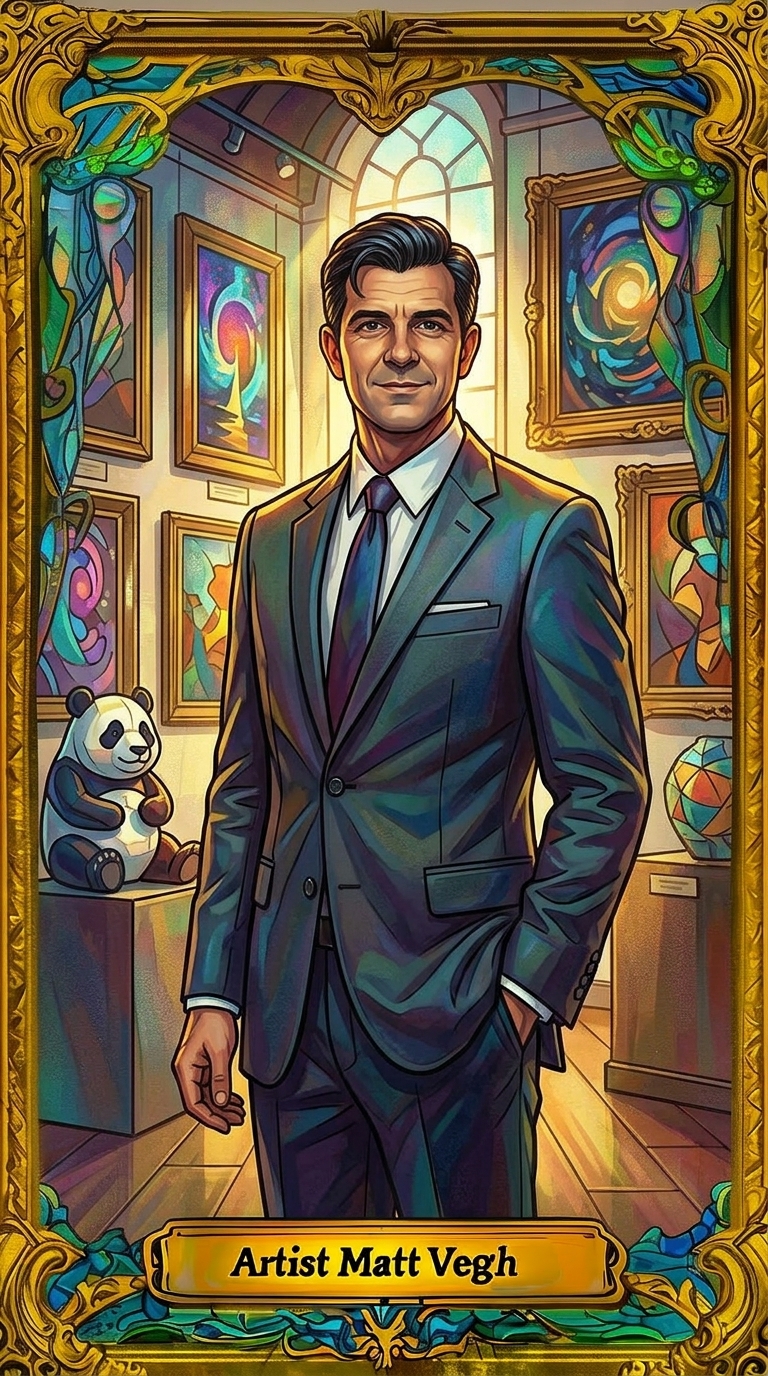
 With Artist Matt Vegh
 Artist-Led Philanthropy: Integrating Giving into Your Practice as a Living Artist
Ten years ago, self-taught and working outside any traditional system, I began painting in my Chengdu studio with a simple guiding belief: art can do more than hang on walls or sit in collections. It can actively help people in real, tangible ways.
This new art-centered approach, has guided me over the past decade of my "now-emerged" practice and builds on my 26-year Sunrise China initiative, which has long focused on fostering hope and opportunity in communities across the country. Through direct donations of original works and proceeds, I've contributed over 1 million RMB to causes that matter deeply: life-saving surgeries for children, support for orphanages like Children’s SOS Village in Sichuan, medical aid and practical tools for women and children in minority and rural areas, and grassroots initiatives through international NGOs, as well as local groups.
Getting Started on Your Own Terms
This isn't about scale, spectacle, or seeking attention: it's about making “giving” a consistent, integrated part of creating and selling art. For every piece that finds a home with a collector who connects to it, I've made it standard to give back meaningfully. As a living artist, you don't need to wait for what others may deem "success" or a big platform to start. Whether you're emerging, mid-career, or further along, incorporating philanthropy into your work doesn't hurt your reputation: it can actually deepen it. Collectors who buy from artists who give often feel a stronger bond to the piece; the artwork carries not just aesthetic value but human impact. It builds trust, loyalty, and word-of-mouth in ways that pure market plays rarely do. Far from diluting your practice, it adds layers of meaning that make the art more resonant.
There are Many Worthy and Direct-Placement Causes
In my own studio gallery, where I've sold over 1,050 originals since 2017 (many live-painted for visitors), regular giving looks like this: pieces to Hopeful Hearts for pediatric surgeries, support for education scholarships for Tibetan and other minority students, support for regional orphanages to defray operation costs and help for rural families facing unexpected needs. I've also gifted hundreds of small-format originals (10x10 cm or 15x15 cm abstracts) to kids and seniors at workshops and events: quiet moments of connection that remind me:
that art's power goes well beyond the canvas.
My studio extends that spirit further: offering free space, materials, mentorship, and sales support to local and international artists, including those who are disadvantaged or disabled. Hearing-impaired painter Wang Huang Rong sells her work through my studio gallery (often times in direct collaborative painting with me) with proceeds going straight to her family.
The Ripple Effect
These aren't add-ons; they're part of how art creates ripples. When a collector acquires a Zodiac piece or Mosaic Abstract and knows a portion supports others in a meaningful way, the transaction becomes something more sacred. The work lives with dual purpose: visual joy for them, real help in the real world for others.
As a living artist, you can start wherever you stand. Donate a single piece to a local cause. Set aside a percentage of sales. Gift small works at events. Open your space to someone who needs it. The key is consistency over grand gestures: small, repeated acts compound into meaningful change without derailing your career or market position. Many artists quietly do versions of this and find it strengthens their practice, not weakens it.
Closing Thoughts
My door in Chengdu remains open. The next piece is underway, the next donation planned. Because the deepest legacy isn't always measured in vaults or auction records: it's also in lives quietly improved because an artist chose to let their work give back.
If you're a fellow artist reading this, consider it: How might weaving “giving” into your process feel? It doesn't require fanfare or sacrifice of reputation. It just requires the willingness to let art serve beyond itself.
One palette knife or brushstroke, one act, one inspired step at a time. That's a practice worth pursuing.