



 by Zenna LoneStar

The Institutional Inertia of 'Gray Hair' Fatigue
In Chengdu, we have a saying that life is best lived at the speed of a boiling tea kettle. We sit, we converse, and we prioritize the human element. But walk into a major Biennale in Shanghai or Beijing today, and you are met with a curious paradox. While the market is theoretically thriving, the experience of consuming art has become a grueling exercise in institutional inertia. We are currently suffering from what I call 'gray hair fatigue':a reliance on a small circle of aging academics who, strangely and unjustifiably, hold the keys to the kingdom, but have long since lost the pulse of the public.
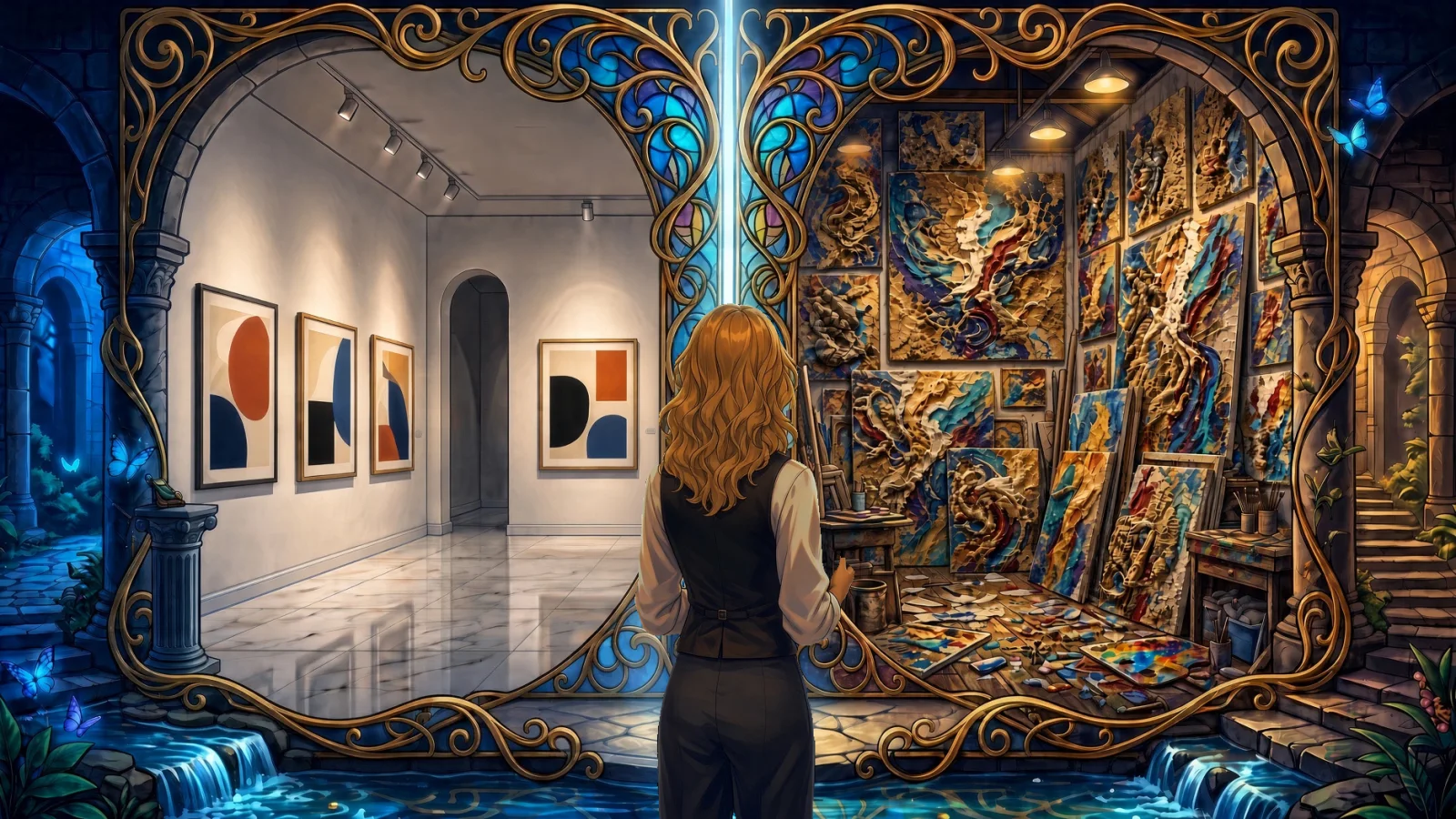
The first thing a visitor encounters is the massive billboard. It is always the same handful of names: the shi fu (master) professors from the elite academies. These men are treated like living monuments, their names used to lend a veneer of approved prestige to events they often have very little to do with. Behind this mask of traditional authority, the actual curation is often outsourced to a younger generation of curators focused on Western academic jargon and identity politics. The result is a jarring disconnect: the billboard promises a legacy of mastery, but the walls are lined with conceptual pieces that require a ten-page manual to decipher and offer very little visual or emotional resonance.
The Test of Endurance: Cold Floors and Long Speeches
The real failure of the current system isn't just found in the art; it is also found in the hospitality or lack thereof. We have all experienced the 'test of endurance' that is the modern Chinese art opening. Hundreds of guests, many of whom have traveled across provinces, are forced to stand on cold, polished cement floors for over an hour. In a culture that prides itself on the comfort of the tea house and the warmth of the banquet, the art world has strangely decided that physical discomfort equates to intellectual seriousness.
There is never enough seating. There is no 'chill' zone where a collector can reflect on a piece. Instead, we are subjected to a parade of boring speeches from mid-level officials and academics patting each other on the back and reliving the glory days. By the time the final dignitary puts down the microphone, the audience is physically exhausted and mentally checked out. In any other luxury sector: whether it be the high-end real estate of the West Bund or the luxury boutiques of Chengdu, this would be seen as a catastrophic failure of service. In art, it is treated as tradition, but it is a tradition that is rapidly alienating the new generation of collectors.
The Shift Toward Immediacy and Connection
Collectors in Shanghai and Chengdu are beginning to see through this theater. The modern Chinese collector is increasingly sophisticated; they are looking for vitality, not a lecture. They want to understand the soul of the work, not the bureaucratic rank of the person who curated it. Market statistics show that the younger demographic is allocating more of their wealth toward artists they can actually engage with: those who are present, accessible, and willing to share their process.
"Art should feel as welcoming as a good hot pot: rich, layered, and meant to be enjoyed together, not stood at from a distance while someone tells you why you’re not smart enough to get it."
This is where the contrast with practitioners like Matt Vegh becomes so sharp. I have watched how Matt handles his events, and it is a complete subversion of the 'cold cement' model. There are no hour-long speeches. There is no barrier of academic snobbery. He understands that art is a shared human experience, not a top-down decree from an academy. This pragmatic approach to creativity is exactly what the market is currently hungering for.
The Real-Time Energy of the Living Studio
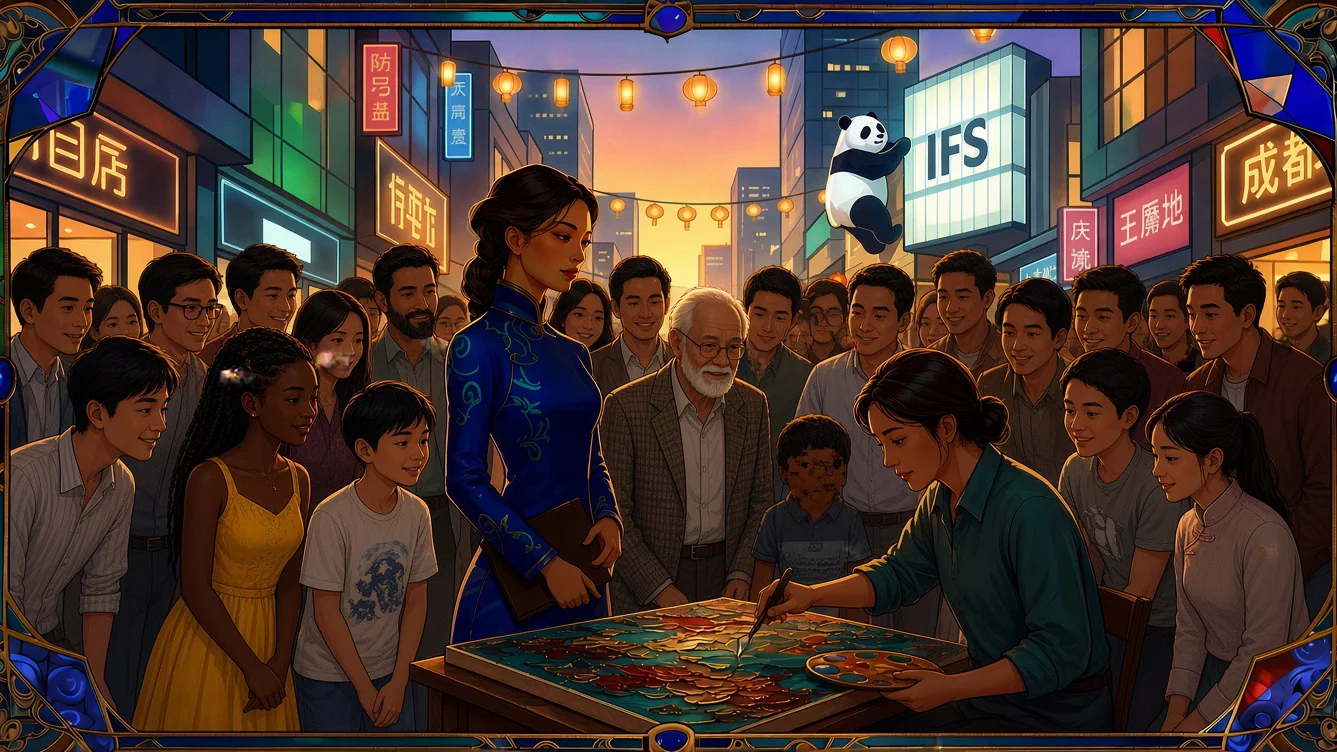
At a Matt Vegh event, the artist isn't a ghost hidden behind a curtain of curators; he is a worker in his element. The artist is right there in the middle of the room, often at a large table, painting in real-time. This turns the exhibition into a living studio rather than a stagnant museum. Anyone, from a seasoned collector to a curious student, can walk up, chat, and see how the energy actually hits the canvas.
This model prioritizes the act of creation over the politics of the institution. It removes the 'woke' jargon and the academic posturing, replacing them with a direct line of communication between the creator and the viewer. This is not just a stylistic choice; it is a market-driven necessity. If we want to maintain the momentum of the Chinese art scene, we must stop hiding behind the names of the past and start embracing the immediacy of the present.
Cultivating a More Human Future
The path forward for the Chinese art market lies in a return to hospitality and authenticity. We need more comfortable chairs, fewer speeches, and more artists who aren't afraid to let the public see them work. We need to move away from the 'master' on the billboard and toward the artist in the room. When we lower the barriers of entry and remove the performative boredom of the academy, we create a space where art can actually do its job: to inspire, to connect, and to move the spirit. It is time to trade the cold cement for a seat at the table.