



 by Canadian Artist Matt Vegh

From Pissarro's Backlog to Modern-Day Direct Sale
In the salons and private collections of 19th-century Europe, where taste was shaped by academies and aristocratic patronage, Camille Pissarro stands as a poignant example of an artist whose prodigious output was met with prolonged market resistance. He produced an estimated 1,500 to 2,000 works across oils, pastels, gouaches, and prints. In his first two decades especially, he painted with remarkable discipline; rural landscapes around Pontoise, peasant scenes, Parisian boulevards, capturing light and atmosphere in the brushwork that would later define Impressionism.
Pissarro's Struggles for Recognition
Yet for much of his lifetime, sales were scarce. After the Franco-Prussian War, he returned to find that of roughly 1,500 paintings created over twenty years, only about forty remained in his hands; the rest were catastrophically lost or destroyed. The Paris Salon repeatedly rejected him. Prices, when they came, were often derisory. Hundreds of canvases accumulated in his studio, not from lack of effort, but from the institutional barriers that favored conformity over innovation.
The Perseverance of Pissarro
Pissarro’s perseverance commands respect. He co-organised the independent Impressionist exhibitions, mentored younger talents, and refused to compromise his vision despite financial hardship and critical dismissal. His stacked studio was the visible consequence of an era in which gatekeepers controlled access to collectors. Today the landscape has changed dramatically.
Modern Tools for Artistic Freedom
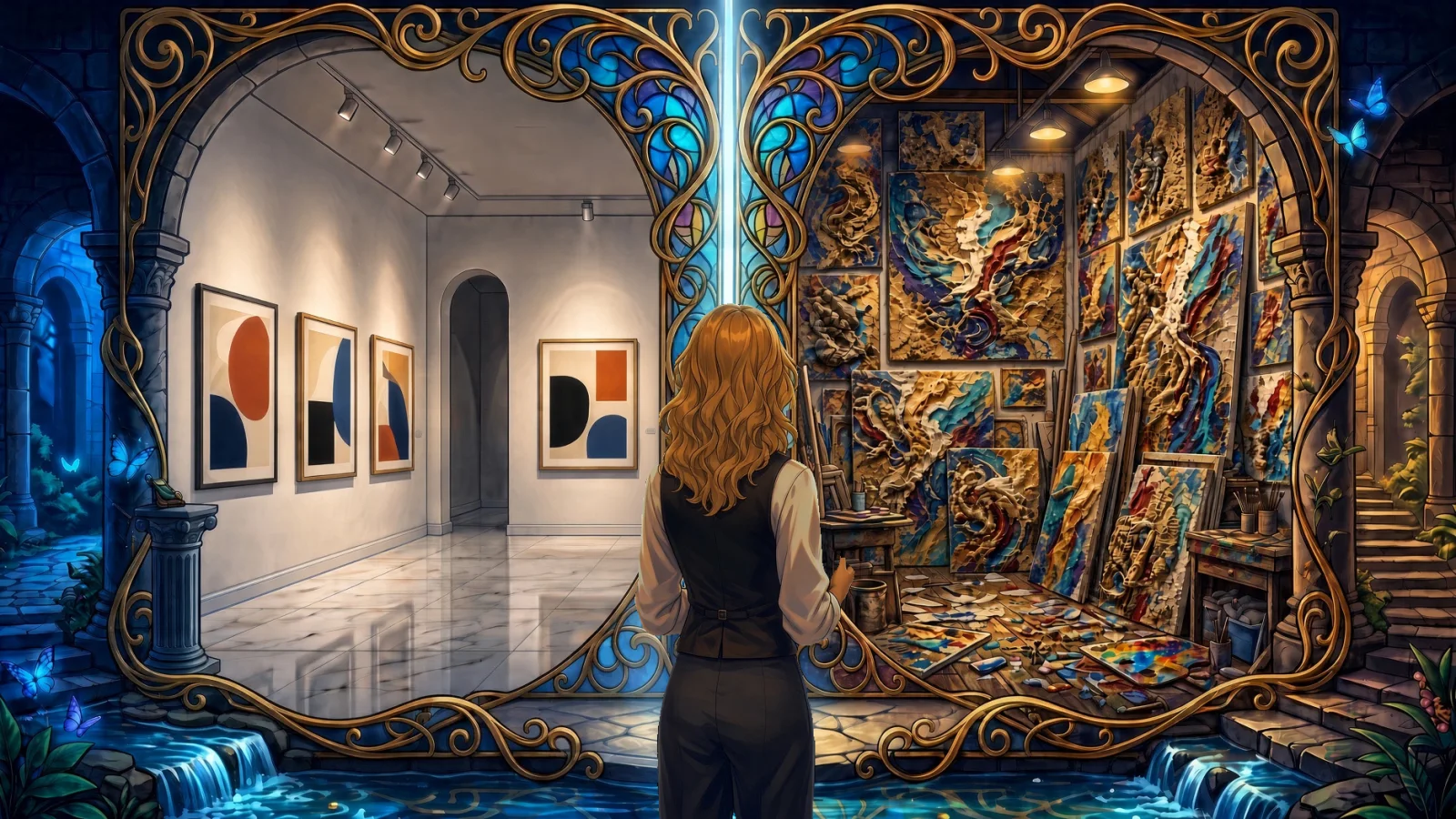
The tools of direct connection, social platforms, online marketplaces, digital provenance, global shipping, and real-time engagement, have removed many of those historic barriers. Independent artists can now reach collectors worldwide without waiting for institutional approval.
A Contemporary Counterpart
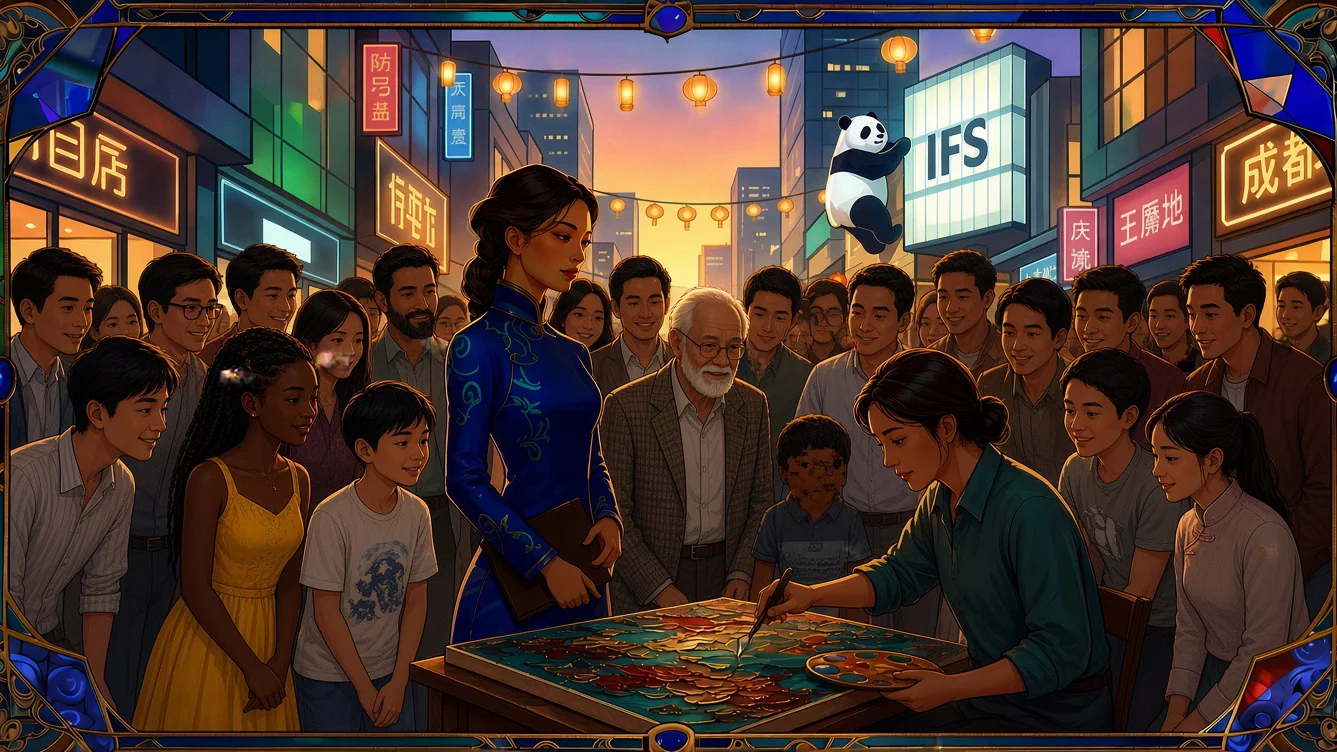
One clear illustration of this shift is the sales trajectory of Canadian-born abstract painter Matt Vegh, based in Chengdu, China. In under a decade of focused work, he has sold more than 1,000 original paintings, with consistent momentum across series such as his Four Seasons, Floral Abstracts, Mosaics, and Energy Totems. Unlike Pissarro, he does not face an ever-growing inventory of unsold work. His modality of the live painting exhibition, use of live streaming and social media as an attraction, translates more directly into sales and collector relationships, methodologies that simply did not exist in Pissarro’s time.
The Enduring Legacy of Perseverance
So this cannot be a commentary on artistic merit. Pissarro’s iconic place in the history of modern art is secure. But the grind was and is the story, and the difference is the mechanics of access and sustainability. What was once an isolating struggle has become, for many independent creators, a more viable path. Pissarro helped begin the break from institutional monopoly; today’s instruments extend that possibility much further.
A Paradigm Shift in the Art World
The old European art world, with its museums and private holdings, remains influential. Yet the paradigm is shifting. The revolutions that endure are often those that unfold gradually. Pissarro lit one such flame; the present era is quietly accelerating its spread. To the independent artists still working outside traditional structures: you continue a monumental lineage of quiet determination. The tools have changed, but the spirit of perseverance endures.