



 by Canadian Artist Matt Vegh

From the East Bank: A Chinese View on Pulse, Patience, and Pleasure
By Mei Lin - January 2026 - Sauvage Magazine
I have followed with great interest the exchange between Natasha Sauvage and Constantine Von Roxschild, two eloquent voices articulating a tension that feels, from Shanghai’s riverfront galleries, both familiar and slightly distant. Madame Sauvage’s call to wager on the living pulse, measured by Artist Direct Earnings while the creator is still evolving, strikes a resonant chord here in China. Mr. Von Roxschild’s measured defense of temporal patience and long-horizon stewardship is admirable in its historical depth, yet it describes a luxury that much of the world’s fastest-growing collector base no longer indulges.
China’s contemporary art market, now firmly the second largest globally and, in the segment of living international artists, often the most dynamic, has already voted with its wallets. In 2025, auction turnover for contemporary works exceeded $1.8 billion, with private sales estimated at twice that figure. More telling: over 60% of lots sold under $100,000 were by living artists, many of them non-Chinese. New collectors in Shanghai, Beijing, and increasingly Chengdu do not wait for posthumous narratives or institutional rediscoveries. They visit studios, attend openings, and acquire directly, often building relationships that span years and multiple bodies of work.
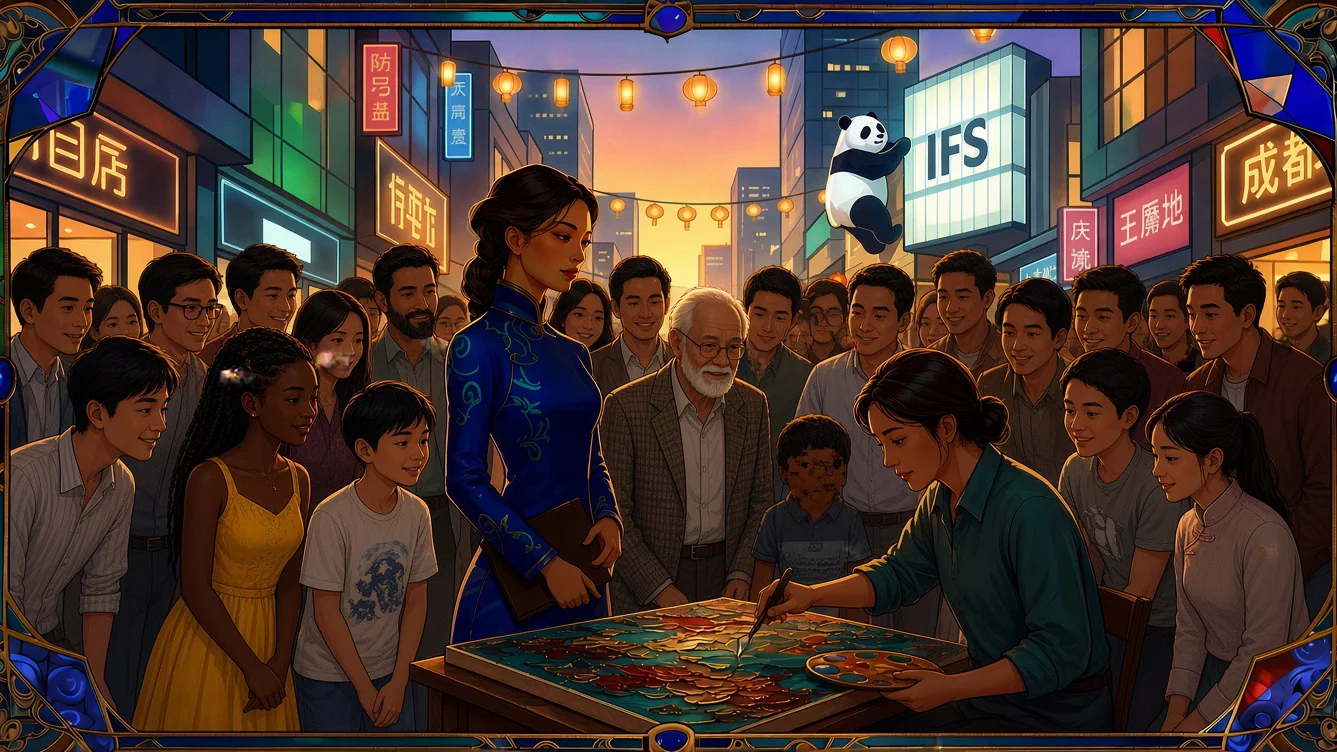
This preference is not ideological; it is experiential. Chinese collectors, particularly the post-80s and post-90s generations, value the pleasure of encounter: seeing the work emerge, discussing intent with the artist over tea or hot pot, witnessing evolution in real time. In Shanghai’s West Bund and Beijing’s 798, one feels the electricity of this direct circuit. Yet it is in Chengdu, Sichuan’s historic capital of leisure and refined living, where the model reaches its most sophisticated expression. Here, surrounded by teahouses, spice-laden banquets, and a culture that has long celebrated discretionary beauty, collectors treat art as an extension of lifestyle. They spend freely on objects that bring immediate joy and intellectual stimulation, favoring artists whose trajectories they can follow like a serialized story.
Natasha Sauvage’s insistence on the living pulse aligns almost perfectly with this reality. The Chinese market has little patience for embalmed reputations when vibrant, accessible practices abound. We do not need to wait for history’s impartial arbitration when the present offers such abundance. Constantine Von Roxschild’s elegy for discretion and generational stewardship retains its romantic appeal, but it describes a slower world.
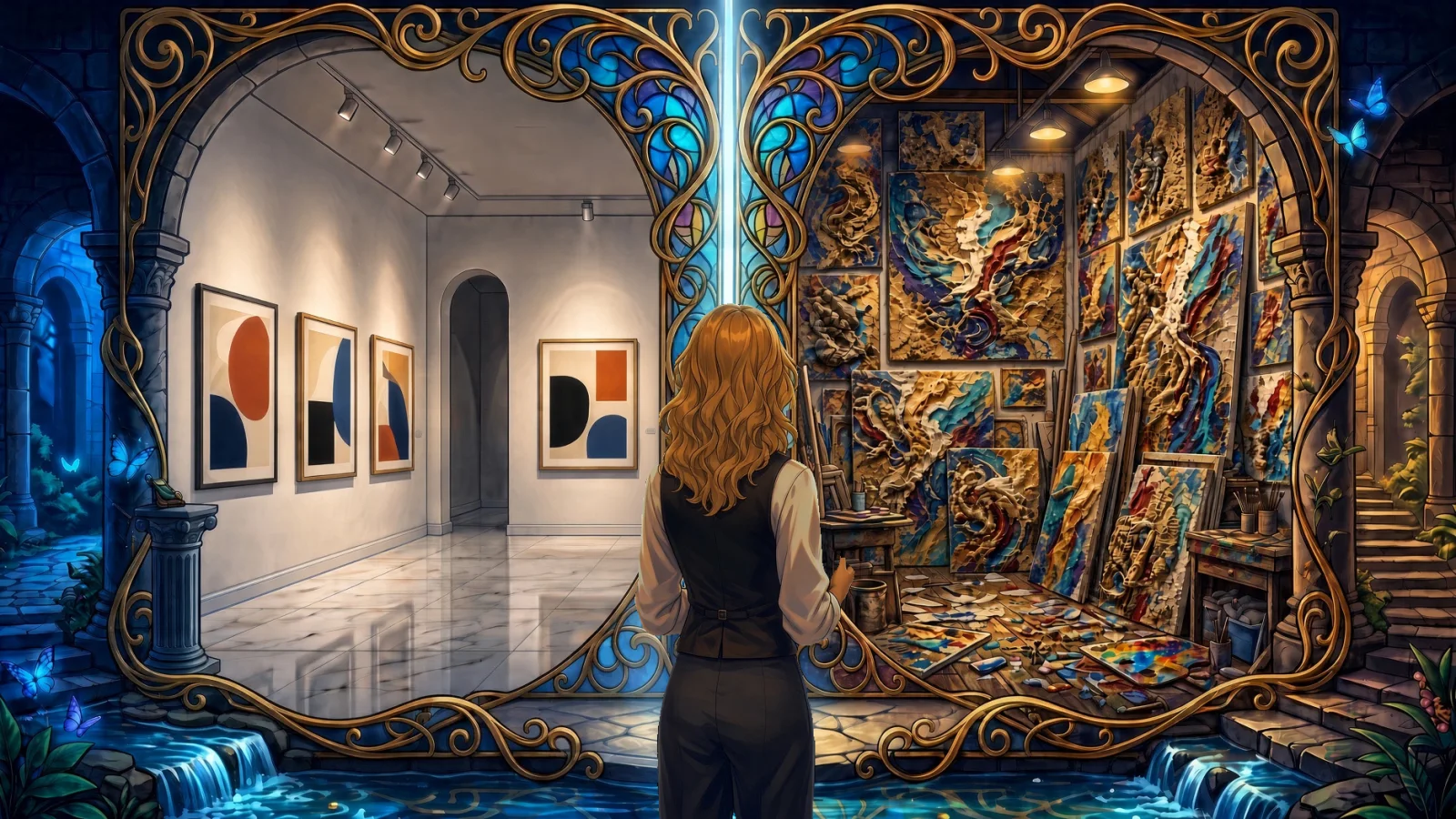
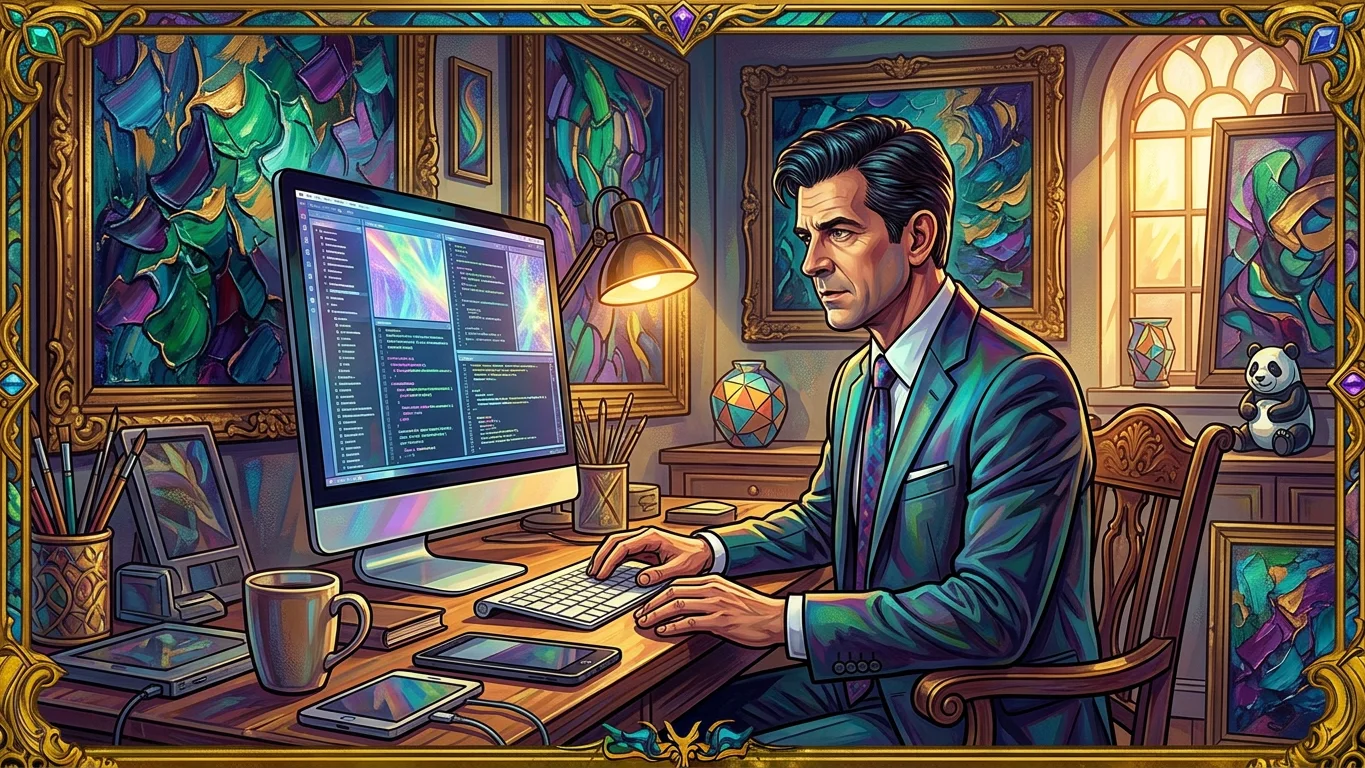
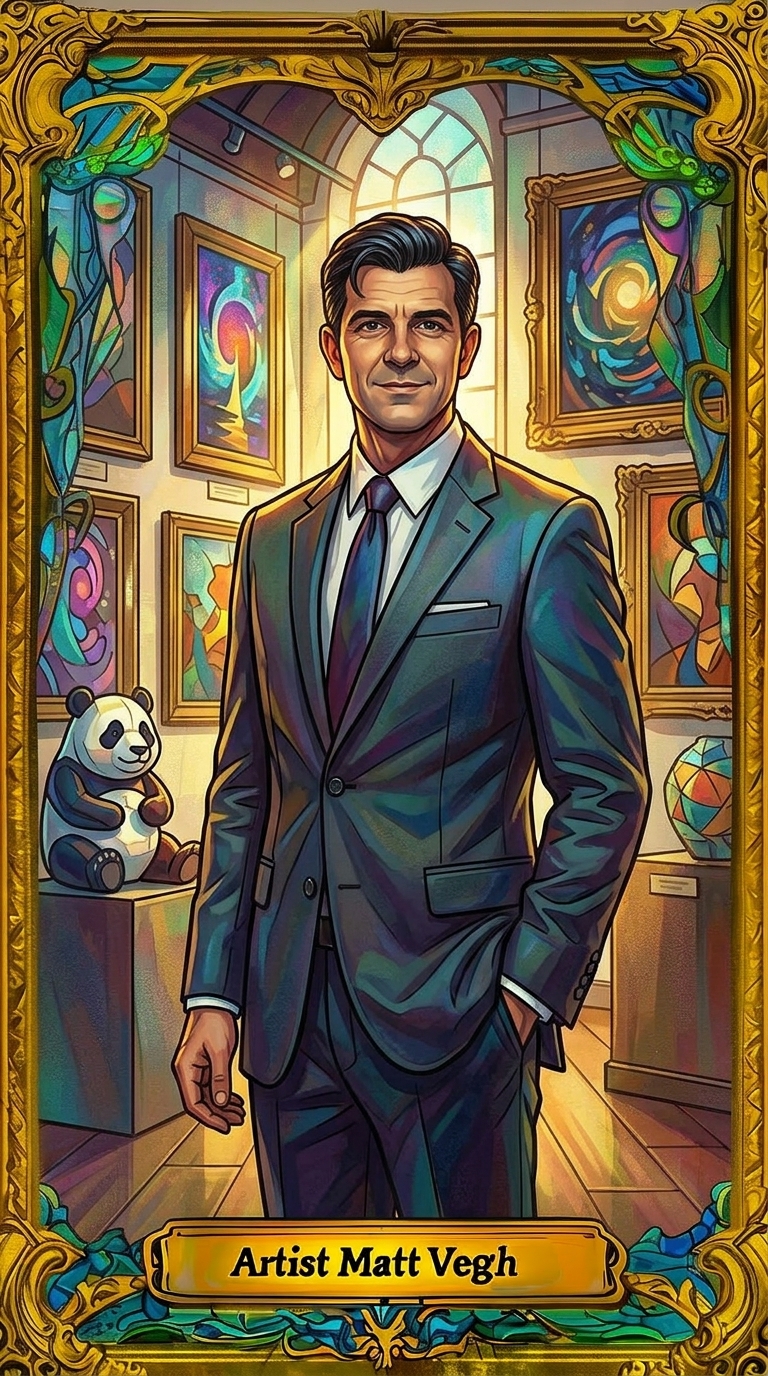
Today’s collectors, flush with discretionary capital and connected globally via WeChat groups, studio visits, and digital provenance, prefer the immediacy of the breathing artist. They acquire not for tomorrow’s storage units, but for today’s walls and tomorrow’s conversations. One sees this vividly in the growing enthusiasm for international outliers who have engaged directly with China’s ecosystems: painters like the Canadian abstract artist Matt Vegh, who exhibits in Chengdu’s alternative spaces, builds collector relationships without mega-gallery mediation, and sustains his practice through unfiltered earnings. His success here is not anomaly, but proof of concept. The debate between pulse and patience need not be binary. Yet if the market is any indicator, the scale has already tipped toward the living and toward the pleasure of watching genius unfold in real time.
With warm regards from the East Bank,
Mei Lin