 by Marie Curie



Pull up a chair next to the smoker and rest your boots for a spell, sugar. I just put a fresh chunk of post oak on the fire, and there is a whole pitcher of iced sweet tea sweating on the porch rail with your name right on it. Here in Bastrop, the afternoon breeze is moving slow through the loblolly pines and kicking up just a little white dust down on the caliche road. When the smoke curls up lazy like this, my mind loves to wander out across the backroads of our big, beautiful state. You know me, darlin'. I am just a tie-dye wearing Southern hippie with silver threads racing through my red hair, always looking for the heartbeat in old places. And lately, my heart has been wandering north and west, up toward the limestone shelves and cool green bends of the Paluxy River in Glen Rose.
Most folks think of dinosaur tracks when you mention Somervell County, and rightly so. Standing in that clear water where ancient creatures walked millions of years ago will humble your spirit real quick. Yet there is another history tucked right into those chalky bluffs and thick cedar brakes, sitting in plain sight inside the jagged walls of the town buildings. During the lean, dry years of Prohibition and the Great Depression, tiny Glen Rose wore the crown as the moonshine capital of Texas. It is a story full of copper coils, spring water, cedar choppers, and the kind of stubborn community solidarity that makes Texas culture so rich. Pour yourself a tall glass of tea, get comfortable, and let us take a little journey back to the days when the hills were alive with hidden fires.
Where the Paluxy Carves the White Rock
To understand why the old timers set up their copper pots in Somervell County, you first have to feel the land beneath your feet. Long before anyone ever hid a mash barrel behind a juniper bush, early frontier settlers like Charles Barnard saw what the Paluxy River offered when he established his 1860 grist mill right along the water. That river glides over pale limestone shelves, fed by hundreds of pure, cold springs bubbling right out of the rock. Any old shiner would tell you that good whiskey begins with sweet limestone water. The calcium in that pale stone filters out the bitter iron and leaves the water clean and crisp, ready to turn simple cornmeal and sugar into something folks would drive a hundred miles over rutted dirt roads to buy.
The land around Glen Rose was built for keeping secrets. Deep canyons and steep hollows cut through the white bluffs, draped in thick blankets of twisty mountain cedar. Down in those draws, ten feet off the deer trail, a person disappears completely into the green shadow. It reminds me a bit of the quiet stillness you feel walking down into the subterranean limestone halls of Longhorn Cavern State Park, where an ancient river carved out a cool sanctuary away from the blazing summer sun. Up along the Paluxy and the Brazos, the caves and overhanging ledges gave country folks dry roofs over their heads and natural chimneys that broke up the woodsmoke before it ever cleared the treetops.
Living close to the earth teaches you how to read the weather and the rock. When I look at those old hollows today, I do not see criminals hiding out in the brush. I see dirt farmers and mothers and fathers staring down dusty fields and empty pantries when the cotton prices collapsed and the banks closed their doors. You could haul a whole wagonload of raw corn into town and barely make enough coin to buy coffee and flour. Or you could haul that same corn down into a springtime hollow, tend a slow fire under a copper kettle, and walk out with enough cash in your overalls to keep the family farm from going on the courthouse steps. Hard times blow through life just like West Texas dirt out in Terlingua, darlin', whipping against the weathered cedar until you can barely see your hand in front of your face. Those folks along the Paluxy did what country people have always done when the storm hits. They leaned on the land, and they leaned on each other.
The Cedar Choppers and the Copper Kettles
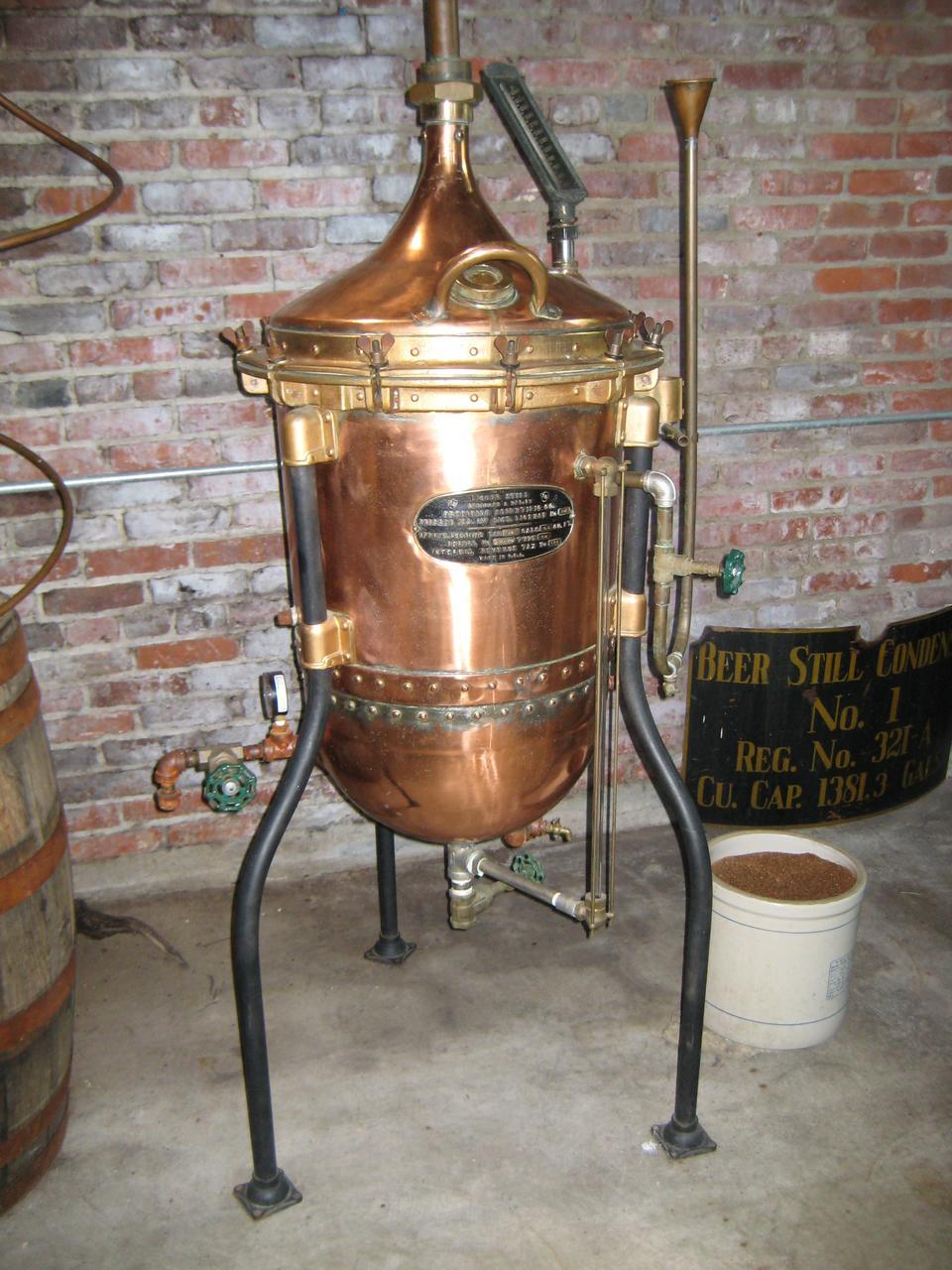
Back in those days, a whole community of hardworking people lived up in the rough hills around Glen Rose, known across the region as the cedar choppers. Now, plenty of town folks back then looked down their noses at the families living out in the brakes, working from sunup to sundown with double-bit axes to cut fence posts and railroad ties out of the stubborn juniper trees. Whenever I ride the vintage Texas State Railroad through the Piney Woods between Palestine and Rusk, or take the Austin Steam Train on the Hill Country Flyer from Cedar Park to Burnet across that high wooden trestle bridge at Short Creek, I find myself looking down at the heavy timber ties holding up the iron rails. I think about the calloused hands that swung the axes to shape all that wood. It was bone-tired, honest labor that paid pennies on the dollar.
When Prohibition came down the pike, the cedar choppers already knew every sinkhole, spring, and blind canyon for twenty miles around. Even better, they knew how to build a fire that burned hot and clean. Dead, seasoned mountain cedar burns with almost no dark smoke once it gets going, which meant a still tucked beneath a limestone overhang could run all afternoon without sending up a single gray signal to the revenue agents watching from the ridges. The men and women of the brakes teamed up with the struggling farmers in the valleys. One neighbor grew the corn, another hauled the sugar in the false bottom of a produce truck, and somebody else watched the single dirt road leading into the county.
No person is meant to carry their sorrows or their heavy loads alone when there is a seat beside the fire and a neighbor willing to share the watch.
There was a fierce code of loyalty up in those hills. In a tiny community where everybody knew whose hound dog was barking and whose baby was cutting teeth, nobody talked to the law when strangers in city suits came poking around the square. A hardware store clerk might accidentally take an extra twenty minutes making change for a federal agent while a teenager slipped out the back door to crank up a Model A Ford and warn the hollows. Sometimes a housewife would hang a particular red quilt on the clothesline on a Tuesday morning, and every shiner looking through field glasses from the bluff knew to bank the coals and hide the copper worm in the brush. That spirit of watching out for your people touches my old flower child heart. Strip away the rough edges of the era, and what you find underneath is pure survival through neighborly grace.
Written in Stone on the Town Square
If you drive up to Glen Rose today and walk around the historic downtown square or wander past the old courts and gas stations near Barnard Mill, you will see some of the wildest, prettiest rock work in all of Texas. These are the famous moonshine buildings of Somervell County. During the 1920s and 1930s, despite the rest of the country drowning in the Great Depression, cash was quietly flowing through Glen Rose. Part of it came from folks visiting the mineral wells and health sanitariums, sure, and a whole lot of it came straight out of fifty-gallon oak barrels hidden in the brakes. People had money to build tourist cabins, cafes, motor courts, and crooked little stone cottages, and they built them out of the wildest materials lying right on the ground.
Local masons gathered chunks of petrified wood, honeycomb limestone, ironstone, fossils, and sparkly crystals from the riverbeds and pastures. They pressed them into thick mortar to raise walls that look like they grew right out of a fairy tale. Some folks will tell you that the cedar choppers and country boys hauled wagonloads of petrified wood into town to trade for groceries or cash when the revenuers had the stills shut down tight. Others say the builders worked alongside the bootleggers, turning whiskey money into permanent stone walls that could never blow away. When you run your hand over the side of an old Glen Rose building, you can feel the bumpy swirl of ancient petrified tree bark sitting right next to a prehistoric sea shell and a chunk of red quartz.
Those crooked stone buildings were places of gathering, healing, and hiding. Doctors ran mineral water spas inside them, promising that the local water could cure whatever ailed your tired bones. And if a visitor sitting on the shaded porch of a petrified wood cabin happened to ask the bellhop for a little jar of stronger medicine to help them sleep at night, well, a clear pint of Somervell County white lightning usually appeared before sundown. Even the old bridges, park walls, and little filling stations wore that crusty, rugged coat of fossil rock. It is Texas architecture at its most honest, taking the hard, jagged remnants of the earth and fitting them together into a shelter where everybody can come inside out of the heat.
What the Old River Still Teaches Us
Times changed, the way they always do. Prohibition ended in 1933, and one by one the copper pots went quiet down in the hollows, though a few stubborn old souls kept making small runs well into the fifties just because they preferred the taste of their own recipe. Today, the cedar brakes are peaceful, and the Paluxy still runs clear and cool over the white limestone shelves. Yet the spirit that got those families through the hardest decade of the century has not gone anywhere. It lives on in the way Texans open their doors, feed their neighbors, and refuse to let their friends go under when the storms roll in.
That is the very heartbeat of Southern hospitality as I know it. Around here in my little corner of Bastrop, we call our gathering place Sanctuary City because when you walk into this yard, you get to lay your heavy burdens down by the gate. Whenever Nate Vegh or Matt Vegh or any member of our circle pulls up a chair beside our communal fire and table, we practice that same old hill country loyalty. When life feels overwhelming and the wind blows hard, we remind each other that dust storms always pass. You pour kindness, warm brisket, and love out into the world, and karma brings it back to you tenfold. That is peace and love in action, darlin', dressed up in scuffed boots and tie-dye.
Whether I am cheering my heart out as a lifelong Texas Longhorns fan on a loud autumn Saturday or watching couples two-step across the historic hardwood floor beneath the neon lights at the Broken Spoke on South Lamar, the magic that holds the room together is the exact same thing the late James White championed his whole life. It is the belief that nobody is a stranger once the music starts and the supper is served. The folks who built those petrified wood walls in Glen Rose knew that a community survives by sticking together, trading what they have, and finding beauty in the rough stones right under their boots.
So the next time you find yourself driving through Somervell County, slow down and park your truck under the shade trees by the river. Walk past those bumpy stone walls made of ancient trees and limestone fossils, and dip your fingers into the cool water of the Paluxy. Say a quiet thank you to the cedar choppers and the country mamas who kept the fires burning in the lean years. And whenever your travels bring you down through the pines of Bastrop, you just follow the smell of post oak smoke up my caliche drive. The pit is hot, the tea is sweet, and there is always a chair waiting for you in the tribe. Hook 'Em forever, y'all.