


 by Canadian Artist Matt Vegh

The Intimacy of Art During Festive Times
In the soft light of Chengdu Spring Festival in the ballroom of the elegantly designed Mu Mian Boutique Hotel, a venue rich in cultural heritage, a small table becomes a quiet universe. The artist, sleeves rolled up, leans forward with gentle focus, writing a personal note on the back of one of the tiny Hongbao works he has prepared for the occasion. Beside him stands a young mother with her little daughter. The girl, eyes wide with anticipation, watches with her small hand resting on the table near the growing stack of finished paintings, each one a burst of color waiting to be given. There is no rush, no crowd, no performance, just the simple magic of a moment where art is shared person to person. The relaxed setting; open windows, green plants, wooden tables, feels like a breath of calm amid the holiday bustle and a reminder that the most meaningful connections often happen at the smallest scale.
The Gift of Hongbao Paintings
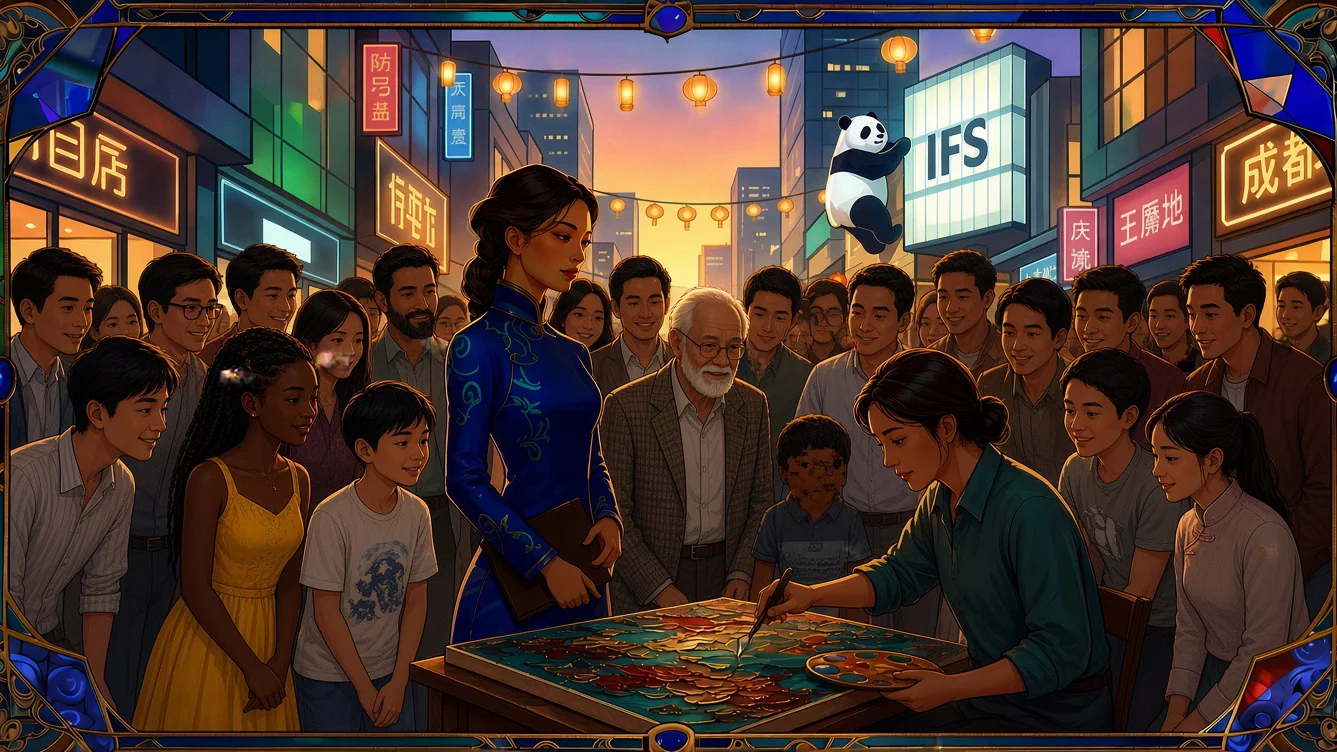
During the Lunar New Year season in Chengdu, a quiet gesture unfolded that felt both timeless and urgently needed in today’s art world. Small original paintings, much like the traditional red envelope, were given freely to children and seniors (guests and visitors to his Zodiac Legacy Art Exhibition) as Hongbao gifts by Canadian artist Matt Vegh. These were not reproductions or tokens. They were genuine works, created with the same care that defines the artist’s larger practice, and offered simply as a way to share warmth, luck, and beauty during the holiday. This act of giving Hongbao paintings is more than a charming custom. It is a deliberate return to art at a human, intimate scale.
A Radical Shift in Perspective
In an era when so much contemporary work is engineered for spectacle; oversized installations built for Instagram feeds, biennale pieces designed for streaming audiences, or large-scale commissions that serve as backdrops for luxury events, this small, personal exchange feels quietly radical. The paintings were held in hands, passed between generations, looked at closely in the light of a family gathering. No gallery lighting, no curatorial text, no need for explanation. Just the quiet magic of a physical object carrying the artist’s touch into someone’s life.
The Cultural Weight of Tradition
In China, the Hongbao tradition is already rich with meaning: a red envelope filled with money symbolizes prosperity, care, and good fortune, especially across generations. Replacing currency with a small original painting elevates the ritual without changing its spirit. The recipient receives not only a gift, but a piece of someone’s creative heart; something that can be kept, looked at again and again, and remembered long after the holiday ends. This kind of exchange reminds us that art can still function as a bridge between people, not just between markets.
A Journey of Cultural Synthesis
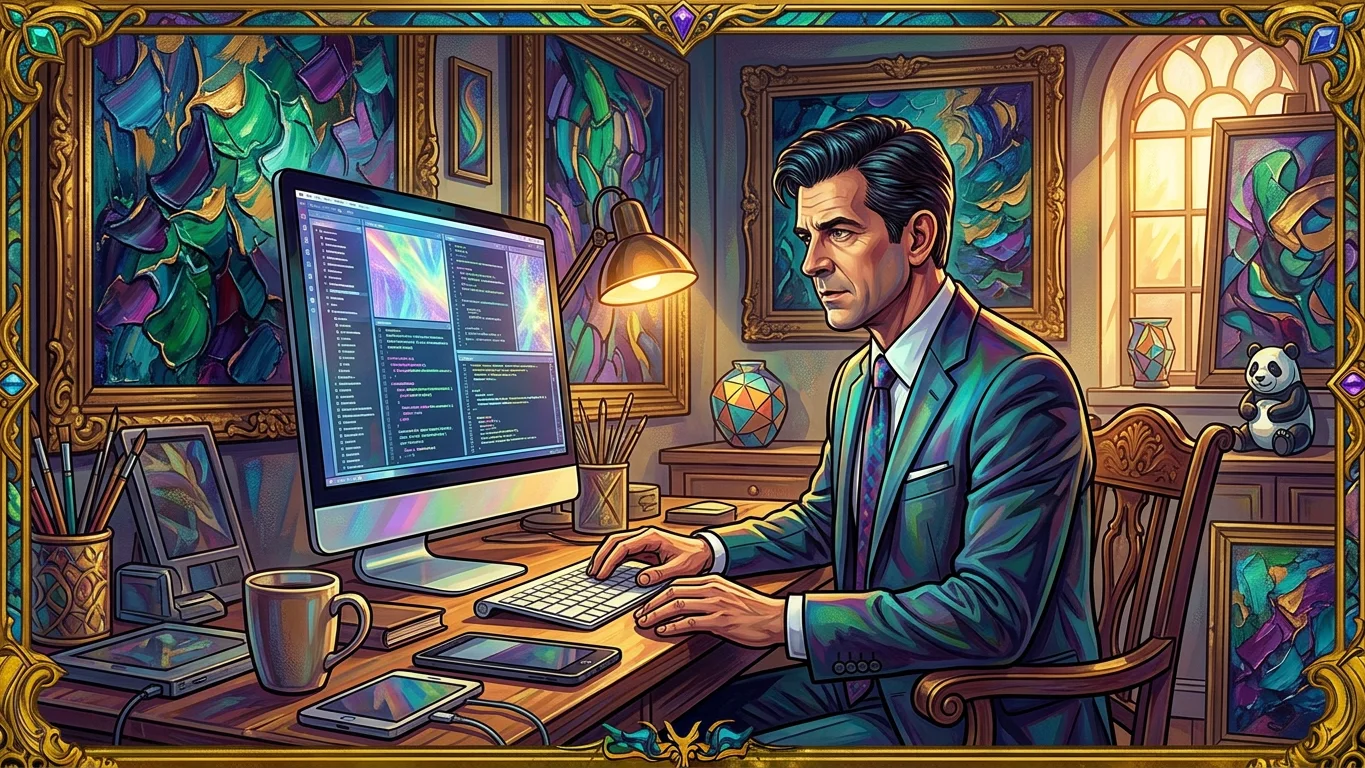
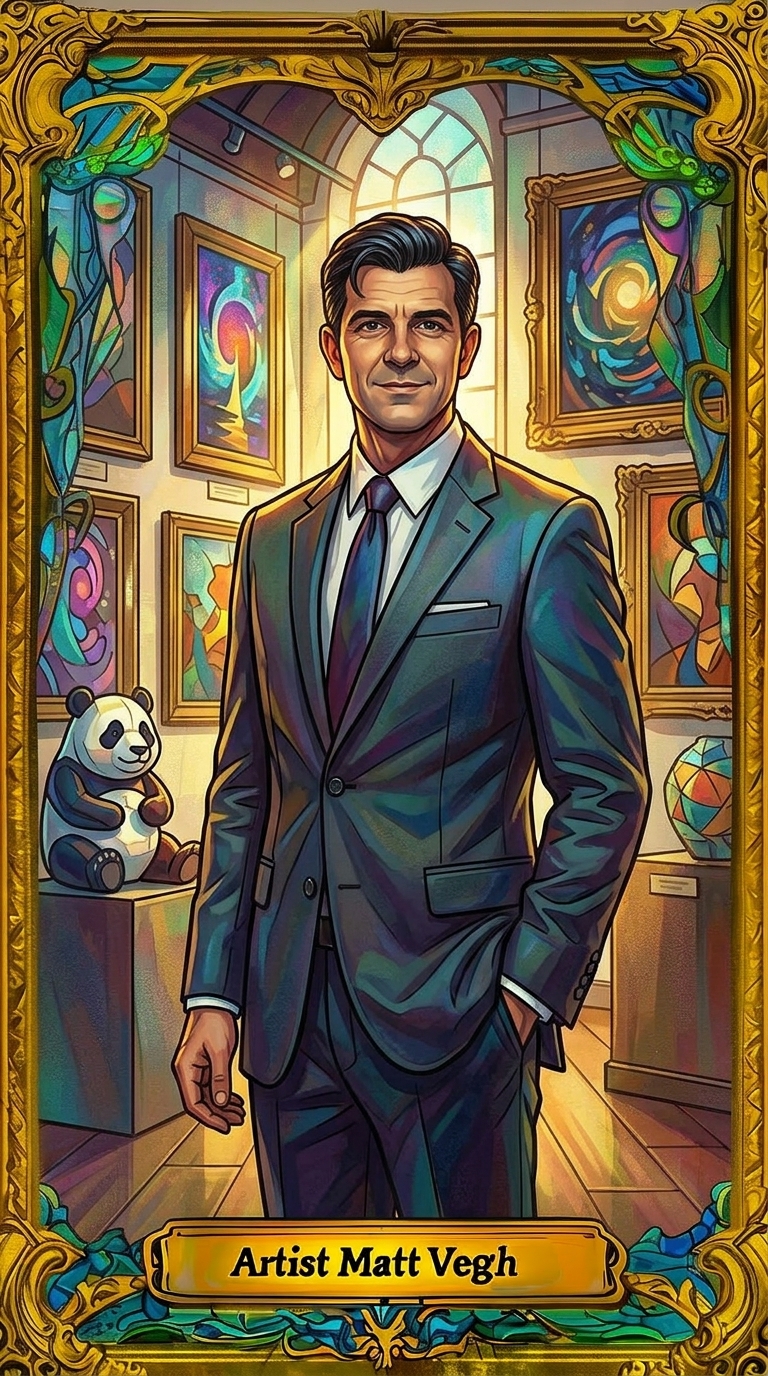
The artist behind this gesture has spent more than two decades living and working between Canada and Chengdu, weaving together Western abstraction and Eastern symbolism in a practice that honors both cultures. His decision to give Hongbao paintings is a natural extension of that journey: a small, sincere act of cultural respect that deepens his roots in the community he has called home for decades. By participating in the traditions of the place, he shows that exchange can be reciprocal, heartfelt, and deeply meaningful. The small works become ambassadors of mutual respect; tiny proofs that art can speak across borders without needing translation or justification.
Conclusion: Art as a Means of Connection
In a global art scene increasingly dominated by large-scale, media-driven events, this return to intimacy matters. It reminds collectors, viewers, and artists alike that the most powerful encounters with art often happen at the smallest scale: one person holding a painting, feeling its texture, seeing its colors shift in natural light, sharing it with family. These moments do not go viral. They do not generate headlines. But they do something far more enduring: they create memories, build relationships, and keep art connected to the human heart.
The future of meaningful collecting may lie not in louder spectacles, but in quieter gestures like this. A small painting given with sincerity can carry more weight than any biennale installation. It reminds us that art’s deepest power is still found in the personal, the tactile, the shared moment; where beauty needs no stage, only a hand to hold it.