
In the shadowy realms of modern industry and national defense, few elements pack as much quiet power as antimony, the unsung hero bridging the worlds of batteries and bullets. This lustrous, brittle metalloid hardens lead alloys to create durable, high performance ammunition that withstands the rigors of combat, while simultaneously enhancing the grids of lead-acid batteries that power vehicles, backup systems, and emerging grid-scale energy storage solutions. As demand surges for flame-retardant materials in electronics, advanced munitions amid geopolitical tensions, and next-generation technologies like liquid metal batteries for renewable energy grids, antimony's strategic role has never been more critical. Often overlooked on the periodic table, this critical mineral ignites innovation across defense readiness and the clean energy transition, proving that true game-changers don't always shout but they quietly strengthen the foundations of progress.
What is Antimony?
Antimony (chemical symbol Sb) is a metalloid characterized by its silvery-white appearance. Historically, it has been utilized for a wide array of applications, dating back to ancient civilizations, where it was used in cosmetics and medicine. Today, antimony’s unique properties make it invaluable in various modern industrial applications.
Why is Antimony Special?
- Enhances Performance: It is primarily known for its role in producing flame-retardant materials and improving the mechanical properties of alloys and batteries.
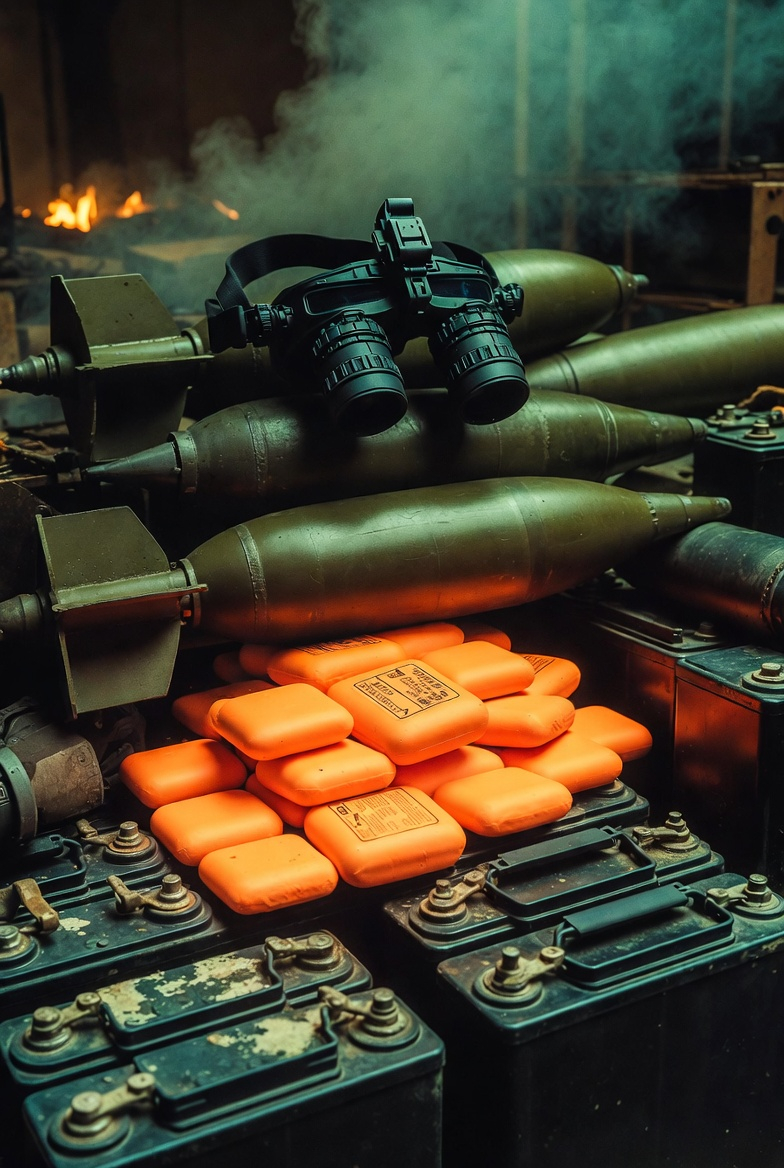
- Defense Applications: Antimony is essential in military applications, especially in armor-piercing ammunition, night-vision goggles and explosives.
How and Where is Antimony Mined?
Antimony is mainly sourced from its principal ore, stibnite (Sb₂S₃), through both primary mining and reprocessing of tailings from other mines.
Top 3 Producing Countries and Companies
- China: Dominating the market, it accounts for nearly 80% of global production, with companies like Huachang Antimony Industry leading the way. Recently China was in the news when it was revealed that Canada's primary antimony mine, Beaver Brook Antimony Mine in Newfoundland, is Chinese owned and it stopped mining operations in 2023 as China began export restrictions to U.S. military end-users.
- Russia: Home to several antimony mines, contributing roughly 8% to global supply.
- Tajikistan: Another significant producer, Tajikistan has been ramping up its output in recent years.
How is Antimony Refined?
Refining antimony typically involves:
- Crushing the Ore: The stibnite ore is crushed and ground into a powder.
- Flotation Process: Chemicals are used to separate antimony from the ore via flotation.
- Roasting: The extracted material is roasted to convert the sulfur into sulfur dioxide, leaving behind antimony oxide, which is further processed into metallic antimony.
Current Supply/Demand Balance in 2026 and Next 10 Years
Looking ahead, the antimony market faces significant challenges:
- Growing Demand: The global antimony market is poised to grow from $1.23 billion in 2024 to nearly $2.18 billion by 2033, driven largely by increasing demand in flame-retardant materials and lead-acid batteries.
- Supply Issues: Tightening geopolitical tensions and environmental regulations could squeeze supply. Restrictions on Chinese production have already led to shortages and increased prices.
Primary Uses for Antimony
- Flame Retardants: Approximately 90% of antimony consumption is for flame retardants used in electronics, textiles, and construction materials.
- Lead-Acid Batteries: Antimony enhances the performance and longevity of lead-acid battery grids, currently accounting for about 85% of all lead-acid batteries produced globally.
- Defense: Used extensively in military-grade applications, including armor-piercing ammunition, night-vision goggles and artillery shells.
Why is Antimony Considered a Strategic Metal?
Antimony is classified as a strategic metal due to its limited domestic sources and critical role in various industries, particularly defense and energy. As the U.S. becomes increasingly reliant on external suppliers, antimony’s strategic importance cannot be overstated.
Impact of Supply Constraints
If new sources of antimony aren't identified:
- Rising Costs: The price of antimony could skyrocket, potentially affecting numerous industries reliant on it. Current prices are already fluctuating significantly due to supply uncertainties.
- Technological Stagnation: Industries could face setbacks, affecting advancements in safety standards and renewable energy technologies.
Substitutes for Antimony
While some flame retardants can use halogens as substitutes, these often raise environmental and health concerns. Although no direct substitutes for antimony offer identical benefits, alternative materials such as aluminum or magnesium alloys are being explored.
Trends in Recycling Antimony
Recycling antimony presents an avenue for supplementing supply without the environmental cost of new mining. Efforts to convert secondary sources through recycling are gradually increasing, aiming to recover antimony from used products such as batteries.
Conclusion
As the world hurtles toward an era defined by resilient energy systems and heightened geopolitical realities, antimony stands poised to ignite even greater waves of innovation. Its indispensible role in fortifying bullets for modern munitions and enhancing the durability of lead-acid batteries ensures this metalloid remains a quiet cornerstone of both defense readiness and the clean energy transition. With global demand projected to drive the market to over $2 billion by the mid-2030s amid surging needs in solar photovoltaics, advanced electronics, and strategic military applications, antimony's strategic scarcity only amplifies its value. Far from fading into obscurity, this unsung hero will continue strengthening the literal and figurative firepower of progress, proving that the most transformative elements often work their magic behind the scenes: quietly, reliably and indispensably.
If it can't be grown then it has to be mined.