
The Importance of Critical Minerals
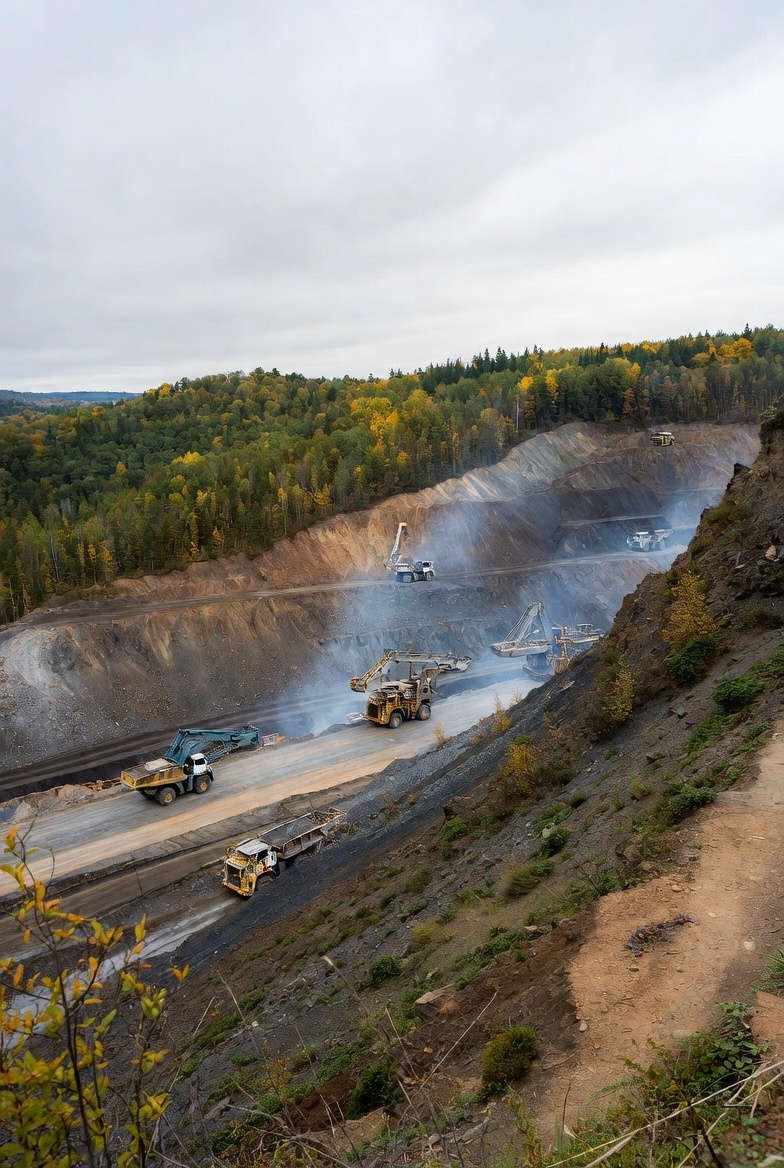
In an era where lithium, rare earths, copper, and other critical minerals power defense, clean energy, AI, and manufacturing, America finds itself grappling with severe shortages. The near-total dependence on foreign supply chains, particularly from China, poses not just an economic vulnerability but a significant threat to national security. The National Environmental Policy Act (NEPA), the 1970 green safeguard law, has long serverd as a gatekeeper, imposing exhaustive reviews that drag mining permits to 7-10 years (and full development often to nearly 30 years!), chilling investment and leaving vast U.S. resources untapped.
The Role of NEPA
Established in 1970, NEPA has been a cornerstone of environmental policy legislation in the U.S. requiring federal agencies to assess the environmental impacts of major actions, including mining projects. It mandates that major projects complete Environmental Assessments (EAs) or Environmental Impact Statements (EISs) to evaluate potential effects on air quality, water resources, and surrounding communities. However, while it aims to safeguard the environment, the extensive documentation and review in NEPA has devolved into a bureaucratic quagmire that stifles exploration and investment and can lead to significant delays in permitting.
Brief History of NEPA
Many adminstrations have issued executive orders to implement changes to NEPA over time. Nixon created the Council on Environmental Quality (CEQ) and required environmental impact assessments for major federal actions. Carter authorized CEQs to issue binding, comprehensive regulations. Courts began to expand cumulative impacts and alternatives, and adminstrative agencies began to create their own procedures and introduced further bureaucratic red tape and delays. During Trump's first adminstration, the process to streamline regulations began with limits to "reasonably foreseeable" effects and reduced timelines to complete regulatory review.
The Biden administration prioritized reversing Trump-era environmental rollbacks, including the 2020 NEPA revisions that streamlined reviews but were criticized for weakening protections. He emphasized new priorities like climate action and environmental justice. In 2022 he reinstated requirements for analyzing cumulative and indirect effects, clarified that agencies could adopt procedures exceeding CEQ minimums and allowed broader consideration of environmental goals while advancing Biden priorities. Overall, Biden's changes emphasized science-based, inclusive decision-making to tackle climate and equity issues, contrasting Trump's focus on deregulation.
Most the Biden era changes were rescinded by Trump in 2025-2026 to return back to a focus on deregulation and streamlining the permit process.
Historical Challenges and Roadblocks
- Lengthy Review Processes: NEPA's exhaustive requirements can stretch the permitting timeline to seven to ten years, and in some cases, full development to bring a mine online can take almost 30 years. In stark contrast, countries like Canada and Australia streamline their review processes to mere years, sometimes as short as two years. Such delays can make American projects less competitive and more prone to obsolescence as mining technologies advance.
- Legal Challenges: The threat of litigation looms large over most projects. Regulations under NEPA have frequently led to lawsuits and administrative roadblocks. Projects that meet all the regulatory requirements often face legal challenges from environmental group and special interest organizations, extending review timelines indefinitely. High-profile cases like Pebble Mine in Alaska and Resolution Copper in Arizona have faced more than a decade of delays primarily due to NEPA-related lawsuits and public opposition.
- Community Opposition: The legacy of mining pollution and environmental degradation which led to the historic NEPA law has bred skepticism within communities, particularly indigenous populations. This has fueled a vigorous "Not In My Backyard" (NIMBY) sentiment, complicating project approvals and local stakeholder engagement.
The Evolution of NEPA in 2025-2026
Recent years have seen a shift towards reform. With amendments proposed in 2025, changes such as rescinding specific CEQ rules and streamlining procedures from the Interior Department aim to cut red tape without compromising environmental integrity. Legislative initiative like the Standardizing Permitting and Expediting Economic Development (SPEED) Act endeavors to create statutory timelines for reviews, offering a more predictable landscape for project developers without sacrificing environmental protections.
The audacious Project Vault initiative, officially known as the U.S. Strategic Critical Minerals Reserve, which commits $12 billion for a strategic mineral reserve, exemplifies a bold approach to bolster U.S. mineral capabilities and emphasizing the need for a strong and resilient domestic mineral supply chain. These reforms signal a recognition of the pressing necessity to extract our own resources responsibly. The core goals of Project Vault are to reduce foreign dependence, strengthen domestic industry, mitigate volatility, and enhance security by centralizing storage to make stockpiling more affordable and efficient.
The Path Forward
For the U.S. to reclaim its position as a leader in critical minerals, several targeted updates to NEPA are crucial:
- Introduce Statutory Timelines: By establishing clear timeframes for reviews, developers can gain certainty and invest confidently in new projects. Fixed schedules like 18 months for full EISs on critical mineral projects would deter frivolous litigation by narrowing judicial review windows to 150 days post-decision. Per industry estimates this change could halve delays.
- Utilize Advanced Technology: By embracing technologies such as automated monitoring and AI, developers can streamline the review process, modernize reviews, enable real-time data collection with predictive modeling, enhance data accuracy, and reduce manual administrative burdens by 60-70%.
Conclusion: A Balancing Act
While NEPA serves vital functions in maintaining environmental protections, it faces urgent need for modernization. Balancing responsible mining initiatives like the SPEED Act with environmental stewardship is not only essential for bolstering the U.S. position in the global mineral market but also critical for securing the resources necessary for the clean energy transition, advanced technologies and national security. If NEPA continues to be a barrier to progress, it risks undermining the very green transitions it was designed to facilitate. The time has come for America to dig deeper, clear out the chokeholds of outdated processes and regulations, and once again claim its rightful place in the realm of critical minerals.
Remember, if it can't be grown then it must be mined.