






 by Zenna LoneStar
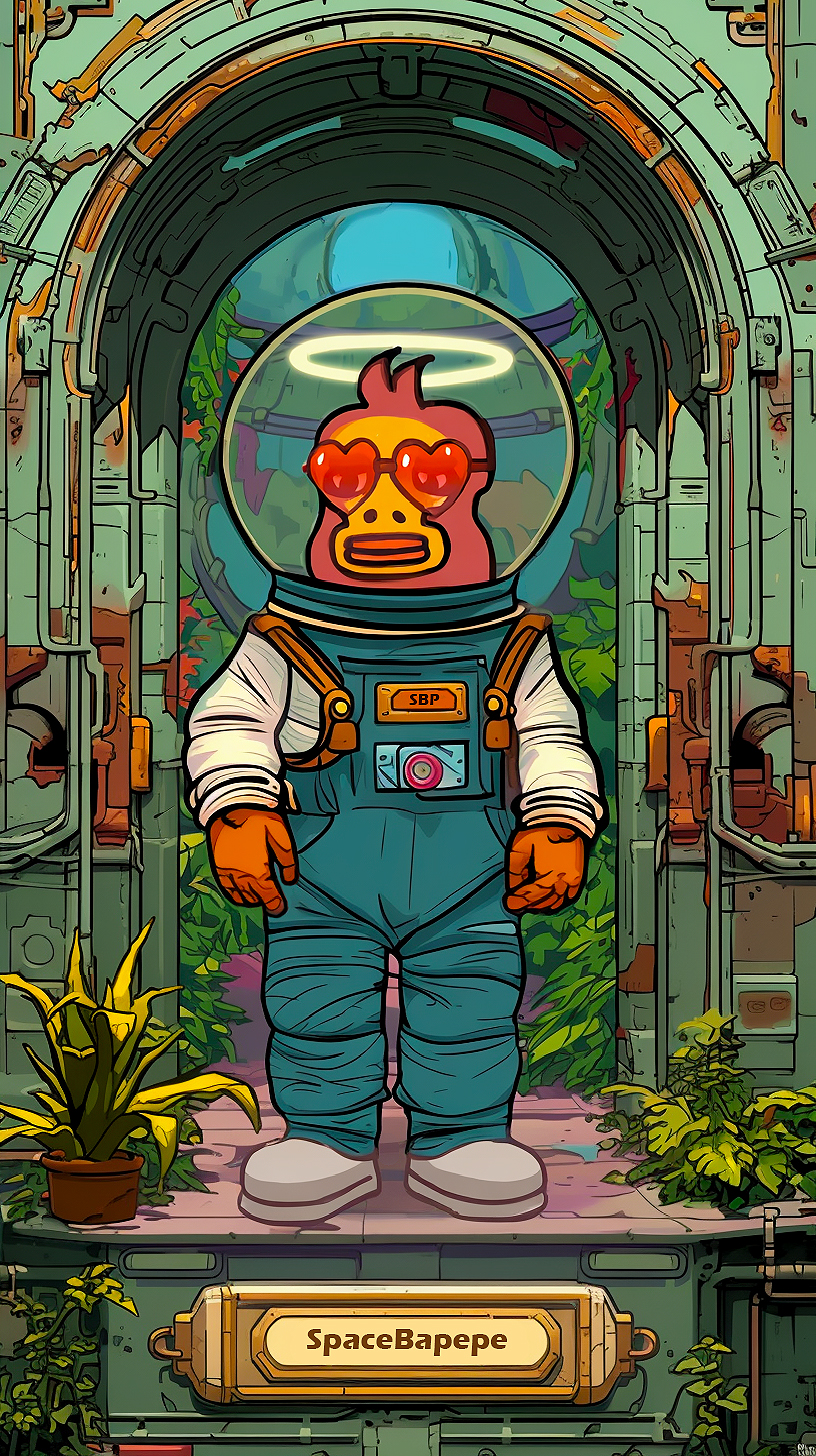 With SpaceBapepe
 Outmeme-ing the Degens
First off, I want to say that I like you. I like fun in the metaverse. But, let’s talk about something important.
I remember the exact moment in early 2021 when the easy-money wave hit the NFT space like a comet. The third round of U.S. stimulus payments: $1,400 per adult plus more for kids, started landing in bank accounts. Add that to the earlier rounds from 2020, and the government had sent out roughly $931 billion in direct cash to people. Kitchens turned into trading desks. Teachers, drivers, office workers and the perpetually unemployed, who had never touched crypto before, suddenly aped into NFT drops with fresh government money. Lockdown boredom plus free liquidity plus pure FOMO created the perfect storm.
This was the birth of the Stimmy Degen.
The Timing was so Obvious
These weren’t deep researchers studying roadmaps or long-term collectors looking for real utility. They bought because an influencer said “this is the next big thing,” because the chart was green, and because it felt like the people’s casino. They were chasing memes, narratives, and the dream of turning stimulus checks into generational wealth overnight. For a while, it worked spectacularly. NFT trading volume exploded. Projects minted out in minutes. Celebrity drops turned pixels into status symbols. The entire market cap soared past $17 billion. Marketplaces saw months with billions in volume. Discord servers swelled. Lambo talk was everywhere.
Then the music stopped. Interest rates went up. The stimulus faucet shut off. Macro reality came back. By late 2022 the euphoria evaporated. The broader NFT space contracted more than 90% from its highs. Many Stimmy Degens didn’t just lose money: they lost the story that kept them in the game. Wallets went dormant. Servers thinned out. What remains today in April 2026 is a smaller, quieter crowd still rotating between opportunities.
Playing the Same Game Today
But here is the part that keeps surprising me: the same low-hanging fruit mechanics are still being served up as big events. Right now, big virtual worlds are running egg hunts again. People hop around fancy biomes, find shiny eggs, collect little rewards for the weekend. Very nice on the surface! But we have seen this movie many times before. And it does not need hundreds of millions of dollars (or years of development) to pull off.
Over 3 years ago, the Confluence Universe was already running proper Easter-style egg hunts. Custom assets, real NFT prizes from their many collections, and actual prize mechanics so people could take home something meaningful. Not just a quick dopamine ping for a badge.
How much did it cost? Thousands of dollars. Not hundreds of millions from massive land sales or funding rounds. Just smart builders delivering fun on a realistic budget while experimenting with persistent virtual worlds. Great success!
Today, some big projects have huge war chests, advanced tools, AI features, concurrency tests, full world launches, and long roadmaps. Yet the headline community event is still an egg hunt. Same basic and super easy mechanics with holder math that makes no sense. Floor prices are down hard from the peaks. Daily volume is very low. Many holders are still bagholding, waiting for the promised utility to finally deliver after all the capital that was raised. From a normal holder’s perspective, this makes zero sense. You endure big drawdowns and hope that massive spending eventually creates experiences that smaller teams were already delivering years ago for pocket change.
Who Made Bank?
From the corporate and VC perspective? Very nice for them. Raise huge money on hype. Promise the ultimate persistent world. Deliver seasonal events that create short-term engagement spikes. Keep the retail crowd chasing the next carrot while the big money extracts value at the funding and primary layers. Classic stimmy milking. The degens were never the villains. They were symptoms of a strange moment: easy liquidity meeting human greed and lockdown boredom.
Who Did It Right? The Way Web3 Was Supposed to be Done
The Confluence did it right for holders and community. The Confluence didn’t chase the big hype cycle. They shipped real community events early on a lean budget, shipped over $500k USD in physical art to holders (the true OG's of RWA) then moved on to deeper technology: Agentic AI systems, the MemoryCraft Engine, Eternal Gardens, and worlds that don’t need a new carrot every season just to stay alive.
Take our meme project SpaceBapepe for example? That was released with the first ever Mobile Maze Minter: a completely free mint with hand-made traits (intentionally ugly ones drawn by Nate Vegh: a 17-time international award-winning artist). He then launched what was the first-ever dual-chain meme coin that could be earned via WebGL gameplay. Every single holder made at least a double. Many parlayed those gains straight into owning $400 Eternal Gardens NFTs which give Early Access to our Agentic AI Digital Legacy platform. Not one bagholder left behind.
Now the Longer, Smarter Season Is Here
The decline of the Stimmy Degen era has done what every bubble eventually does: it prunes the weak growth and reveals what was built to last. Persistent virtual universes don’t need more low-hanging fruit sold as innovation. They need builders who focus on real ownership, intelligent systems, and long-term stickiness from day one without relying on holders who require stimmy to be in the game. The Confluence proved you can deliver real fun early and cheap, then evolve into smarter layers. SpaceBapepe proved you can mint, play, earn, and make sure everyone wins, with no trail of underwater bags.
If you’re out there collecting eggs in the big virtual worlds this weekend: have fun, it’s nice. But zoom out for a moment. When projects burn through hundreds of millions over several years and the main event is still a basic egg hunt… ask yourself whose perspective this model really serves. The holders? Or the ones raising and deploying the capital?
A better path exists: lean execution, meaningful early delivery, and agentic depth that actually compounds over time. Web3 is entering a longer, slower season. Don't get sucked in again by the same old nonsense.
As a responsible founder, I must never be afraid to call out what should be obvious to anyone without the blinders on.
Who else is ready for the longer, smarter season ahead?