


 by Canadian Artist Matt Vegh
Back in the heady days of ’21, the town criers of the digital age promised a miracle. They stood on their virtual soapboxes and shouted to anyone with a spare coin that the age of the starving artist was over. “Buy a pixelated portrait,” they said, “and you shall collect a toll from every man who buys it after you, until the end of time.” It was the promise of the perpetual dividend, a digital annuity that would turn every JPEG collector into a modern-day Rockefeller. To the uninitiated, it sounded like progress. To a man who remembers the dot-com fever, it sounded like a familiar brand of snake oil.
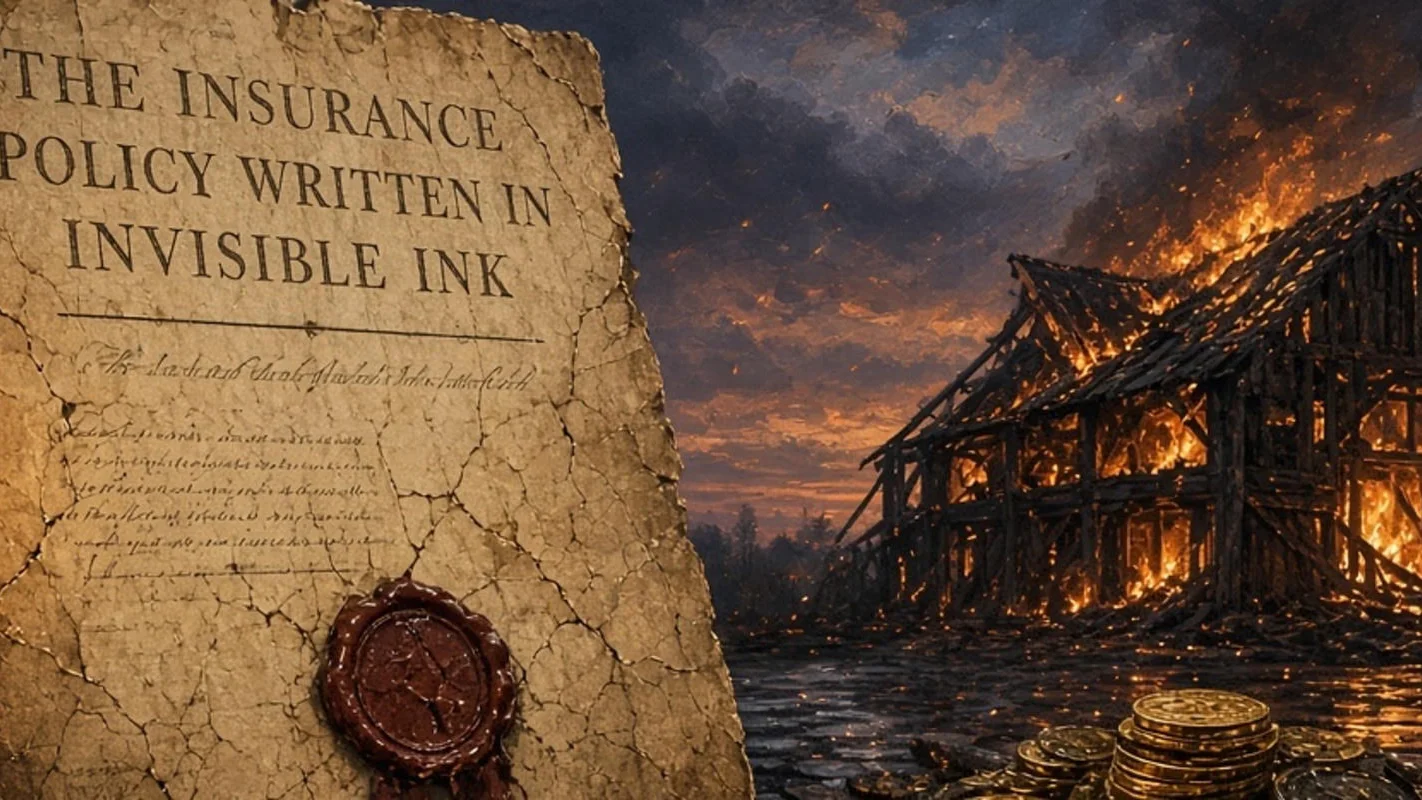
We find ourselves now in 2026, and that “perpetual dividend” has largely turned into fairy dust. The secondary market, once touted as the fountain of eternal youth for creators, has dried up into a parched riverbed. What was once a structural pillar of the “Web3” economy has been revealed as little more than a gentleman’s agreement, written in disappearing ink on a napkin during a hurricane. It is time we look at the wreckage and understand why this reckoning was not just predictable, but inevitable.
The Mirage of the Perpetual Toll
In my years of watching markets, I have learned that whenever someone promises you a guaranteed percentage of future transactions without a legally binding contract, you should check your pockets. The NFT royalty boom of 2021–2022 mirrored the dot-com era’s obsession with “future ad revenue.” Back in the nineties, every garage start-up was valued not on what it earned today, but on the “eyeballs” it would supposedly monetize tomorrow.
Royalties were the “eyeballs” of the NFT world. They were the justification for paying exorbitant prices for digital tokens. Investors weren't just buying the “art”; they were buying a claim on the future hype.
The fundamental flaw was the assumption that the code, the so-called “smart contract”, actually controlled the money. It didn't. It only controlled the token. The money was held by the marketplace, and as we soon found out, the marketplace had no loyalty to the creator’s cut.
The Marketplace Wars and the Race to Zero
The collapse began with a simple realization: greed is a universal solvent. When the market was up and everyone was getting rich, paying a 5% or 10% royalty felt like a small price for participation. But when the winter came and liquidity dried up, those royalties became a burden. Enter the disruptors like Blur which realized they could steal users away from established giants like OpenSea by simply making royalties optional.
It was a race to the bottom that would have made a Mississippi riverboat gambler blush. One marketplace dropped fees to attract the “pro traders,” and the others were forced to follow or face extinction. This proved a hard truth that I have preached for decades: On-chain records don’t mean a lick if the exchange refuses to honor the payout.
- Optional Royalties: Marketplaces transformed a “hard-coded” promise into a “suggested tip.”
- Zero-Fee Wars: Competition for volume destroyed the very margins that were supposed to sustain the ecosystem.
- The Evaporation: Once the precedent was set that royalties were optional, the “market standard” plummeted to zero.
By the time the dust settled, the “smart” in smart contracts was shown to be quite dim. The code could say whatever it wanted, but the actual transaction of currency happened off-chain or in ways the contract couldn't force. Goodwill is a flimsy umbrella in a hurricane of mercenary capital.
The 2026 Reality: A Graveyard of Dreams
Here in the present day, we see the results of this folly. While a tiny fraction of elite collections, the ones with “brand power” comparable to a heritage luxury house, still see some trickle of income from dedicated fans, 99% of digital collections are yielding exactly zero in secondary fees. The “perpetual dividend” was a mirage that led investors into a desert.
Why did it fail so spectacularly? Because off-chain goodwill isn't a sustainable business model. You cannot build a financial empire on the hope that the next buyer will feel generous enough to pay an extra 5% out of the goodness of his heart. In a cold market, people don’t pay for what they don’t have to. Value investing requires assets that have an enforceable claim on earnings. If you don't have the legal or technical power to collect your cut, you don't have an asset; you have a wish.
The Replacement Metric: Protocol-Level Revenue Share
If you’re looking for a real return in this digital wilderness, quit chasing the ghosts of NFT royalties. I have shifted my gaze to a different metric: actual protocol-level revenue share.
A value investor looks for “toll bridges” that are hard-coded into the very plumbing of the system. I’m talking about decentralized exchanges or lending protocols where the fees are collected as a function of the service itself, not as a discretionary “thank you” from a buyer. If a protocol facilitates a billion dollars in trades and a portion of every trade is programmatically distributed to token holders, you have a business. If you are relying on a marketplace like OpenSea or Blur to “do the right thing,” you are a victim in waiting.
The great royalties reckoning has been a painful lesson for many, but a necessary one. It has stripped away the neon paint and revealed the rusty gears beneath. We are returning to the iron laws of economics. If you want to be an investor, look for cash flow that is structural, not sentimental. Unless there’s a hard-coded, inescapable claim on real revenue, you aren’t holding a ticket to the future; you’re just holding a receipt for a dream that’s gone bust. Stick to the machines that produce, and leave the fairy dust to the dreamers.
"The trouble with a business model based on hope is that hope is not a line item on a balance sheet".