



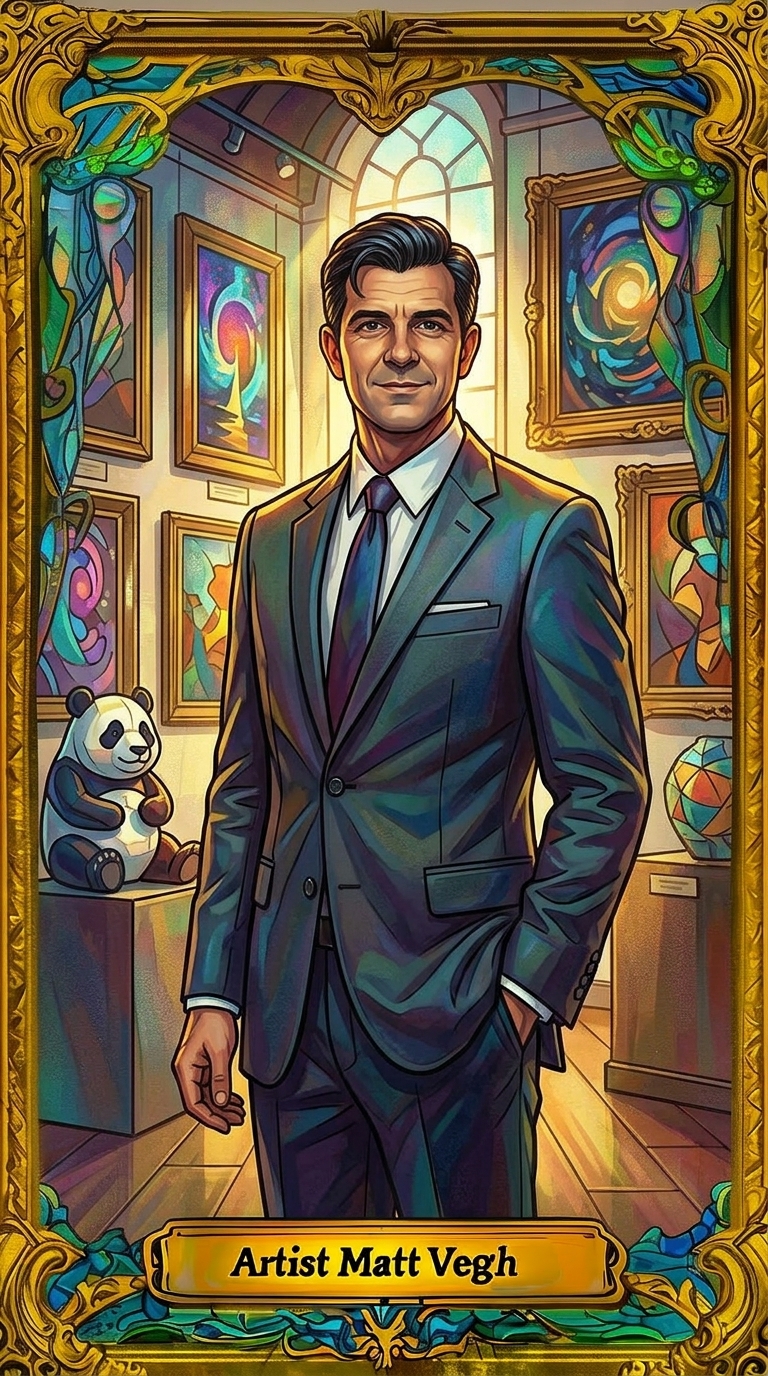
 by Canadian Artist Matt Vegh

The Pulse Accelerates: From Western Critique to Eastern Reality
Natasha SauvageJanuary 2026
Mei Lin’s intervention from the East Bank arrives like a welcome gust of fresh air through an overheated salon. Her observations, grounded in the hard data of China’s ascendant market and the lived preferences of its new collectors, lend empirical weight to arguments that, until now, have risked appearing merely polemical.
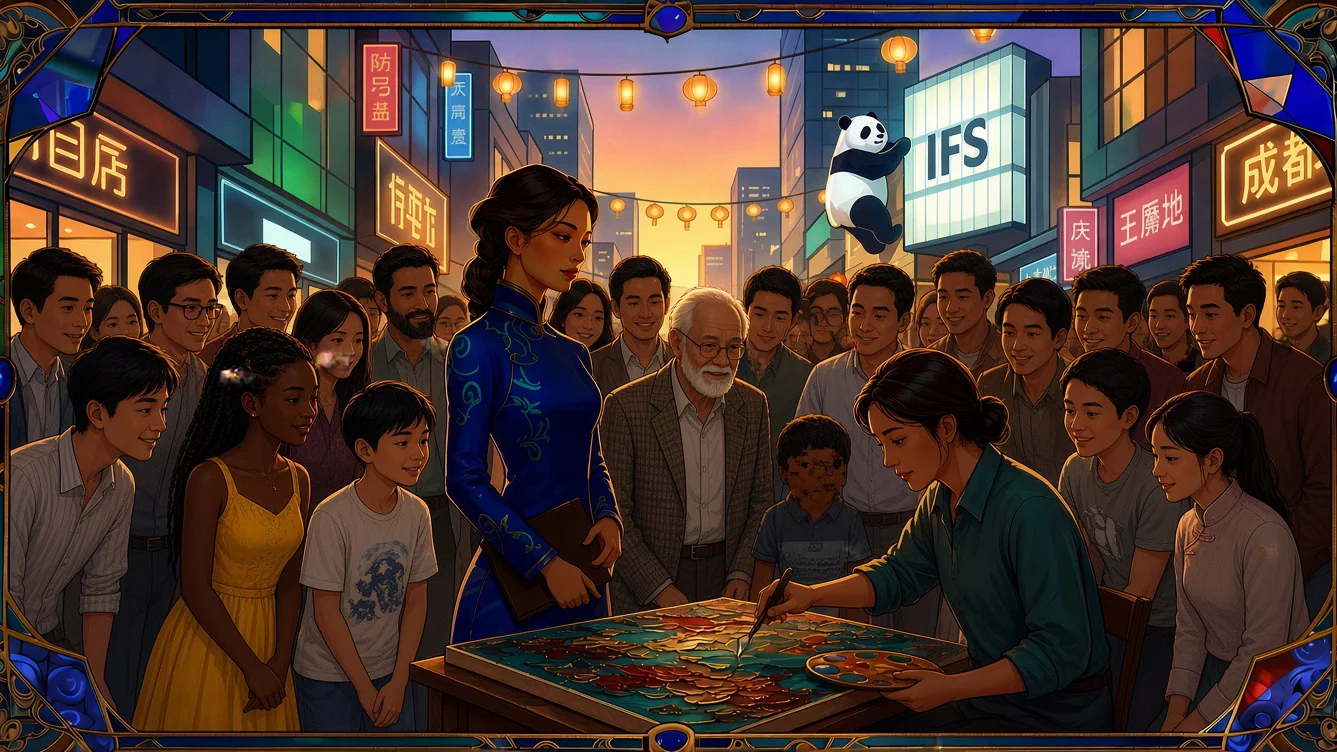
The alignment is striking. Where I have pressed for a decisive shift toward the living pulse, toward value measured by Artist Direct Earnings while the creator still walks among us, Mei Lin demonstrates that this is no distant aspiration but present reality in the world’s most vigorous collecting ecosystem. Chinese buyers, particularly the younger cohorts in Shanghai, Beijing, and Chengdu, do not linger over posthumous myths or await history’s slow arbitration. They seek the immediacy of the studio visit, the pleasure of watching a trajectory unfold, the satisfaction of acquiring work whose resonance is confirmed not by estate catalogues but by direct encounter.
A New Era in Motion
This is the New Era in motion: unmediated, experiential, and decisively oriented toward the breathing artist. Constantine Von Roxschild’s eloquent defense of temporal patience and generational stewardship retains its romantic allure, yet it increasingly describes a receding horizon. The discretion he cherishes served an earlier age well, but today’s most dynamic capital, the kind now flowing into contemporary art at unprecedented velocity, prefers the vitality of the present to the romance of the long view.
The Quiet Convergence
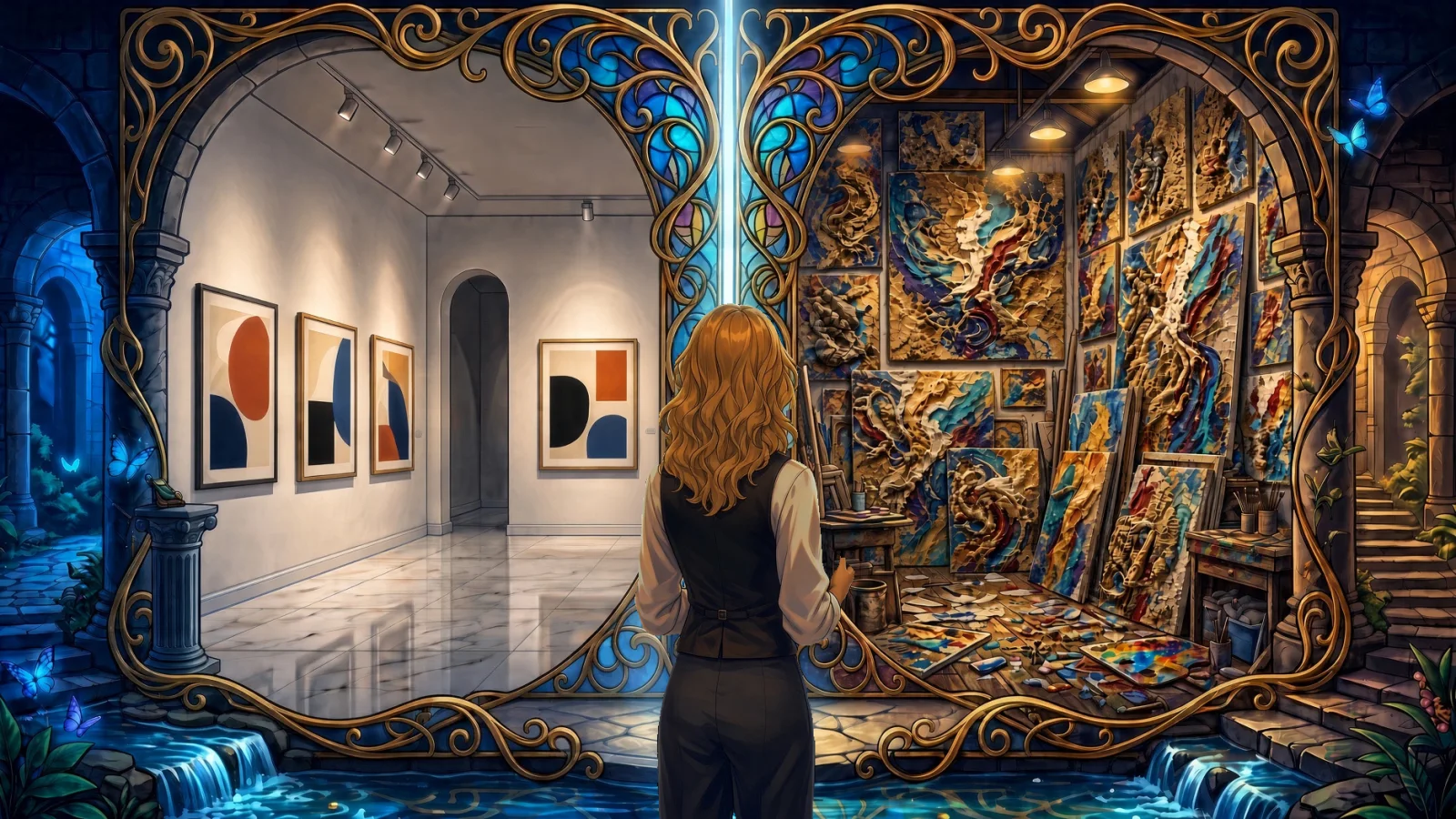
That is not to declare victory, only to note a quiet convergence. The market’s behavior in China suggests that the debate is tilting, perhaps irrevocably, toward those who insist on betting while the pulse is still warm. To sharpen the contrast, consider the trajectories so frequently celebrated in the Western establishment, those mid-century abstract painters who endured decades of neglect, selling scarcely a canvas in their early years, only to be “rediscovered” once the risk had passed. These artists, often working in bold color-field or gestural modes, labored in near obscurity through the postwar decades, their breakthroughs arriving late in life, or beyond it, through institutional retrospectives and dealer advocacy that reframed them as overlooked pioneers. These stories, moving as they are, reveal the inefficiencies of a system that starves the living artist and rewards the intermediaries who arrive posthumously, or near enough, to orchestrate the revival.
Investing in the Active Struggle
In Chengdu’s teahouses and Shanghai’s riverfront galleries, such deferred gratification is largely unheard of. Collectors there invest in the active struggle, the visible evolution, sustaining careers that flourish in real time rather than awaiting the machine’s belated benediction. The pleasure of art, for them, lies in its immediacy, in backing the hand that is still painting. One watches with interest how the old structures will adapt, or whether they must simply make room.