



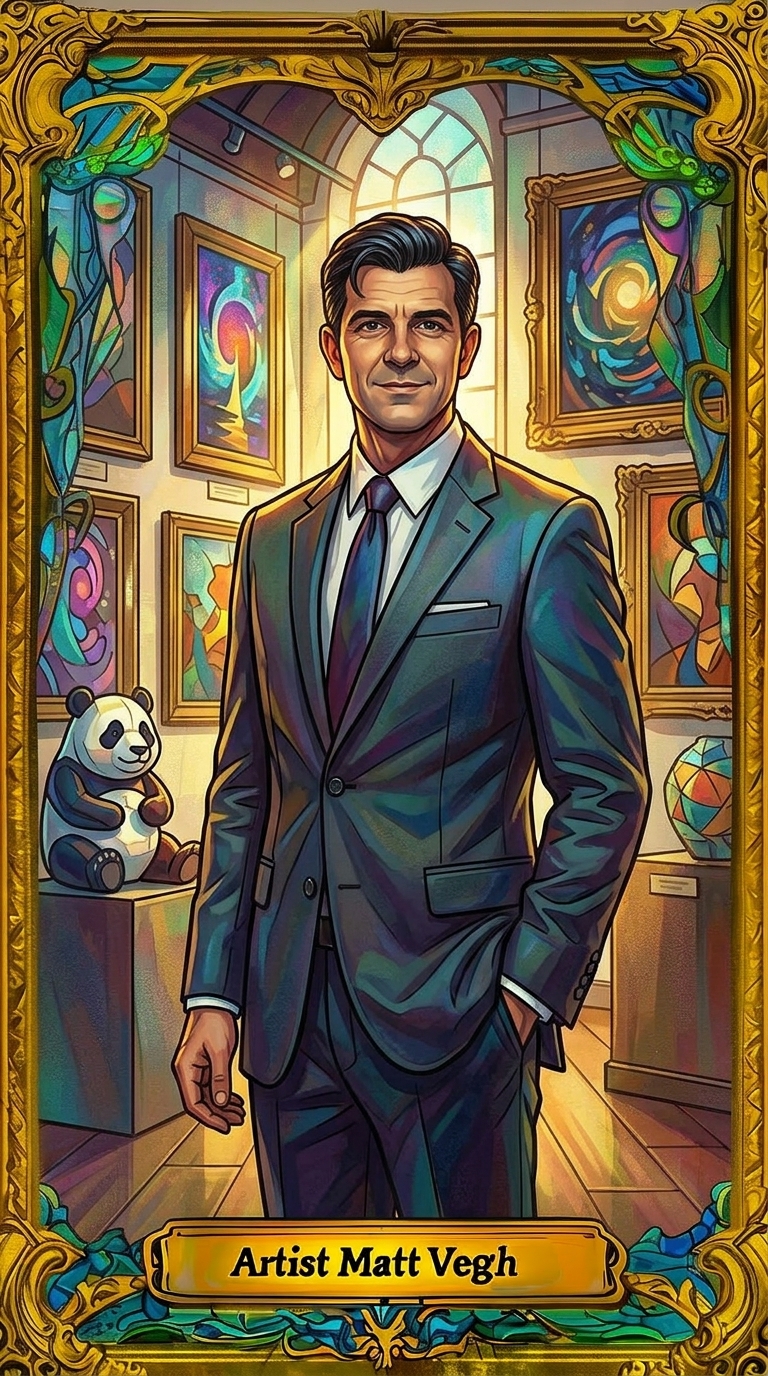
 by Canadian Artist Matt Vegh

The Quiet Return: Why Tactile, Thoughtful Abstraction Still Commands Attention
Natasha Sauvage - for Sauvage Art Magazine - January 28th, 2026
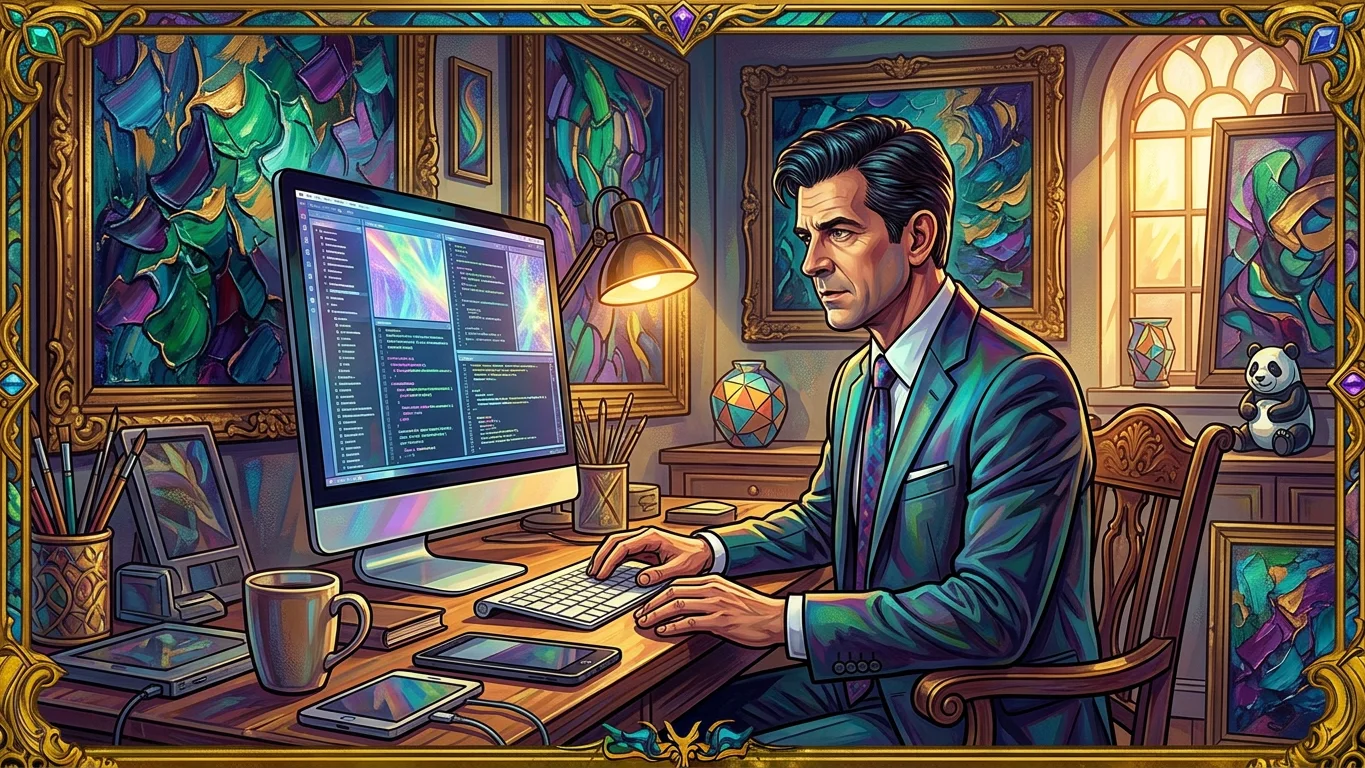
One encounters Matt Vegh's observations on abstract art with the rare satisfaction of recognition, a practitioner articulating what too many critics and collectors have forgotten: that abstraction, at its best, is not a theoretical exercise or market-driven gesture, but a direct, tactile encounter with material and emotion. Vegh reminds us that the most compelling work draws from the natural world; light on water, the grain of stone, the rhythm of wind through foliage, and transforms these into compositions that resonate intuitively, without needing curatorial scaffolding or auction-house mythology.
This is the abstraction that endures: layered, mixed-media constructions where intention is visible in every mark, every embedded texture, every deliberate shift in surface. Far from the flat, over-scaled schlock that has dominated New York galleries for the past few decades, those assistant-executed expanses of color or gesture that gesture toward profundity while delivering only commodity sheen; Vegh describes (and embodies) a practice rooted in real craft.
A New Generation of Abstraction
Emerging artists in this vein are elevating abstraction's status precisely because they refuse the easy path: they build surfaces that invite touch as much as sight, using new materials (resins, fabrics, found elements, even digital infusions handled with restraint) to create depth and mystery that flat canvas cannot match. The investment appeal in this emerging tier, works priced between $5,000 and $80,000, is straightforward yet profound. Collectors are drawn to pieces that feel alive and evolving, not embalmed or speculative.
The Value of Tactile Abstraction
Unlike the factory sublime, where scale substitutes for substance and delegation erases risk, these tactile abstracts reward close looking: new details emerge with each encounter, new emotional registers open over time. They are not "decor" for the boardroom or hedge-fund wall; they are intimate, mesmerizing objects that grow in value because they grow in meaning for their owners.
A Model for Authentic Art
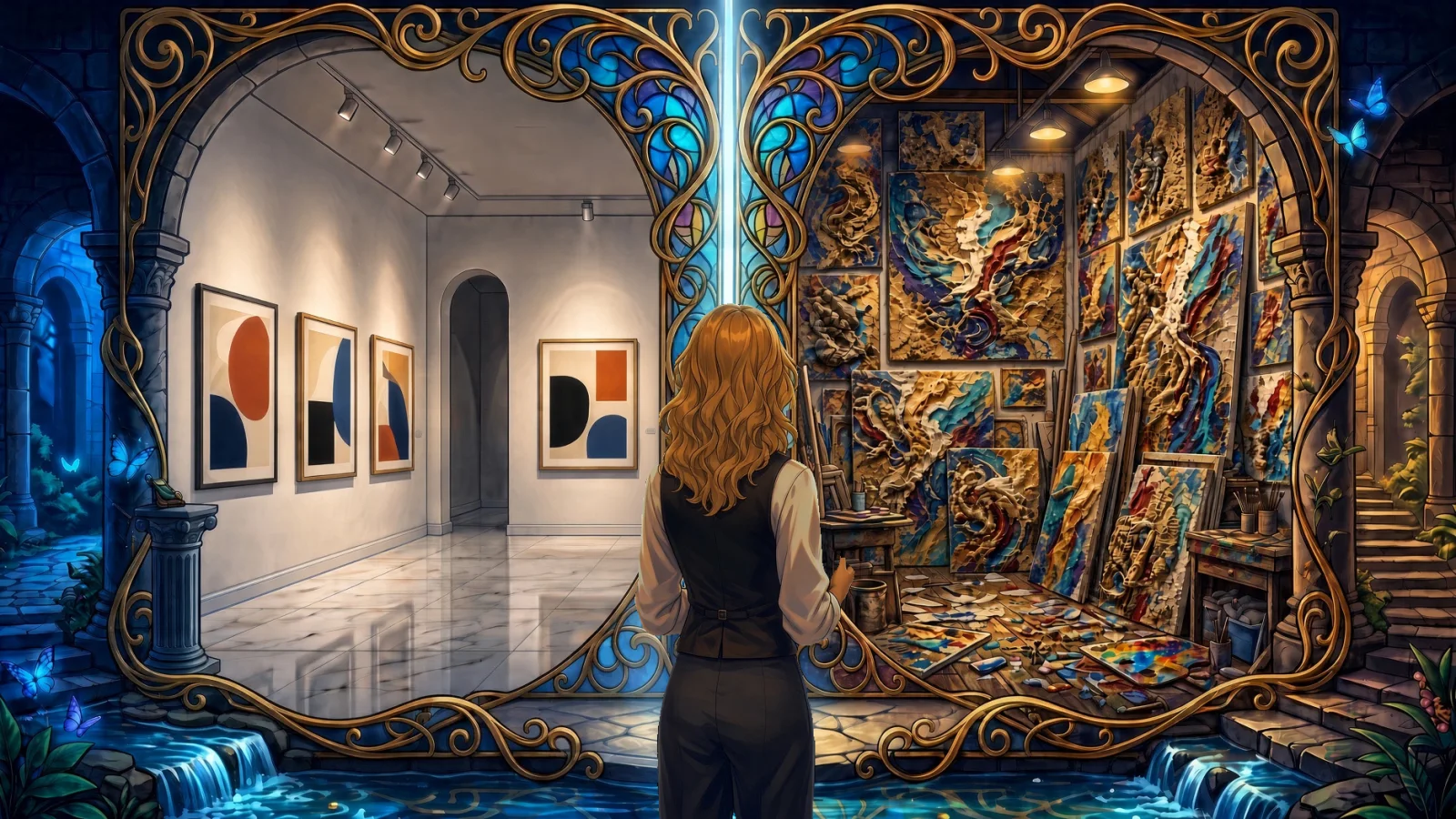
Vegh's own trajectory, sustained outside the mega-gallery circuit, built through direct relationships and a commitment to mixed-media innovation, exemplifies the model. His portal-like abstractions, fusing graphic intensity with physical layering, offer collectors a stake in a living practice that evolves in real time, not one retrofitted by dealers after the fact. In an over-saturated market hungry for authenticity, such work stands out: it demands engagement rather than passive admiration, and it delivers resonance rather than rhetoric.
Reclaiming the Conversation
The old abstractions may still command headlines, but the thoughtful, tactile pieces of the New Era are quietly reclaiming the conversation. They appeal because they return abstraction to its roots; not as rebellion or mysticism, but as a human-scaled language of sensation and craft. In them, we find not just investment potential, but a reason to look again, and again.