


The Scent of Aging Canvas
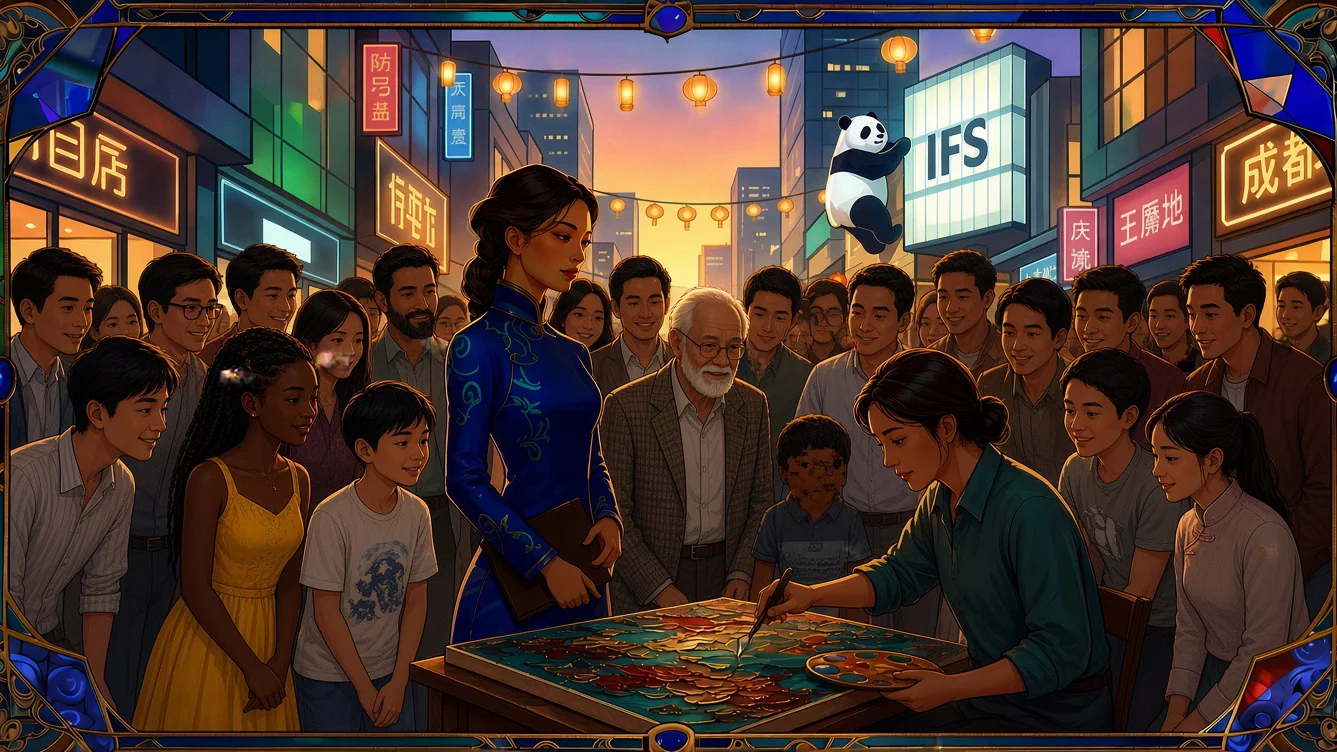
In the quiet studios of cities across China, generations of master artists have spent decades perfecting their craft. Canvases lean against walls or get stacked on shelves in careful columns. Sketchbooks filled with decades of observation sit alongside finished works that have rarely, if ever, left the room. These artists have poured their lives into their art with a devotion that commands deep respect. Yet for too long, much of this work has remained unseen by wider audiences, both within China and beyond.
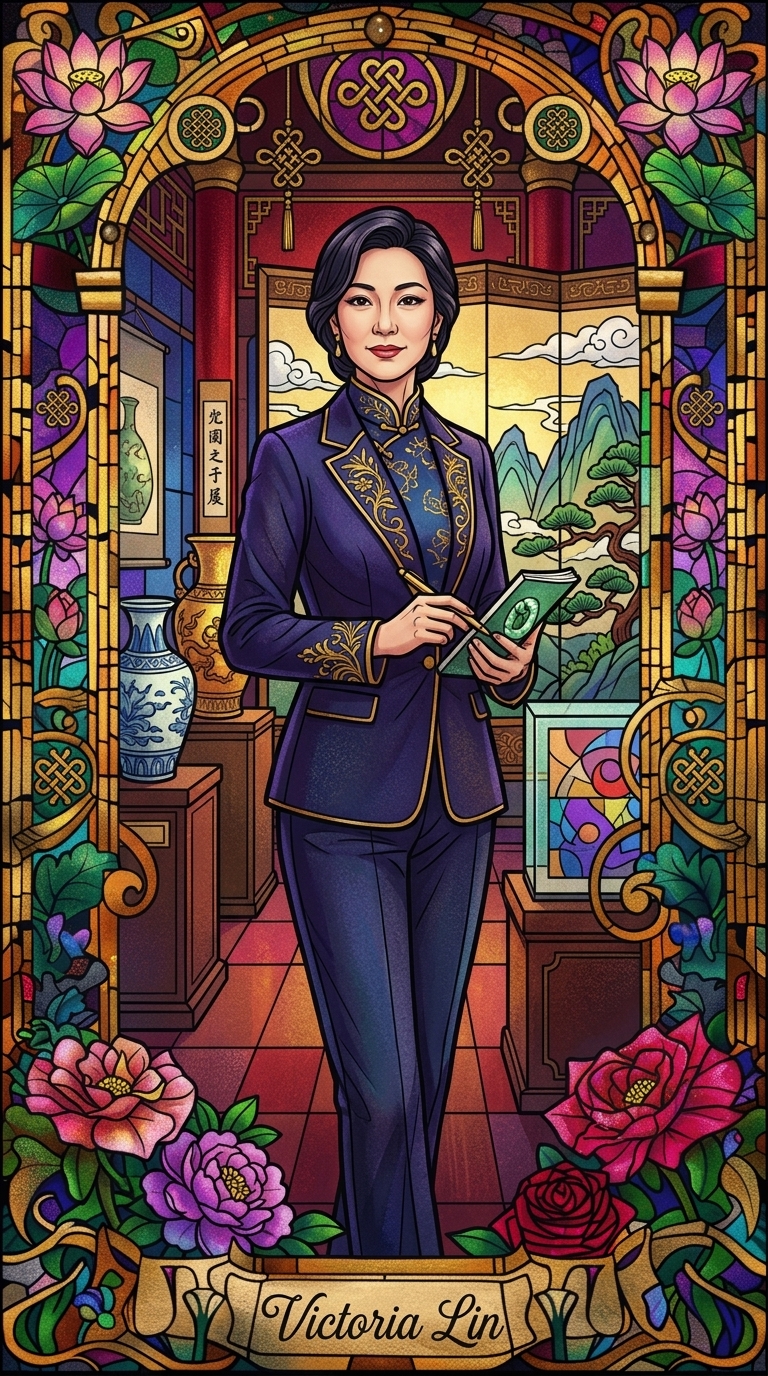
As Co-Chief Curator of the Art Strategy Foundation’s China-based collection, I have spent years walking through these studios, listening to the stories behind the paintings, and witnessing both the quiet brilliance and the very real vulnerabilities that come with artistic isolation. Today, I believe we stand at a pivotal moment. A growing number of master Chinese artists are opening themselves to thoughtful international exchange: and the need for a credible bridge has never been greater.
For many of these creators, their work has been a private meditation. They have guarded their legacy with a fierce, protective instinct. But as time inevitably ticks on, an older generation realizes that without a modern method of legacy preservation, their work may fade into obscurity, the same as many talented lives do.
The Reality of the Studio
Many of China’s most accomplished artists, particularly those who have been painting for thirty, forty, or even fifty years, developed their practice during periods when creation itself was the priority, not promotion or global circulation. Their mindset has often been one of careful guardianship: hold onto the work, protect it, keep it close. This approach is born from both cultural values and practical caution.
Yet this same approach carries significant risk. A fire or flood, can erase decades of irreplaceable work in an afternoon. Then there are the silent killers, mold, or humidity, and even the slow passage of time.
I was in a Master Artist's studio in Pi Xian just last month. He had well over 1,000 original works of art, literally decades of his life, scattered, filling every corner, nook and cranny in an old tenement building. I felt so sad and was filled with worry.
I have seen the concern in artists’ eyes when we discuss legacy and preservation. Many are now asking a new question: how can I share my life’s work responsibly while ensuring it is protected and appreciated by future generations?
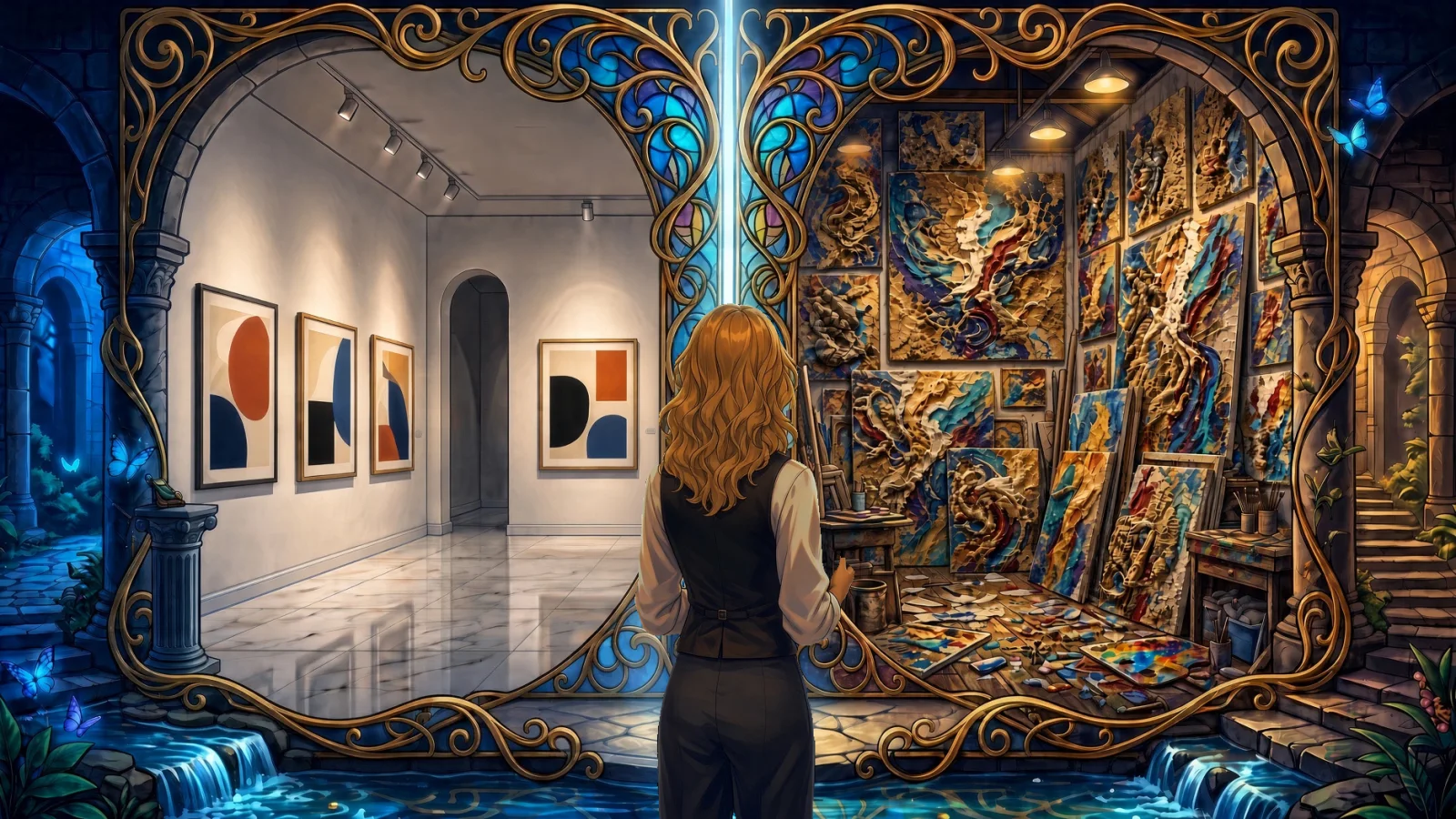
At the same time, the Chinese art ecosystem is showing clear hunger for authentic international connection. Collectors and institutions abroad are actively seeking deeper engagement with Chinese contemporary and modern masters, but they need trusted pathways that respect the cultural context and the artists’ own pace.
Building the Bridge
This is precisely why the Art Strategy Foundation has focused its efforts on creating a thoughtful, artist-centered platform for exchange. Our China-based collection now encompasses more than 200 carefully selected works, and we are actively expanding both the physical holdings and the reach of the artists we represent. Through structured artist exchange programs, we facilitate meaningful introductions between Chinese masters and international audiences. These are not rushed transactions. They are carefully curated relationships built on respect, dialogue, and long-term vision. Many successful exchanges have already taken place, and we are now ramping up this initiative significantly.
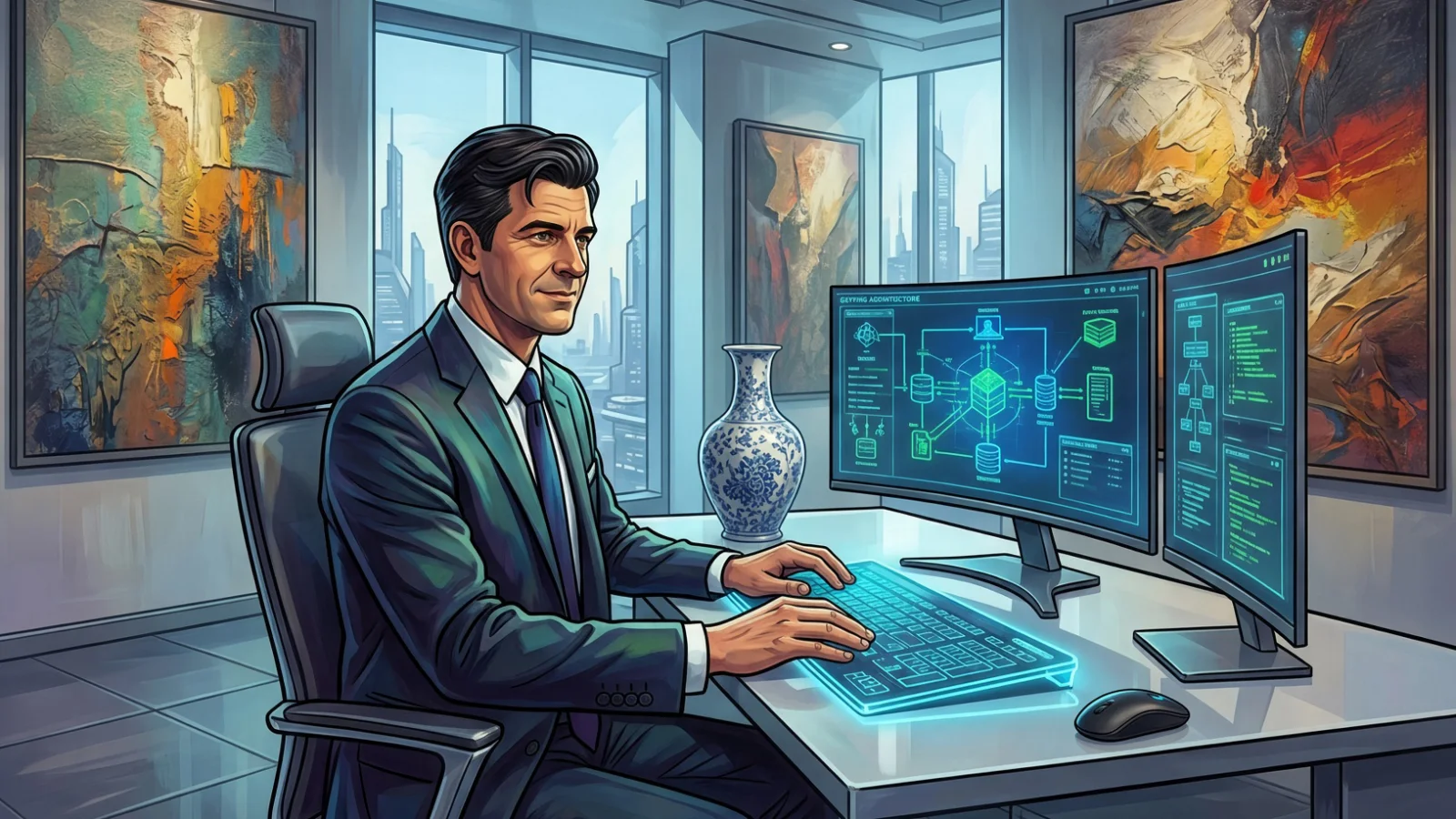
Central to our approach is MemoryCraft, developed by Academic prodigy Nathaniel Vegh, a powerful platform that allows us to document, preserve, and present artists’ work with both technical excellence and cultural sensitivity. By combining high-fidelity digital archiving with strategic physical placement, MemoryCraft helps reduce the risks of keeping everything in one place while opening new doors for appreciation and collection.
The Opportunity for Master Artists
For artists who have worked quietly for decades, this moment offers several profound benefits:
Legacy Protection: Strategic sharing and professional documentation create a secure record that survives physical risks.
Wider Appreciation: Work that has been unseen for years finally reaches collectors, curators, and art lovers who can truly value its depth and mastery.
Creative Renewal: International dialogue often brings fresh perspective and energy, even while artists maintain full control over their core collections.
Cultural Dignity: Exchanges done correctly honor the artist’s journey rather than commodifying it.
I have personally witnessed the shift in mindset. Artists who once hesitated are now more open, recognizing that selective, well-managed exchange does not diminish their work: it secures its place in the broader story of Chinese art.
A Foundation for the Future
At Art Strategy Foundation, we see our role not as intermediaries chasing trends, but as curators and stewards building sustainable cultural bridges. Our growing collection serves as both a repository and a living platform: one that connects generations of Chinese artistic wisdom with global contemporary dialogue. We are committed to expanding these artist exchanges in a way that feels natural, respectful, and professionally supported. The goal is not volume, but meaning: placing the right works with the right collectors and institutions, while ensuring the artists themselves feel secure and valued.
An Open Invitation
To the master artists reading this who have spent lifetimes in quiet dedication: your work matters. It deserves to be seen, studied, and preserved. The world is becoming more ready to listen, and we are ready to help build the bridge. If you have dedicated decades to your practice and are considering how best to share your legacy, I invite you to reach out. Our doors and our studios are open for thoughtful conversation. The future of Chinese art will not be written in isolation. It will emerge through respectful exchange, careful preservation, and shared appreciation across borders. At Art Strategy Foundation, we are proud to play our part in that important story.