
The Inseparable Cousins of the Crust
I have spent a good portion of my life chasing veins in the high desert, but some metals do not care about your comfort or your geography. In the mining world, we call Tantalum (chemical symbol Ta) and Niobium (chemical symbol Nb) “the twins.” They are almost always found together in the same rock, usually columbite-tantalite, or coltan if you have been following the news. They are like cousins who refuse to leave each other alone. They have nearly identical atomic radii, which makes them a nightmare for a refinery to separate but a miracle for the folks building our modern world.
Tantalum is the stubborn one. It is dense, it ignores corrosion, and it can hold an electrical charge like nothing else on the periodic table. That is the reason your smartphone is a thin slab of glass instead of the size of a brick. Niobium is its lighter, more versatile relative. It is the secret sauce in high-strength steel. If you want to build a jet engine that does not melt at high altitudes or a pipeline that will not crack under the pressure of a frozen tundra, you need Niobium.
A Lopsided Map of the World
The current map for these metals is about as balanced as a one-legged stool. For Niobium, Brazil is the undisputed king of the hill. They produce about 90% of the world’s supply, mostly out of the Araxá mine. Canada chips in the rest from a few spots in Quebec. If Brazil decides to close the gate, the world stops building skyscrapers and airplanes overnight.
Tantalum is a messier story. A massive chunk of the global supply comes from the Democratic Republic of the Congo and Rwanda. Much of that is artisanal mining. That is just a polite industry term for folks digging in the dirt by hand in conditions that would make a 19th-century prospector wince. While Australia and Brazil provide more industrialized, stable supply, the ethical shadow over Central African coltan keeps the whole supply chain on a short leash. We call them conflict minerals for a reason, and the paperwork required to prove your Tantalum didn't fund a local militia is enough to choke a mule.
The AI Surge and the Capacitor Crunch
Mining the ore is only half the battle. Turning that rock into high-purity powder or wire happens mostly in China, Germany, and right here in the States through outfits like Global Advanced Metals. As we look at the books for 2026, the supply-demand balance is tighter than a new pair of leather boots. The main culprit? AI data centers.
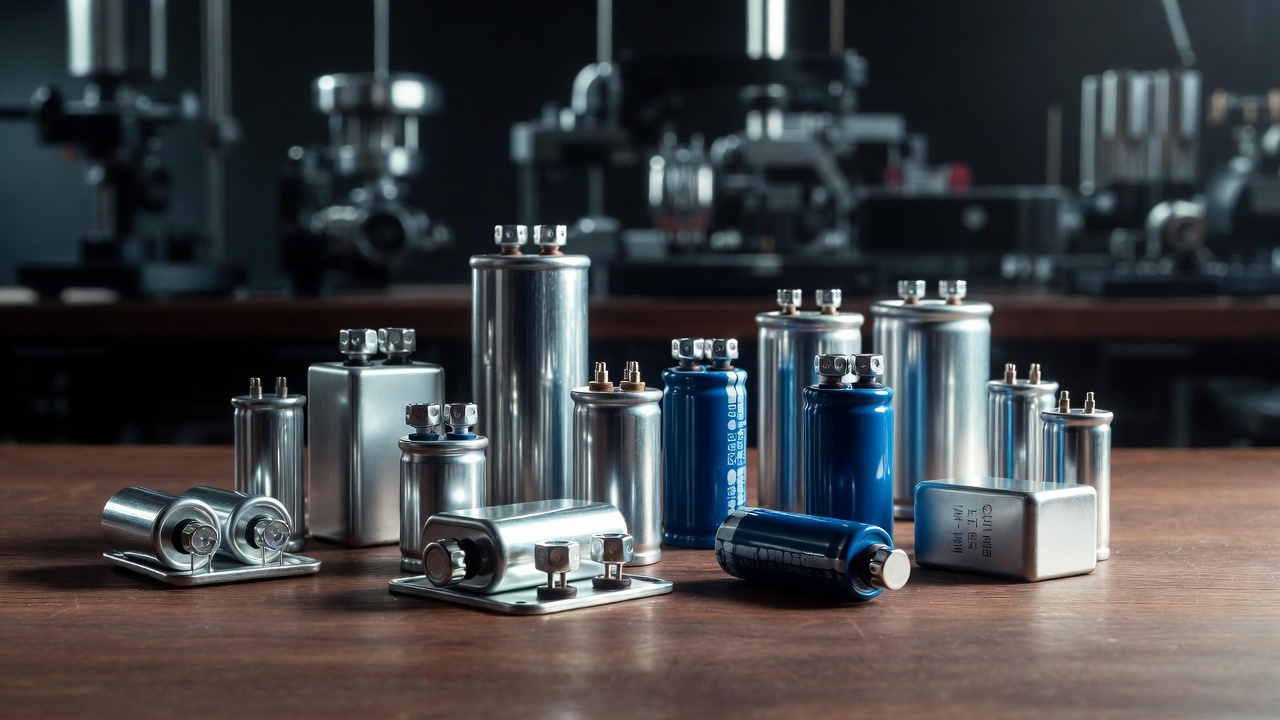
These massive server farms are being built at a frantic pace. They require high-performance polymer tantalum capacitors to function. These are not your run-of-the-mill hardware store components. They do not dry out like old aluminum capacitors and they can handle the blistering heat of a high-density server rack without flinching. The suppliers for these specialized bits, names like KEMET and AVX, are facing a mountain of orders they can barely climb. Looking out over the next ten years, demand is only going up as we move from smart tech to autonomous everything. If we don't find more metal, the digital revolution is going to hit a brick wall.
The Myth of the Recycling Cure-All
I hear a lot of talk from folks in suits about recycling our way out of this hole. It sounds good in a boardroom, but the reality on the ground is a bit more complicated. Tantalum recycling actually has some teeth; about 20% to 30% of the global supply comes from scrap. But most of that is pre-consumer scrap from the leftovers on the factory floor. We are also pretty good at reclaiming it from cemented carbides, those ultra-hard drill bits we use in the field. When a bit wears out, that Tantalum is too valuable to bury.
“You cannot recycle what has not been mined yet, and right now, the world is hungry for new metal.”
The real headache is urban mining. A modern smartphone has a speck of Tantalum so small you would need a magnifying glass to find it. Trying to get that out profitably is like trying to find a specific grain of salt in a sandbox. Niobium is even harder to recover. Once it is baked into the steel of a bridge or a car frame, it is basically locked in for life. When that steel gets recycled, the Niobium stays in the mix, but it is diluted. It makes the new steel a little better, but you aren't getting pure Niobium back for a jet engine.
The Long-Term Gamble
Uncle Sam is finally waking up to the fact that the U.S. has zero primary production of these two metals. We are 100% import-reliant. The long-term strategy isn't just about finding a magic vein in Nevada, though I am still out there looking. It is about friend-shoring with allies like Canada and Australia. It is about getting serious about domestic processing so we aren't sending our raw materials across the ocean just to buy them back at a premium.
If we want the AI revolution to keep humming and our jets to keep flying, we have to get smarter about where these twins come from. Relying on unstable regions for the metals that run our highest-tech dreams is a gamble. Eventually, the house always wins unless you start digging closer to home. I'll keep my shovel ready; I suggest the folks in Washington do the same.