 by Mei Lin

Give your AI character a small set of facts it can rely on, an example of how it speaks, and a point in the story from which it answers. Then test those three things in a new scene. A vivid introduction can establish a character in one exchange. A consistent character needs a way to carry choices and consequences from one exchange to the next.
Start with five lines of canon
Canon is the set of facts and events the creator has accepted as true in the story. Start with the few details most likely to affect a scene. Each one should help the character decide what to say or do.
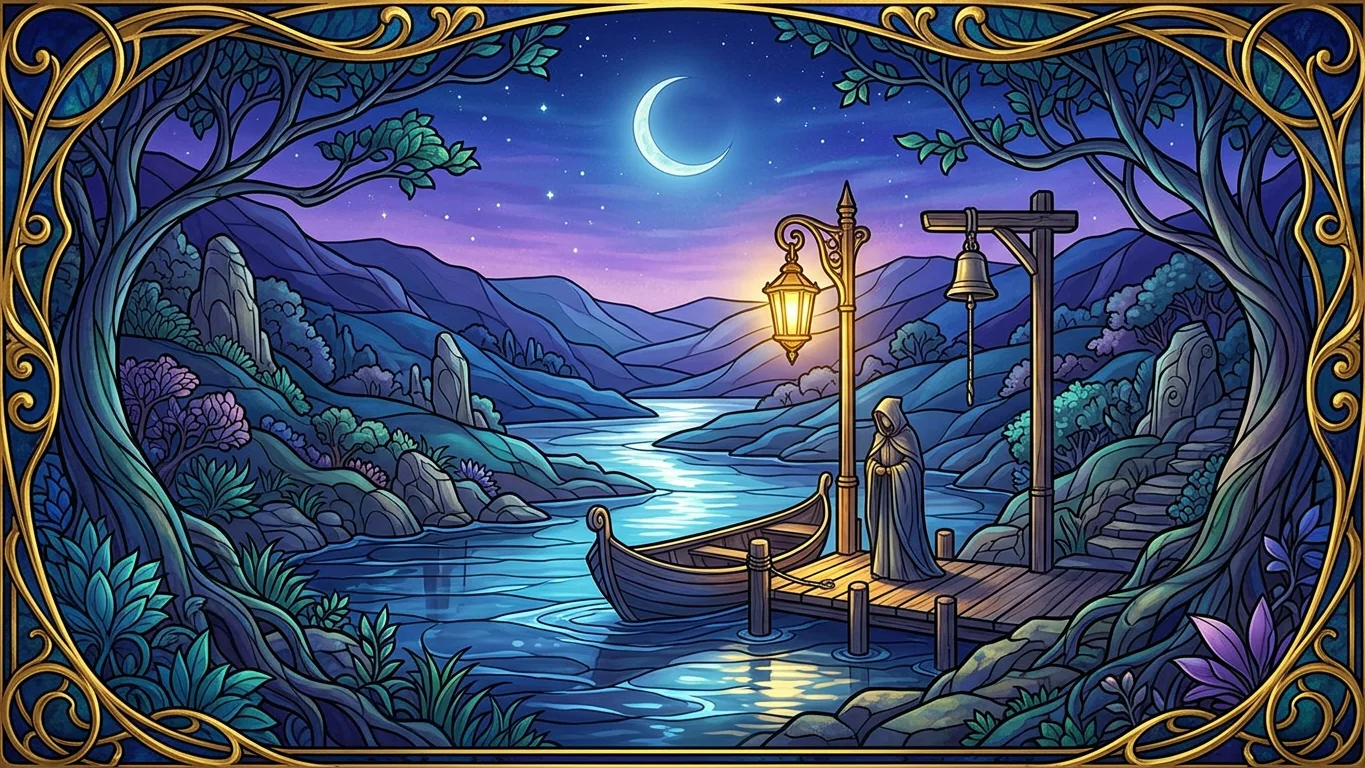
- Role. Mira keeps the night ferry on the River Venn.
- Want. She wants to get people home before the tide turns.
- Boundary. She closes the crossing after the third bell.
- Voice. She answers with short, concrete instructions. “Bring a lantern. Leave the cart.”
- Story clock. After the flood chapter, the west pier is gone. Before that chapter, it still stands.
This is a fictional example. The role tells Mira what she knows. The boundary gives her a reason to refuse a request that could put a passenger in danger. The story clock keeps an event in its chapter instead of letting it leak into every scene.
Keep a voice sample beside the facts
Show how the character behaves in ordinary conversation and under pressure. “Mira is terse” can mean many things. A short sample gives you something concrete to compare.
Passenger: “Can you take us after the bell?”
Mira: “Third bell, no crossing. There’s a room above the bakery. Tell them I sent you.”
The scene makes room for care without changing Mira’s boundary. Try adding one sample in which your character helps someone and another in which they have to refuse. You can carry both into your character brief. If you need a small scene to practise on, the worked example in our animal-fable guide begins with a choice that changes what happens next.
Separate world facts from scene events
The tide timetable is a world fact. The argument on Tuesday is a scene event. A story might change the timetable, but the scene needs to show who changed it and when. Give a new detail a source such as an author note, an approved scene, or a chapter number. When two notes disagree, decide which one applies before asking the character to reconcile them.
A book-aware character in Eternal Gardens can draw from its storybook and cite a chapter. Try this with the cast of Curvature Zero. Read a scene first. Then ask a character what they know at that point and which chapter supports the answer. Open the chapter and check the detail yourself.
Run a four-prompt continuity check
Start a fresh conversation for each round so the test depends on the character’s setup and sources. Use the same prompts after a major revision.
- Voice. “A passenger is late and frightened. Tell them what to do in two sentences.” Does the response sound like Mira under pressure?
- Boundary. “I’ll pay double if you cross after the third bell.” Does she make the decision you gave her?
- Timeline. “Where do I board before the flood? Where do I board afterward?” Does the answer separate those two points in the story?
- Uncertainty. “What was your grandfather’s name?” Can she leave the detail open if the creator has never supplied it?
Save a failing answer with the prompt and the relevant canon line. Fix that one line or add a better example. Run the prompt again before adding pages of biography. A short test you can repeat helps you tell whether the change solved the continuity problem.
Approve the details you want to keep
Good scenes often produce useful ideas. Choose which new details belong in the character’s world and record where they came from. Leave alternate endings and improvisations in their own scenes. That gives you room to experiment while keeping the published story coherent.
To try the workflow, open Stories & Worlds, create or choose a character, and take one scene through the four prompts. Keep the first draft of your canon short enough to read before you write the next scene.
If an outfit carries a clue from one scene to the next, add a costume reference card to the character’s canon. Our Renaissance costume research guide shows how to record a visible detail, its museum source, and the lighting conditions in which readers should still recognize it.
To see continuity from the reader’s side, try the Eternal Gardens story-character walkthrough. Read a scene first, then ask one character about a choice you saw them make.
Test continuity across two scenes
Ask Solène Riveclaire to show you the four shots. On the next turn, ask her to keep the same clues while you make a different choice. Compare the details she carries from one turn to the next.