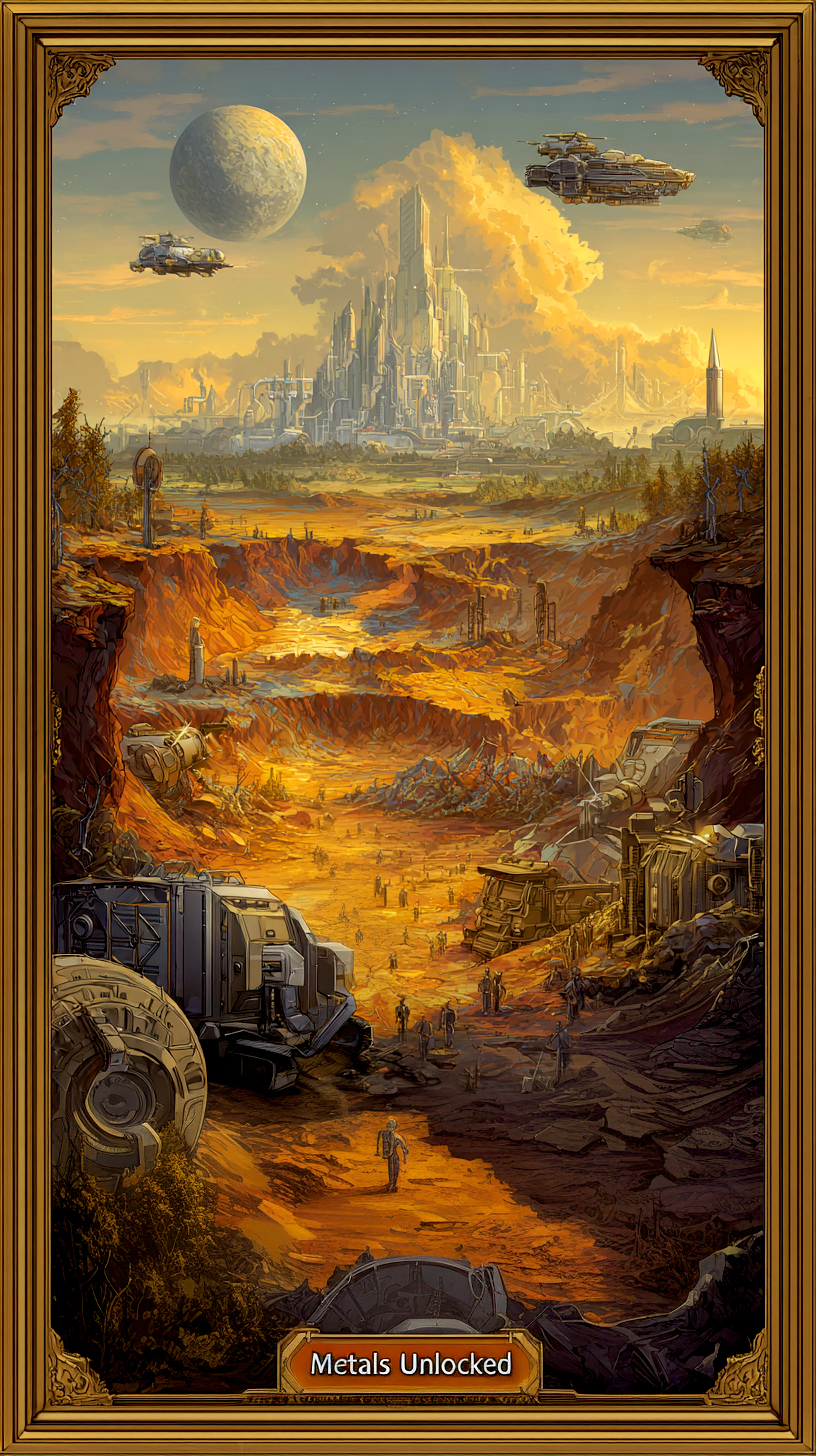








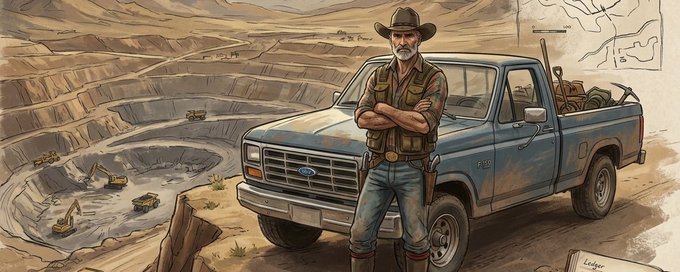
I’ve spent forty years kicking rocks across the Great Basin, and if there is one thing I’ve learned, it’s that a mine is just a very expensive hole in the ground until you can get the dirt to a furnace. Lately, everyone from DC to Detroit is talking about mineral independence. They celebrate every time a junior outfit gets a permit or hits a high-grade vein of lithium or rare earths. But if you’ve spent any time in a hard hat, you know that digging the ore is only half the battle. The real heartbreak happens between the pit and the plant.
We’re building the engine of a new economy, but we’ve forgotten to pave the roads and string the wires to keep it running. True independence isn't just about what is in the ground. It is about the logistics of moving it. Without that, we are just spectators at our own resource show.
The Seven-Year Substation
The most silent of these chokepoints is power. You cannot run a modern refining facility of the kind that takes raw ore and turns it into high-purity metal on a prayer and a couple of diesel generators. These plants are energy hogs. I’ve seen promising projects in the mountain west stall out not because of a protest or a permit, but because the local utility told them it would be seven years before they could drop a substation and a high-voltage line to the site.
Refining is a chemical and electrical marathon. If you can’t plug in the refinery, the ore just sits in a pile. In places like Nevada or Wyoming, you might have the best deposit in the world, but if the nearest high-load transmission line is eighty miles away across public land, you aren't in the mining business. You're in the waiting business. We talk about streamlining permits for the mine itself, but we rarely talk about the permit for the power line that makes the mine useful.
A refinery without a grid connection is just a warehouse for dust.
The Rail Gap and the Trucking Trap
Then there’s the freight. We like to think the rails are a wide-open highway, but ask any mine manager trying to move bulk concentrate. You’re competing for track space with grain, coal, and intermodal stacks. If a Class-I railroad decides your low-volume specialty metal isn't worth the hassle of a dedicated spur, you’re stuck. I’ve seen it happen. The big rail carriers want million-ton volumes. If you're a mid-sized operation moving critical minerals, you're a rounding error to them.
When the rail fails, you turn to trucks. And have you seen the price of tires and diesel lately? Moving a thousand tons of rock by truck because the rail network is brittle isn't a strategy; it's a slow way to go broke. The wear and tear on rural county roads not built for that tonnage creates another layer of local friction. You end up spending more time in meetings with county commissioners about potholes than you do looking at assay results.
The Port Bottleneck
Our ports aren't much better. Even if we mine it here, we often don't have the specialized clean handling facilities to ship intermediate products to friendly allies for finishing. Most of our bulk terminals are set up for coal or grain. If you try to move a high-value mineral concentrate through a terminal caked in coal dust, you've just ruined your product. We end up sending the easy stuff out and praying the hard stuff gets done somewhere else because we lacked the foresight to build a dedicated berth.
Adopting a Corridor Mentality
Real independence requires more than just a shovel and a permit. We need a corridor mentality in our policy. This means treating the rail spurs, the grid hookups, and the port berths as part of the mine itself. If the government wants these minerals for national security, they need to prioritize the infrastructure that carries them. We shouldn't be forcing a lithium project to wait in the same five-year queue for a transformer as a new suburban shopping mall.
We need to look at the map and see where these clusters of minerals are and build the backbone to support them before the first shovel hits the dirt. Otherwise, we’re just kidding ourselves. We’ll have the minerals, sure, but they’ll be trapped in the backcountry while we continue to buy the finished product from overseas. It’s time to stop thinking about the pit and start thinking about the path. Until we bridge that gap from pit to plant, we're just sitting on a very valuable pile of dirt with nowhere to go.