
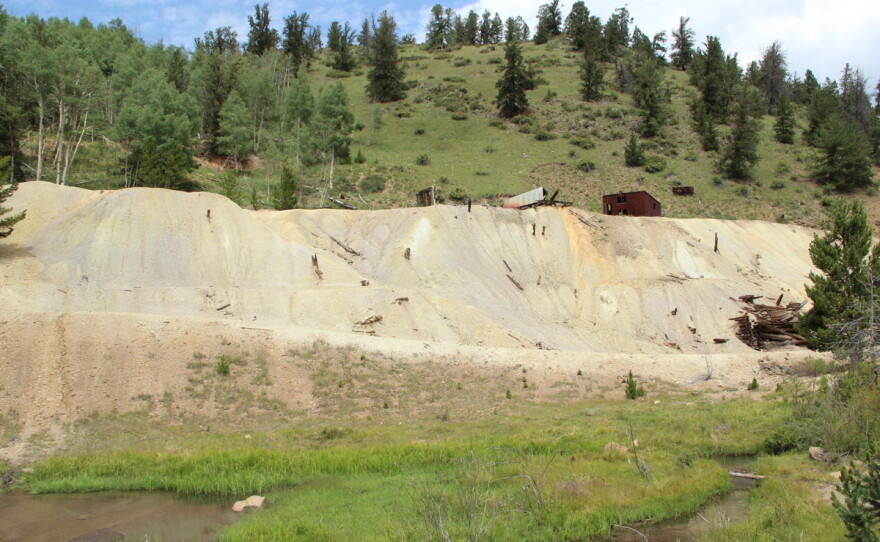
Most folks look at a century-old tailings pile and see a heap of gray dirt and a headache for the government. I look at it and see a head start. For decades, we chased the big-ticket stuff like copper, gold, silver and tossed anything that didn’t fit the circuit into a waste pond. Back then, rare earths were just something for academic types to fret over. Now, those old piles are sitting there like a stocked pantry we forgot to lock.
The beauty of reprocessing legacy waste is that the heaviest lifting is already done. The blasting, the hauling, and the primary crushing happened before I was born. It’s already on the surface, sitting in the sun, waiting for a modern chemistry set to finish the job. Technically, it’s a scavenge, but economically, it’s a shortcut. You aren’t betting the farm on a deep drill hole; you’re measuring a volume that’s already sitting in your backyard.
The Economics of the Scavenge
I’ve seen plenty of folks go broke chasing a vein that wasn't there, but you can’t miss a million tons of tailings. In traditional mining, the costs are front-loaded. You spend years drilling core samples, building roads, and digging out the overburden, which is the useless rock sitting on top of the good stuff. With legacy sites, the overburden is gone. The ore is already ground down to the size of beach sand.
Modern extraction techniques, like advanced solvent extraction or even using bugs to eat away the waste rock, mean we can pull value out of dirt that was considered trash in 1950. We aren't just looking for the gold they missed. We're looking for the cobalt, the manganese, and the lithium that the old-timers didn't even have a name for. It’s a lower-risk play because the inventory is visible and the extraction is more like a factory process than a blind hunt.
Navigating the Red Tape as a Reclamation Hero
The real win, though, is the paperwork. If you try to open a greenfield mine today, you’ll spend a decade and a mountain of cash just dancing through the NEPA maze. I’ve seen projects die of old age before the first shovel hits the ground. But if you’re cleaning up a legacy site you're taking a mess left by some outfit that went bust in the forties and turning it into a feedstock for our batteries, and the conversation changes.
"The regulatory pathway is often faster because you’re reducing an existing environmental liability. You’re fixing the water and the soil while feeding the domestic supply chain."
You’re not just a miner in the eyes of the law; you’re a reclamation specialist. By reprocessing these piles, you can often mitigate old acid mine drainage or stabilize toxic dust. The government is starting to catch on. We’re seeing the Interior Department nudge things along, looking at abandoned uranium mines and coal refuse as strategic assets. It’s a win for the local towns, too as they get the jobs and a cleaner horizon without the decade-long wait for a new footprint.
The Puzzle of the Last Mile
Now, don’t go getting promoter’s fever. It isn’t magic. These old piles can be a chemical puzzle. Sometimes the minerals are locked up in ways that require a very specific, expensive solution. If you don't have the refining capacity nearby, you're just moving dirt from one hole to another. Our biggest hurdle isn't just digging it up; it's having the plants ready to turn that scavenged muck into high-purity metal.
We also have to deal with the ownership ghosts. Finding out who actually owns a pile of rocks abandoned in 1920 can be harder than the mining itself. But even with those headaches, it's a better bet than waiting on a permit for a hole that might stay empty. We’d be fools to keep walking past the riches we already dug up. It’s time to stop treating legacy waste like a ghost and start treating it like a resource. The dirt is already there; we just need the grit to finish the job.