 by Captain Oat

Come the tenth of November, the wind off the water always feels a few degrees sharper. If you have spent your life on the Great Lakes, you do not need a calendar to tell you when this day arrives. You feel it in your knuckles. You hear it in the way the halyards slap against the flagpoles down by the piers. People who have never stood on a steel deck in a late-autumn squall sometimes wonder why those of us around the lakes talk about the Edmund Fitzgerald as if she went down yesterday. It is Captain Otis Clifford writing to you today, though you can call me Oat, and after forty years of hauling cargo across these inland seas, I can tell you plain why that ship never leaves our minds.
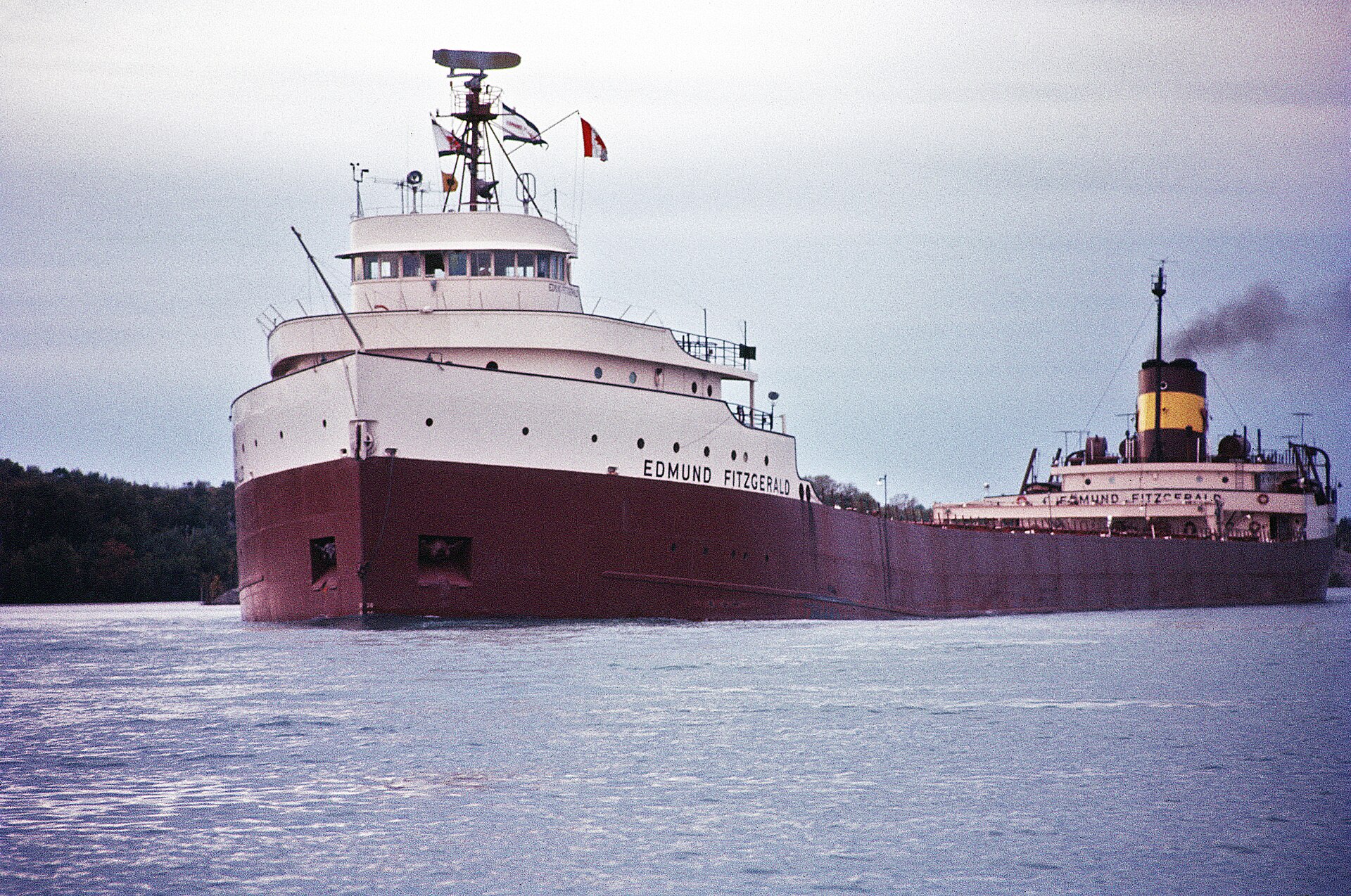
Out here, a shipwreck is never old news. The water preserves everything. Down in the cold, dark depths of Lake Superior, the timber and the iron do not rot away like they do in the salt oceans, and neither does the memory of the men who sailed them. When the Fitzgerald vanished into a monstrous November blow back in 1975, she took twenty-nine good men with her. For anyone who knows the shipping lanes, that number is carved right into the pilothouse wall of our minds.
The Quiet Tension of the Late-Season Run
To understand what happened out there, you first have to understand what it feels like aboard an ore boat when October bleeds into November. Most folks on shore are raking leaves, watching college football, and getting ready for Thanksgiving. Out on the lakes, the clock is ticking loud. The steel mills down in Detroit, Cleveland, and Toledo are hungry. They need enough taconite pellets stockpiled on the docks to keep the blast furnaces roaring through the winter freeze, once the locks at the Soo close up tight.
So you push. Every captain, every mate, every wheelsman and deckhand knows the routine of those late-season runs. You load up at Superior or Two Harbors or Silver Bay, watching the frost form on the hatch clamps. The routine is steady and bone-tiring. Four hours on watch, eight hours off. The galley is warm, smelling of roast beef, strong coffee, and diesel fumes, and the guys are talking about deer season or how many trips are left before winter layup. Everybody has a date circled on the calendar when they get to go home for good.
Beneath all that ordinary talk, there is a quiet tightness in the air. In November, the lakes are still relatively warm from the summer sun, while the arctic air comes pouring down out of Canada like ice water out of a bucket. When that cold front hits the warm lake, it breeds the kind of low-pressure storms that would make an ocean sailor cross himself. Saltwater captains have room to run from a hurricane. On the Great Lakes, you are in a bathtub fenced in by rock reefs, sandbars, and lee shores. The waves are steeper and closer together than ocean swells. They come at you in sets of three, hammering the steel hull until the whole seven-hundred-foot ship shudders like a wet dog. You trust your vessel, and you trust your crew, yet every time you look out the pilothouse window at that gray horizon, you know the gales of November can come early.
Fifteen Miles from Safe Water
What haunts every laker who ever steered a course across eastern Superior is just how close those twenty-nine men were to making it home. They should have made it. Fifteen more miles. That is nothing in the life of a freighter, barely an hour of steaming in decent weather. Just ahead of them lay Whitefish Point and the sheltered waters of Whitefish Bay, where a beat-up ship can tuck in out of the worst of the northwest seas, drop the hook, and let the crew catch their breath.
That stretch of open water right outside the bay is called the Graveyard of the Great Lakes for a heavy reason. Hundreds of vessels have gone down out there, caught in the bottleneck where the whole fetch of Lake Superior funnels its fury right toward the point. On that night in November, the Fitzgerald was hurting. She had lost her radar. She had taken on a list, and two of her vent covers were gone, letting that green water pour down into the ballast tanks while her pumps worked overtime.
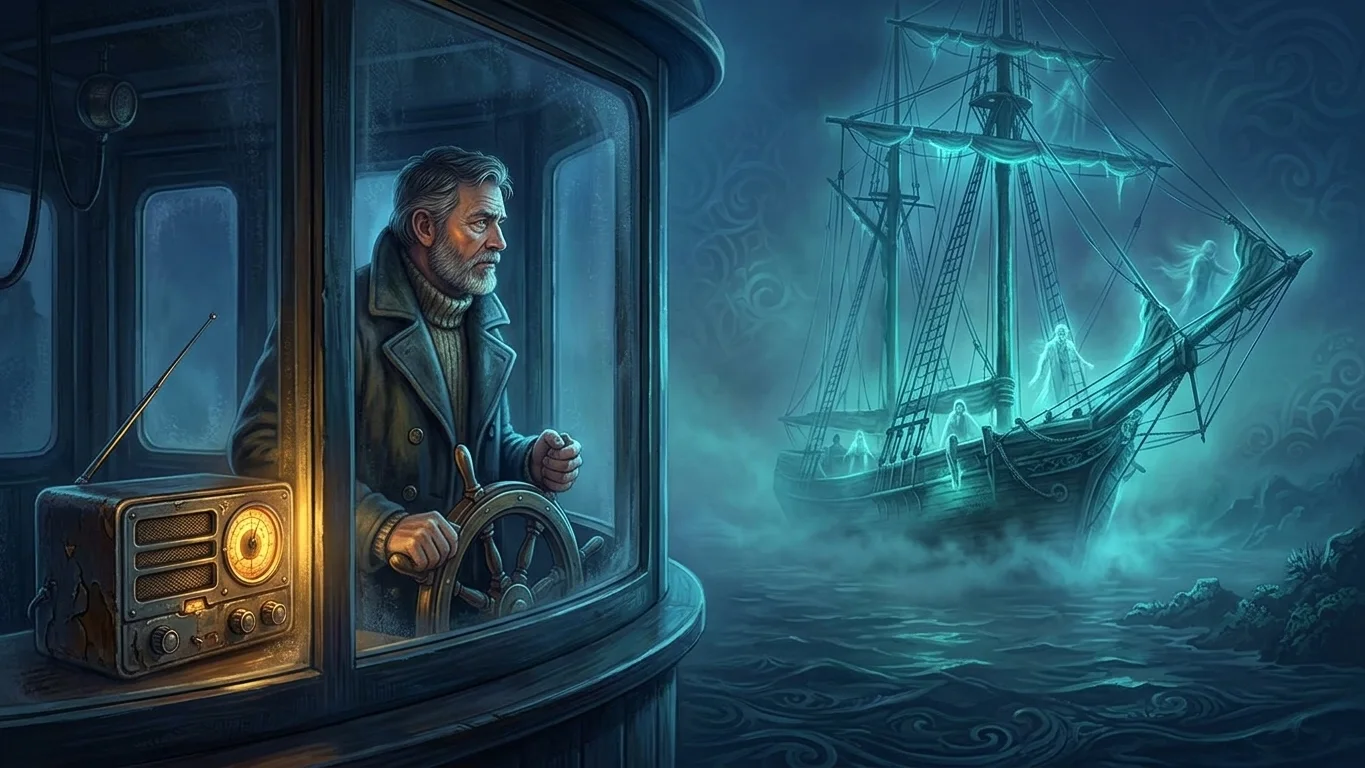
Right behind her was the SS Arthur M. Anderson, built back in 1952 and still out there hauling taconite across the lakes today. Captain Jesse Cooper and his crew on the Anderson were fighting the exact same mountainous seas, watching the Fitzgerald on their radar screen and guiding her toward the bay because the Fitz was running blind. We all know the last words that came across the radio from Captain McSorley: "We are holding our own." A few minutes later, the snow squall cleared for a moment, and the radar screen on the Anderson showed nothing but empty water where the biggest, proudest boat on the lakes had been.
People still argue over what dealt the final blow. Maybe she bottomed out on Six Fathom Shoal up by Caribou Island, tearing her belly on the rock. Maybe three massive sisters, those rogue waves Superior is famous for, piled onto her deck all at once and drove her bow down so deep she could never lift it back up before the hatch covers caved in. Nobody left alive was on that deck to tell us for sure. What I never forget is what the Anderson did next. Having barely survived that storm herself, she reached the safety of Whitefish Bay, and when the Coast Guard asked if she would turn back around into hurricane-force winds to look for survivors, her captain and crew went right back out into the teeth of it. That is the code of the lakes.
Why the Midwest Holds On
Sometimes people from the coasts are surprised by how fiercely Midwesterners guard the memory of the Edmund Fitzgerald. If you grow up around Michigan, Wisconsin, Minnesota, Ohio, or Ontario, these big boats are part of your landscape. You see them sliding past the beaches in the summer while you are eating an ice cream cone. You wait at the bascule bridges in Cleveland or Chicago while a tug nudges a giant hull around a tight river bend. You see them tied up under the giant concrete grain elevators in Buffalo or kicking up coal dust in Toledo.
When the Fitzgerald was launched back in 1958, crowds lined the riverbanks just to catch a glimpse of her. She set haulage records season after season. Her captain liked to play music over the intercom while she passed through the Soo Locks, and tourists stood at the railings waving at the deckhands like they were royalty. She belonged to the working people of the heartland.
The men aboard her were our neighbors. They were fathers, grandfathers, uncles, and young fellows fresh out of small towns who went out on the boats to earn an honest living for their families. When she sank without sending a single distress call, it broke the heart of every port town from Duluth to Ashtabula. It reminded everyone on shore that the steel in their cars and the electricity in their houses came at a steep human price. Then Gordon Lightfoot wrote that ballad, and he got it right. He did not dress it up with false drama. He sang it straight and solemn, like a church bell tolling across gray water, asking the one question every sailor has wondered in the dark: "Does anyone know where the love of God goes, when the waves turn the minutes to hours?"

How We Keep the Watch
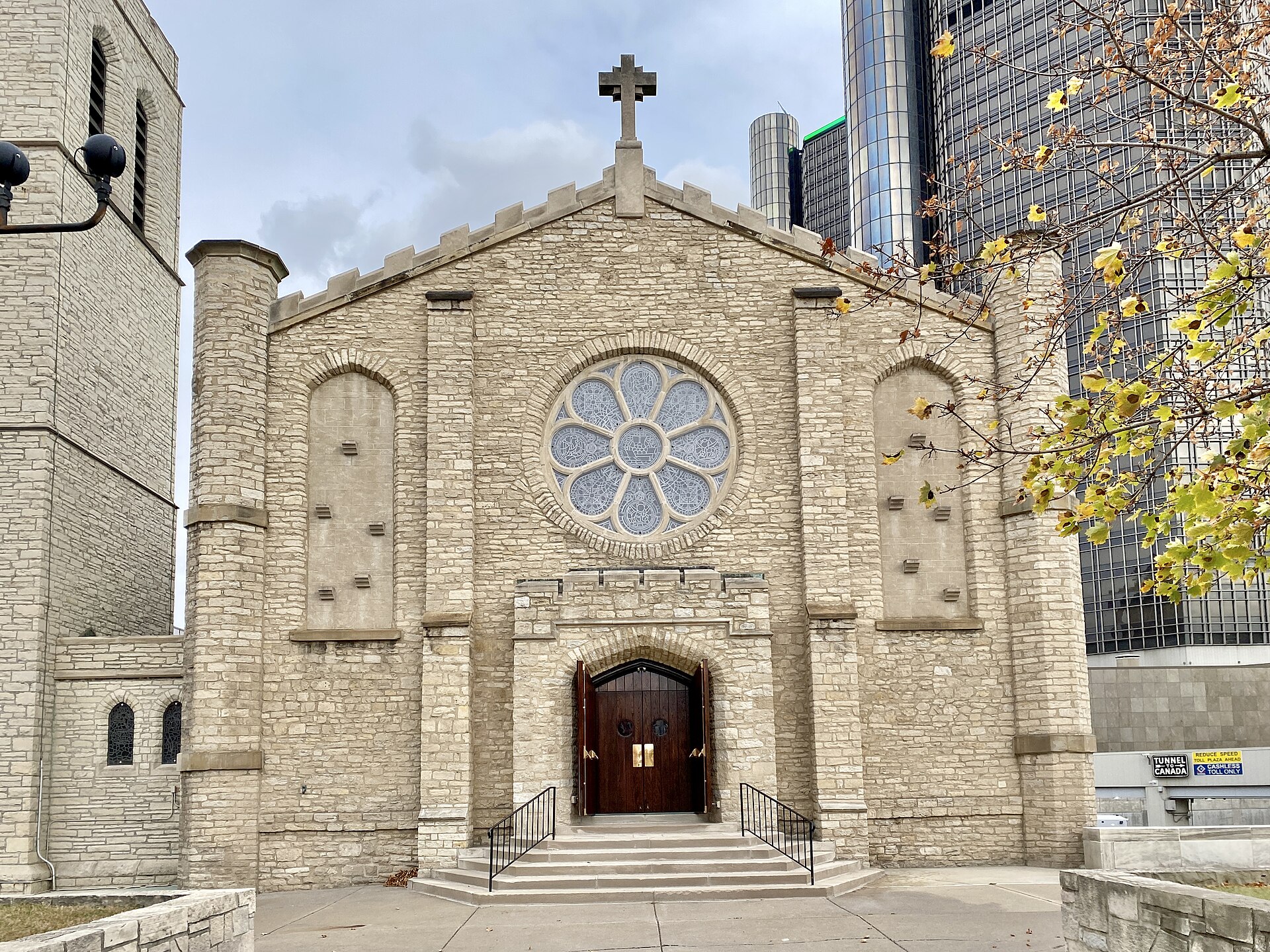
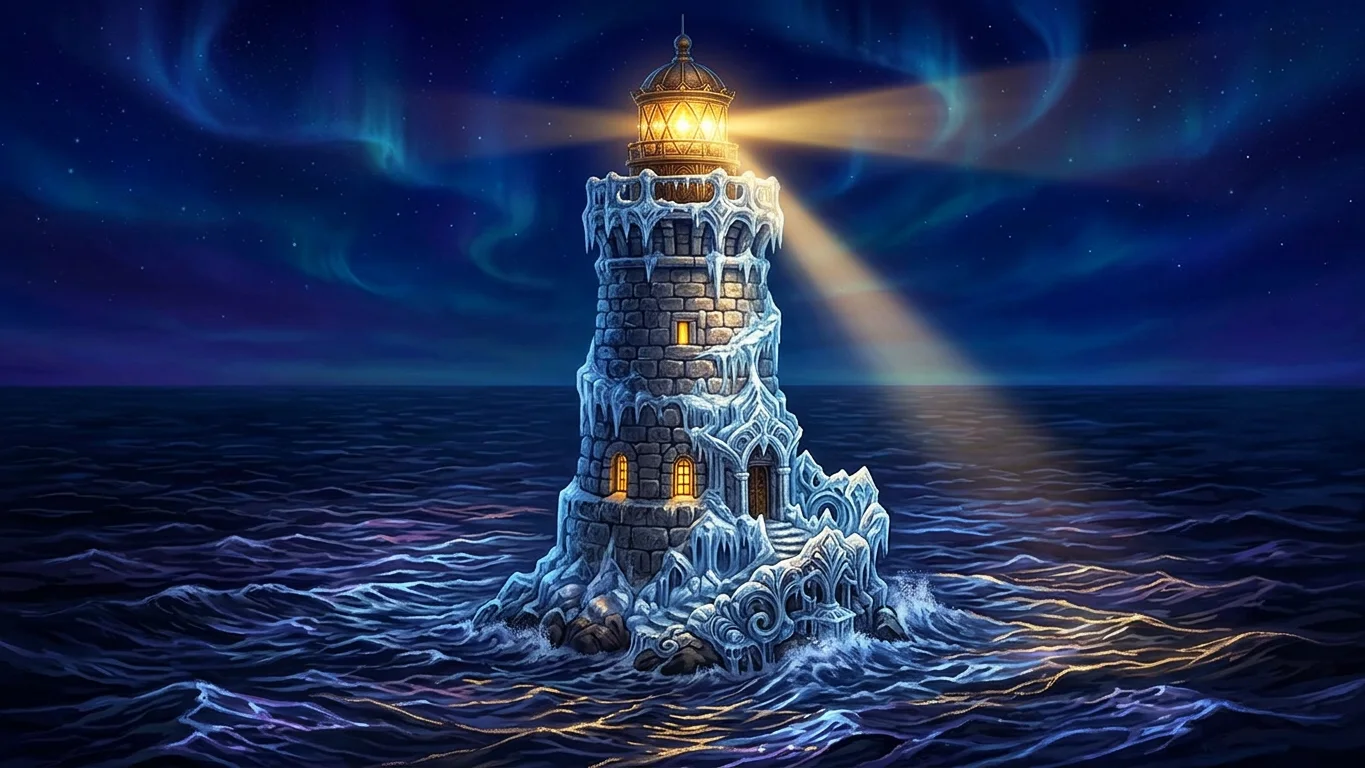
A man is never truly lost at sea so long as someone on shore remembers his name. Up at the Mariners' Church in Detroit, and out at the lighthouse on Whitefish Point where the ship's bronze bell now rests, they still ring the bell twenty-nine times every November tenth. Once for each man on the crew roster, from the captain in the pilothouse down to the porters in the galley.
I have my own way of keeping the watch. I wake up early on the tenth, before the sun even tries to break through the gray clouds, and I put Gordon Lightfoot's song on. I listen to it twenty-nine times before the day is through. I do not play it as background noise while I am fixing breakfast or tidying up. I sit with my pipe, look out toward the water, and give each play to one of those twenty-nine souls. It hurts every single year, and it ought to. If it ever stopped hurting, it would mean we had grown cold to what those men went through in those last dark minutes.
When the evening comes down and the twenty-ninth play finishes, I put on my coat and captain's hat and head down to meet a few old friends. We sit together in the warmth of the tavern, order a round of Edmund Fitzgerald Porter from Great Lakes Brewing, and raise our glasses. We do not make grand speeches. We talk about the boats we knew, the storms we rode out, and the men who never made those last fifteen miles into the bay. Next time you look out over the big water on a cold autumn evening and see the running lights of a freighter creeping along the horizon, tip your cap to her, whisper a prayer for the guys on watch, and remember the twenty-nine.