 by Captain Oat

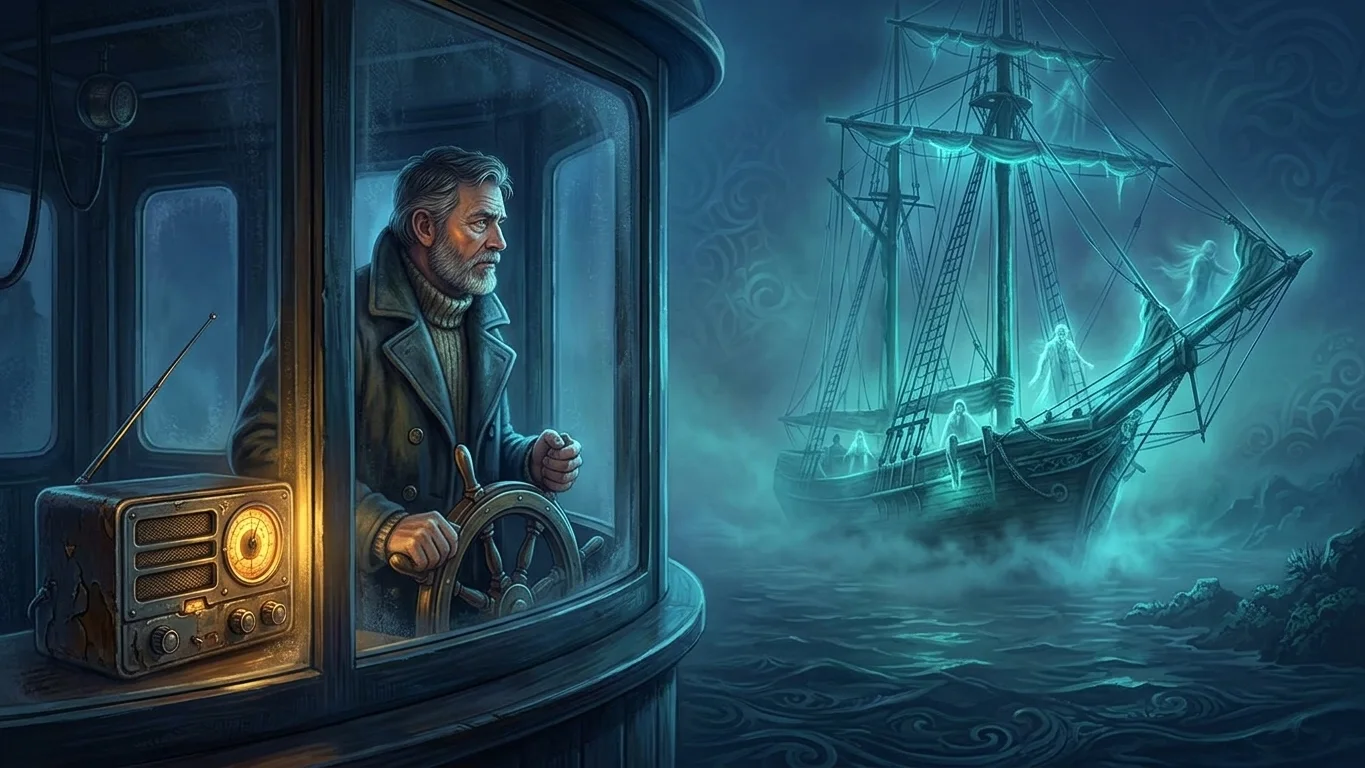
Twenty-four miles off the tip of the Keweenaw Peninsula, a submerged mountain of stone rises toward the surface of Lake Superior. The old charts and the sailors who feared it called it the Stray Rock. Today, it is known as Stannard Rock Lighthouse, the loneliest place in North America. I will give you the story of that reef straight: some parts are ironclad fact written in stone and steel, and some parts are the kind of dockside lore that gets passed around by the crews who work these waters. I do not have every last scrap of paper to prove what happened out on that ledge, so I will let you decide how to fill in the seams.
Trapped inside eight feet of stone
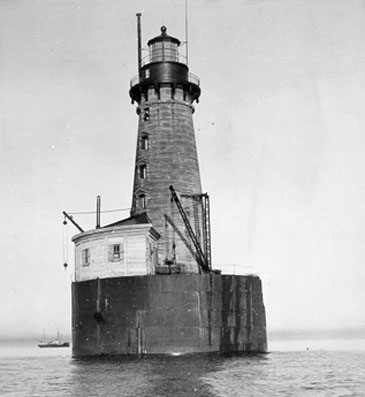
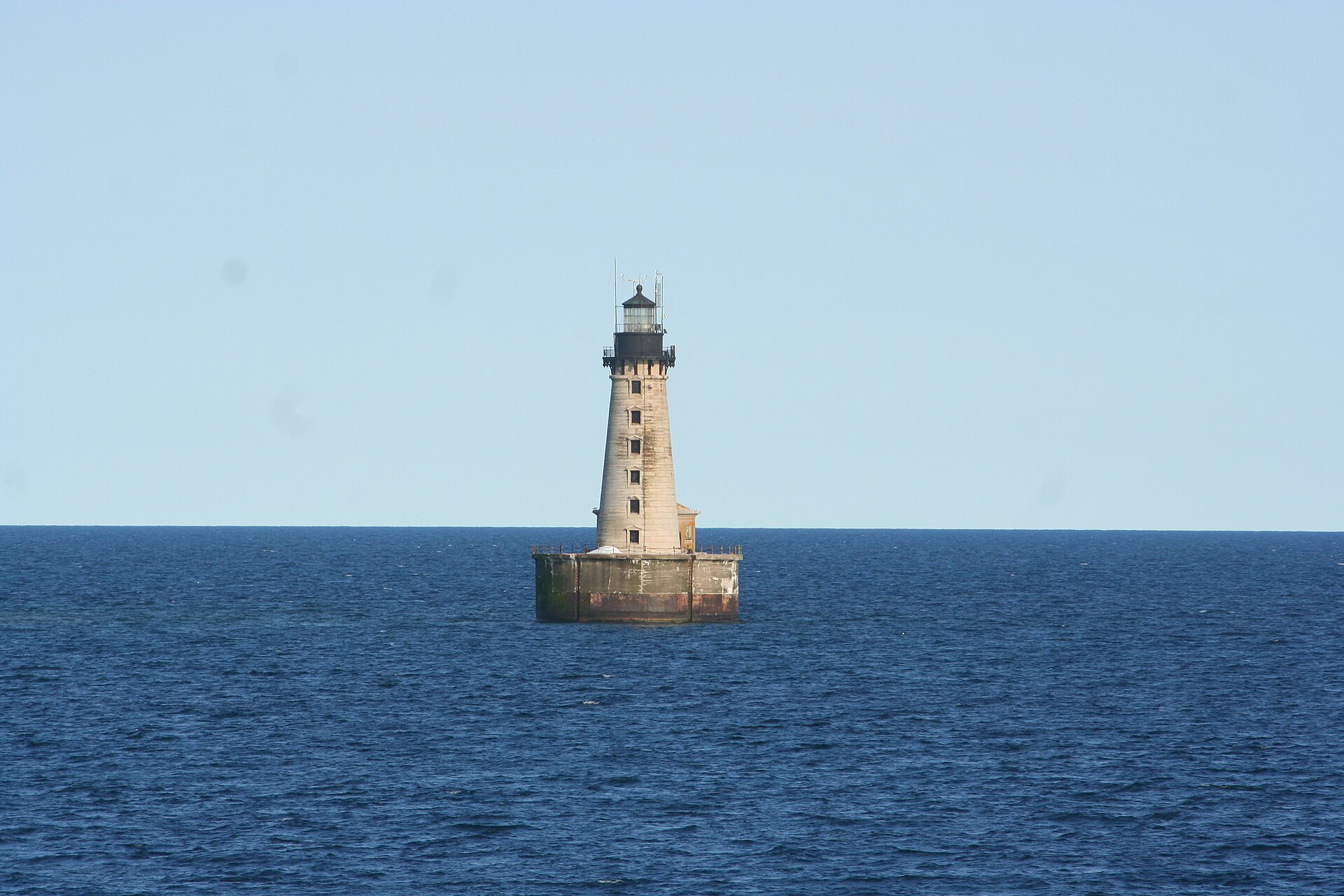
When the engineers went out to build a lighthouse on a submerged reef five miles long, they had to tow a massive timber and iron crib all the way out into open water, sink it onto the ledge, and fill it with concrete and stone. There is no island at Stannard Rock. There is no beach, no tree, no blade of grass, and no soil to stand on. There is only a round concrete pier rising straight out of the deep lake, topped by a stone tower over a hundred feet tall.
They called it a stag station because no woman was ever allowed to live out there. At the base of the tower, the stone walls are eight feet thick. Stepping inside was like walking into a vertical tomb. The keepers went out to tend the light with nothing to look at but curved masonry inside and an empty, circular horizon outside that looked the exact same in every direction. When the winter gales came screaming down from Canada, green water went right over the top of the lantern room, and the spray froze around the tower until the whole structure looked like a giant candle dipped in tallow.
A keeper could not go for a walk to clear his head. He could only pace in tight circles up and down the winding iron stairs, listening to the wind howl through the gallery railings and the ice boom against the crib twenty-four miles from another human voice. That kind of tight, stone-walled quiet does things to a man's head.
Chipping through the April ice
The yarn that still makes the hair stand up on the back of my neck comes from a late April long ago, when the spring crew fought their way through the rotting pack ice to open the station for the new shipping season and relieve the three men who had been left on the winter watch.
It had been a brutal, lingering winter, and twenty-four miles out, the drifting floes were still piled high around the reef. When the supply boat nudged up toward the crib, the men on deck saw right away that something was wrong. The entire lower half of the stone tower was encased in a solid shell of glare ice. There was no coal smoke curling from the stack, and nobody came out on the high gallery deck to wave a cap or catch a heaving line.
The relief crew had to go over the side onto the slick concrete pier with pickaxes, crowbars, and heavy mauls. For hours, the only sound out there on the open lake was the ring of iron pick against ice... clink... clink ....clink ... They had to chip through two solid feet of clear, rock-hard glare ice just to reach the heavy iron door and free the frozen latches at the base of the tower.
When they finally hammered the last of the frost loose and threw their weight against the door, it swung into dead silence. They stepped inside the eight-foot walls and called out for the keepers. The tower echoed back at them, hollow and cold. Yet as they climbed the winding iron stairs, they realized the place was far from neglected. Every piece of brass along the stairwell was polished until it gleamed like a newly minted coin. Up in the lantern room, the great glass lens was spotless, and the wicks on the lamps were freshly trimmed, ready for the match.
Down in the round living quarters, it got stranger still. The table was neat, the bunks were squared away, and sitting right there on the galley stove was a tin pot of coffee. One of the relief men laid his bare palm against the side of the pot. It was still lukewarm. He walked over to the desk and looked down at the station logbook, expecting to see an entry from that very morning. Instead, the last ink in the book had stopped three weeks earlier. Three full weeks without a word written down, behind a door sealed under two feet of solid ice, yet the coffee had not gone stone cold. When the searchers went back outside to check the crane and the falls, the station lifeboat was still hanging tight in its davits, lashed down under a thick coat of ice. All three keepers had simply vanished off a rock twenty-four miles from land.
The watchman on the catwalk
People ashore love to debate how three grown men disappear from a sealed stone cylinder in the middle of Lake Superior while leaving a warm pot on the stove. Sailors do not debate it much. Even after the Coast Guard pulled the last living crews off the rock and turned the light over to automation in the early 60's, passing that tall cylinder of stone gave men on the lake boats an eerie tightness in the chest.
The old two-tone diaphone foghorn on the rock was shut down when they automated the tower, replaced by a weak little electronic beep that barely carried across the swell. Yet crews creeping past the reef in the spring mist have heard that unmistakable, deep-chested roar of the old steam diaphone: a high blast, then a low grunt that you feel right in your breastbone. Only it sounds off-timer and out of rhythm, like a tired keeper is working the valves by hand inside those thick walls.
Raise a pair of binoculars to the iron catwalk eighty feet above the water, and the reef gives up one more secret. Standing right against the railing, leaning out over the round crib, is a solitary figure in heavy yellow oilskins and a sou'wester hat. He keeps one gloved hand shading his eyes, staring south toward the shipping lane, waiting on a spring relief boat that is decades overdue. Then a bank of low mist drifts across the masonry, the old horn lets out one last low groan across the cold water, and there is nothing left on that gallery deck but bare iron and wind.