






 by Captain Oat
When November settles over Lake Superior, the water turns the color of cold lead. A man who has stood his watches for forty years aboard the big ore boats learns to recognize the smell of it before the ice even begins to form in the hawseholes. It smells like damp iron, pine needles swept down from the Canadian shore, and snow waiting in the clouds just past the horizon. If you live long enough on freshwater, you learn that Superior does not behave like an ocean. The sea gives you room to drift when the engines fail. The lakes give you rock shores, shoals built like cleavers, and gray water that will freeze a swimming deckhand in under ten minutes.
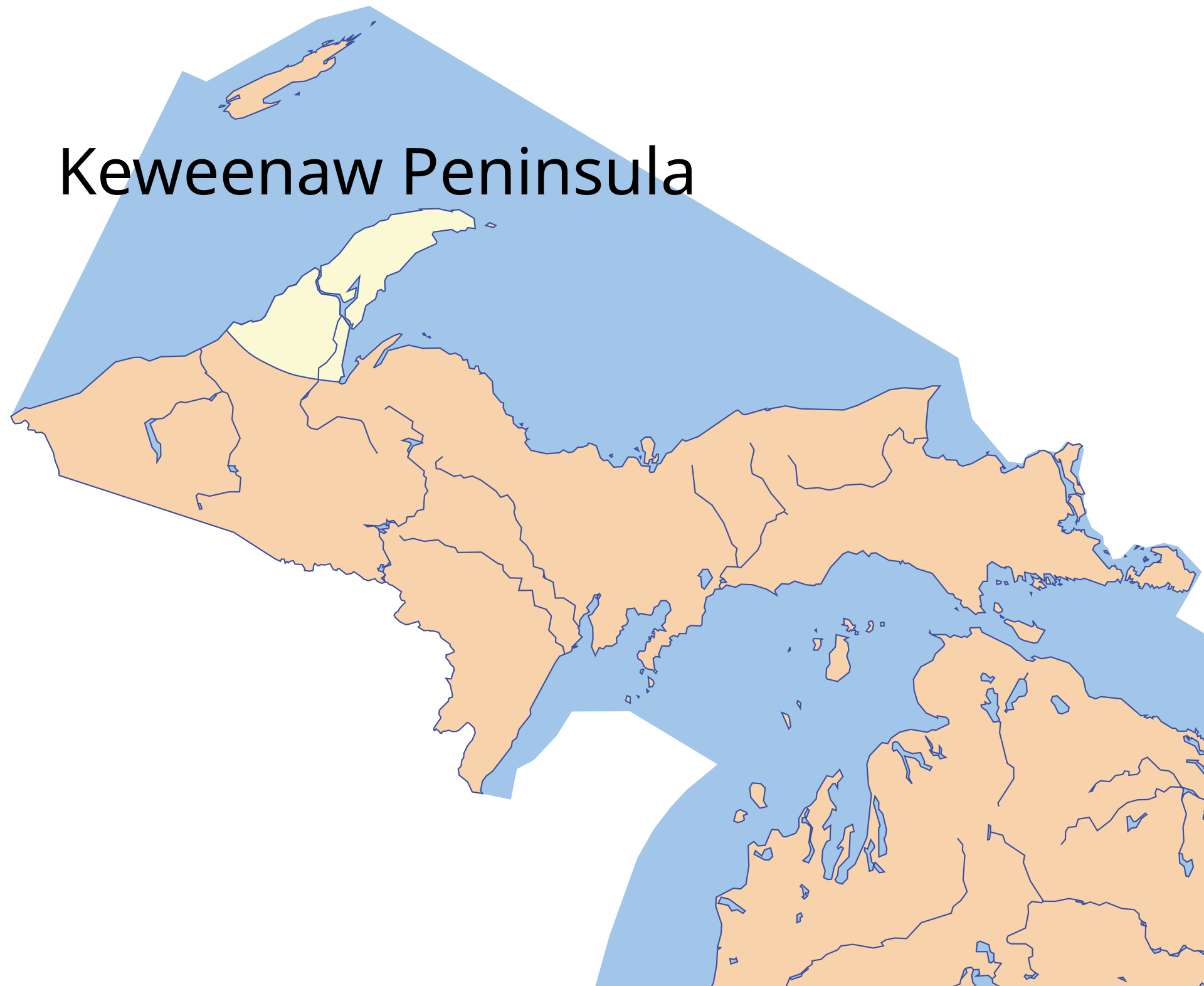
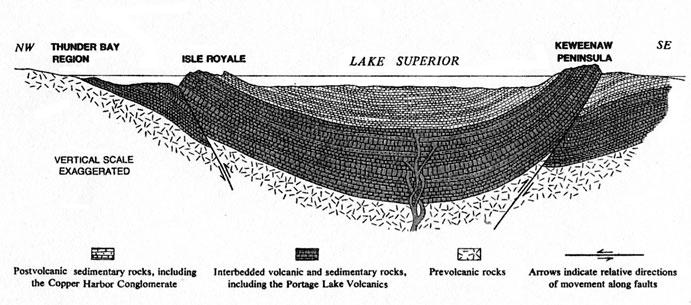
Out around the Keweenaw Peninsula, that danger doubles. The land hooks out into the belly of the lake like a crooked copper finger, catching every northwest blow that comes barrelling down from Isle Royale. Down below the surface sit shelves of sandstone and basalt waiting to peel the bottom plates right off a hull. I spent decades carrying taconite pellets and grain across those lanes, nudging through the Soo Locks with feet to spare and bringing heavy steel down through gray swells. Yet the run that stays sharpest in my memory did not happen behind the plate glass of a thousand-foot freighter. It happened on the bridge of a stubby harbor tug, running blind in the thickest November pea soup I ever saw. The Long Memory of Freshwater
People who spend their lives on dry ground often think sailors tell ghost stories just to pass the hours between watches. They do not realize how lonely a wheelhouse gets at three in the morning when the searchlights can only show you an arm's length of white fog. A freshwater sailor respects what the lake holds. Salt water rots timber and eats iron until a sunken hull turns into silt, but Superior keeps its dead intact. Down in the deep troughs where the water stays four degrees above freezing all year long, ships do not decay. They wait.
We grew up hearing about the iron freighter SS Hudson, which foundered off the Keweenaw back in September of 1901 with twenty-five souls aboard. For decades afterward, old-timers claimed they saw her rusty gray hull running through the vapor without a whisper of steam coming from her stack, slipping past the shipping lanes before anyone could raise her on the radio. My grandfather Cornelius, who spent his life pulling walleye and pike out of these inland waters, used to tell me that Superior never gives up its ghosts because the lake never truly sleeps. He was a quiet Dutchman with hands like cured leather, and he taught me to listen to the hull before looking at a gauge. If the iron groans, he would say, you give the lake its room. My mother used to threaten him with a wooden spoon whenever he came home late from the dockside taverns spinning those yarns, but out on the open deck, those old warnings stayed tucked behind my collar like a wool scarf.
Blind Steaming off the Copper Finger
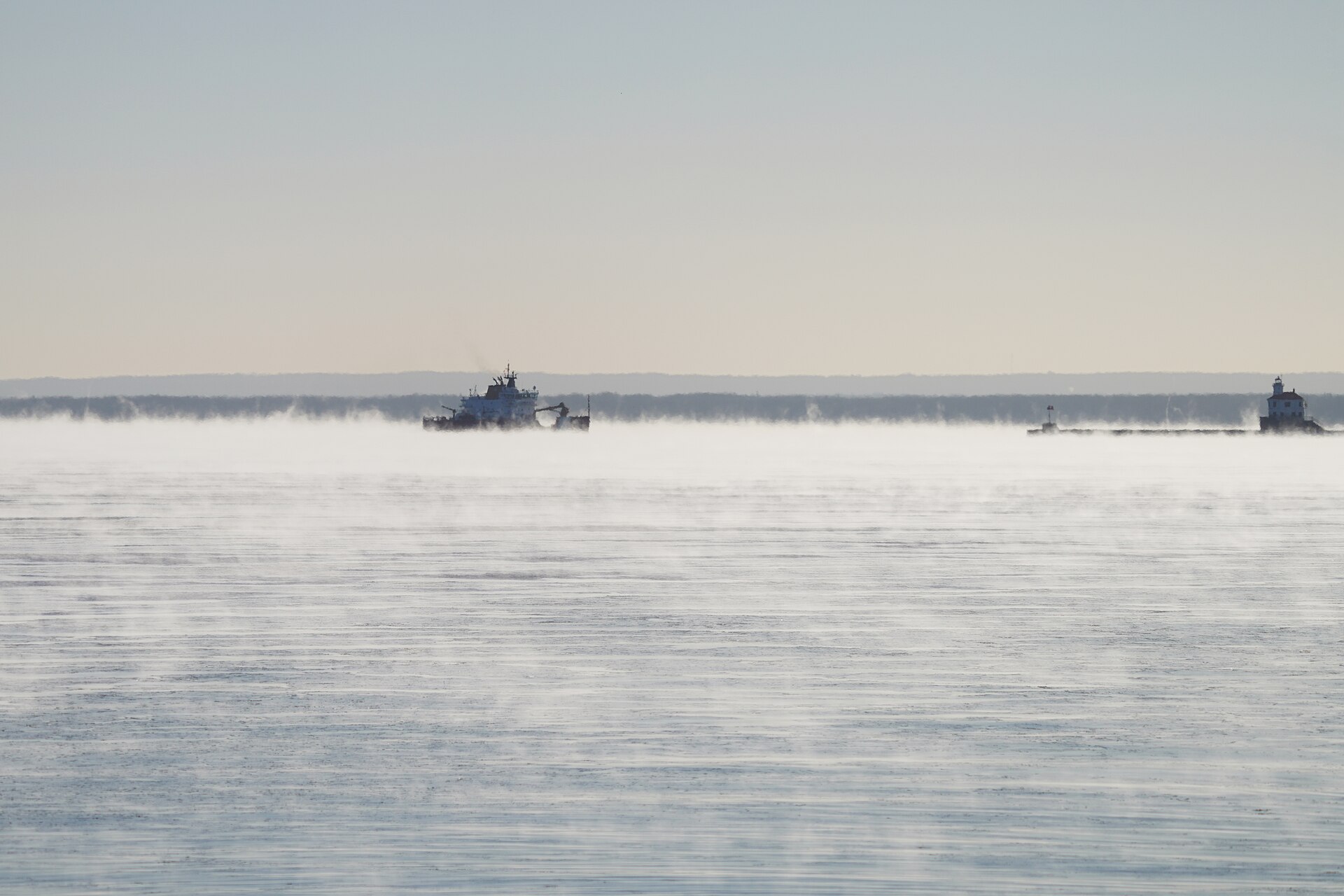
The year I took that tug north, winter arrived before the shipping season had even thought about shutting down. The gales of November came early, dragging heavy vapor off the bays and plastering the pilothouse windows with wet slush. We were working our way east around the Keweenaw, trying to skirt the outer reefs to find shelter. The radar of that era was primitive compared to the electronics they fit onto the modern fleet, and in that cold soup, the screen was cluttered with sea return and blind ghosts. You could not tell a three-foot wave from a granite boulder until you heard the gravel scrape your keel.
The air had gone dead still, which is always the worst sign on the upper lakes. When the wind drops flat in late autumn, the lake breathes out a fog so thick it swallows the running lights on your own bow. I had my hand on the throttle, listening to the steady chug of the diesel engine, but my knuckles were white. Out there, five miles off course means you are either safe in three hundred feet of water or climbing straight up the back of an uncharted reef. We were running strictly on dead reckoning, a magnetic compass that liked to swing whenever the heater kicked on, and whatever prayers a former Grand Valley linebacker could muster up while staring into an empty void.
A Voice on the Static and the White Canvas
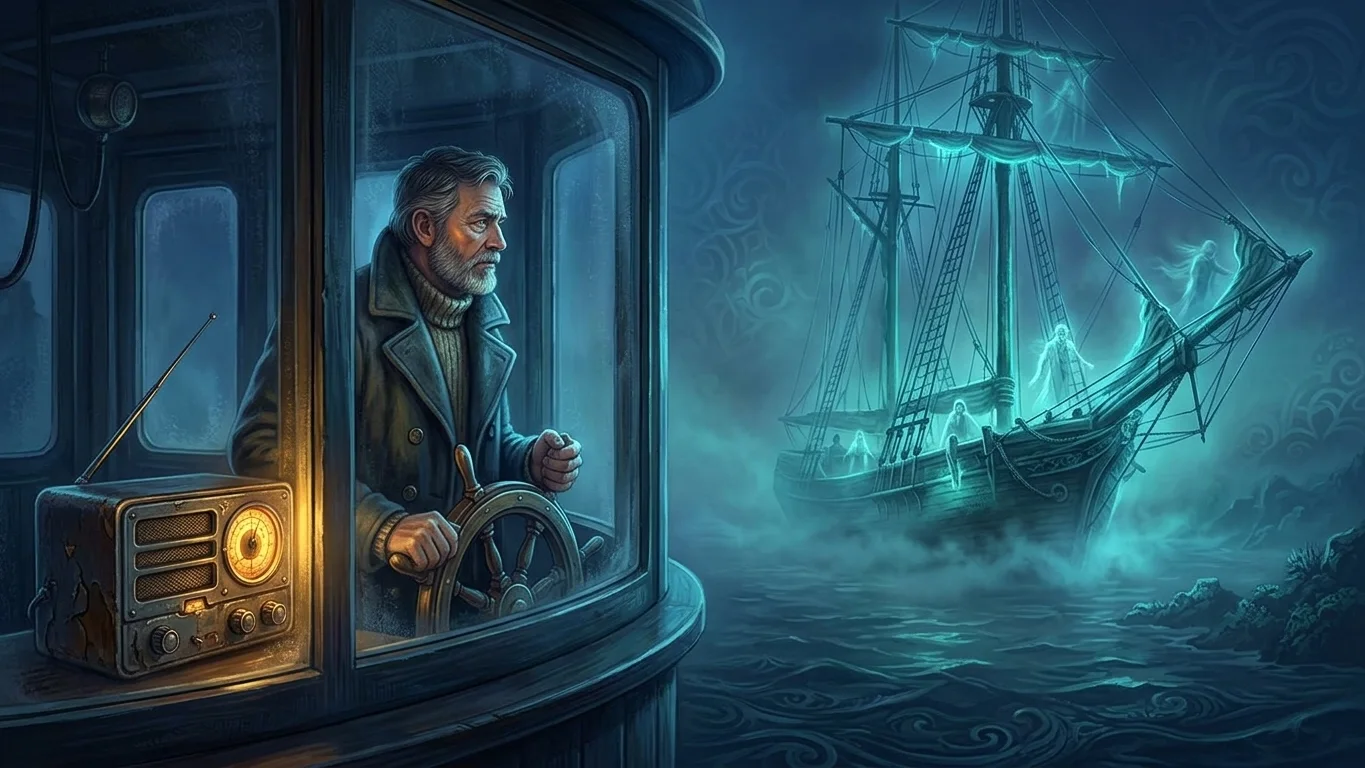
That was when the radio started to act up. It was not the usual chatter between downbound grain carriers or Coast Guard notices from Sault Ste. Marie. It was a dry, hollow scratch, like somebody scraping a file across an iron kettle. I leaned over the console to fiddle with the squelch knob, trying to tune out the hiss, when a voice came through clean as an autumn church bell.
Otis, lay your helm ten degrees south. The shelf is right under your boots.
It was Cornelius. He had been resting in the cemetery down in Ottawa County for over a decade, but nobody on this earth ever spoke my name with that flat Dutch drawl the way he did. Before I could even drop the microphone, the fog parted thirty yards ahead. There was no modern horn, no diesel rumble, and no running lights. Slicing right across our starboard bow came a three-masted wooden schooner, her rigging running white with rime ice, silent as a feather dropping onto snow.
Her sails were patched canvas, belly-full of a wind that none of us could feel on our faces. She cut across our course so close I could hear the creak of her wooden blocks and the hiss of freshwater curling off her cutwater. Standing at the big wooden wheel on her quarterdeck was a figure in a heavy wool coat, staring straight back at my pilothouse. When he turned his head into the wheelhouse glow, the blood stopped in my veins. The man at that helm had my own jawline, my own broad shoulders, and the face I used to see in the mirror back when I was twenty years old, running sprints on the practice field in Allendale.
The Teeth of the Reef
I did not stop to reason it out. A sailor who hesitates when a hull crosses his bow ends up on the bottom. I dragged the steering wheel hard over, throwing the tug into a violent heel that sent coffee mugs crashing across the galley below. The diesel roared as I brought us around on the course that impossible voice had named. As our stern swung wide, the wake of the turn washed across a patch of shallow water not twenty feet off our port quarter. In the pale glare of our deck lights, the gray fangs of a rock reef broke the surface, slick with kelp and surrounded by churning foam. If we had kept our heading for another sixty seconds, that rock would have ripped the rudder off and opened the tug from stem to stern.
When I righted the vessel and looked back over my shoulder, the schooner was gone. There was no wooden hull, no torn canvas, and no ripple on the water except for the wash from our own propeller. Just the endless, rolling banks of November fog and the steady beat of our engine pushing us toward deep water. We made it down into the safety of the lower bays that evening, tied up, and never spoke a word of it to the company inspectors. Some things do not belong on an official log sheet.
What the Freshwater Keeps
Every year when November tenth rolls around, I pour myself a glass of Edmund Fitzgerald Porter and sit by the window while Gordon Lightfoot sings about the twenty-nine men who never made those final fifteen miles to Whitefish Bay. That tragedy broke something in the heart of every laker who ever held a ticket, and it reminds us that Gitche Gumee takes what it wants without offering an apology. We carry the weight of those men every time the wind begins to blow out of the north.
Yet I know the lake keeps more than just sorrow in its deep pockets. Sometimes, when the fog shuts down the shipping lanes and the water turns minutes into hours, something older and kinder steps onto the quarterdeck. Whether it was Cornelius, my own younger shadow, or some forgotten schooner that wrecked a century ago trying to keep another crew from joining her on the stones, I cannot say. All I know is that the reef was real, the cold was real, and the phantom rigging showed me the way home.