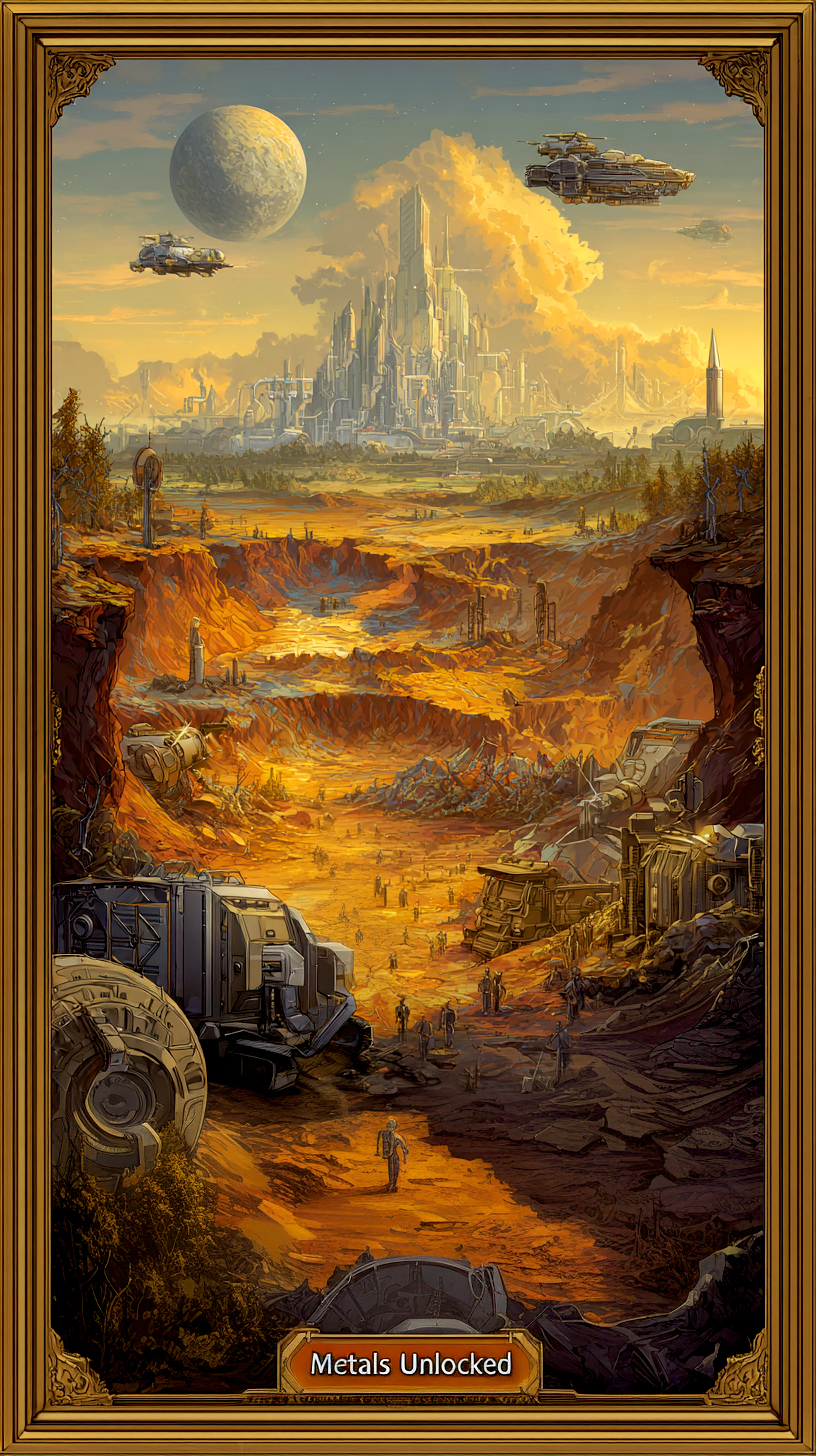







 by Canadian Artist Matt Vegh
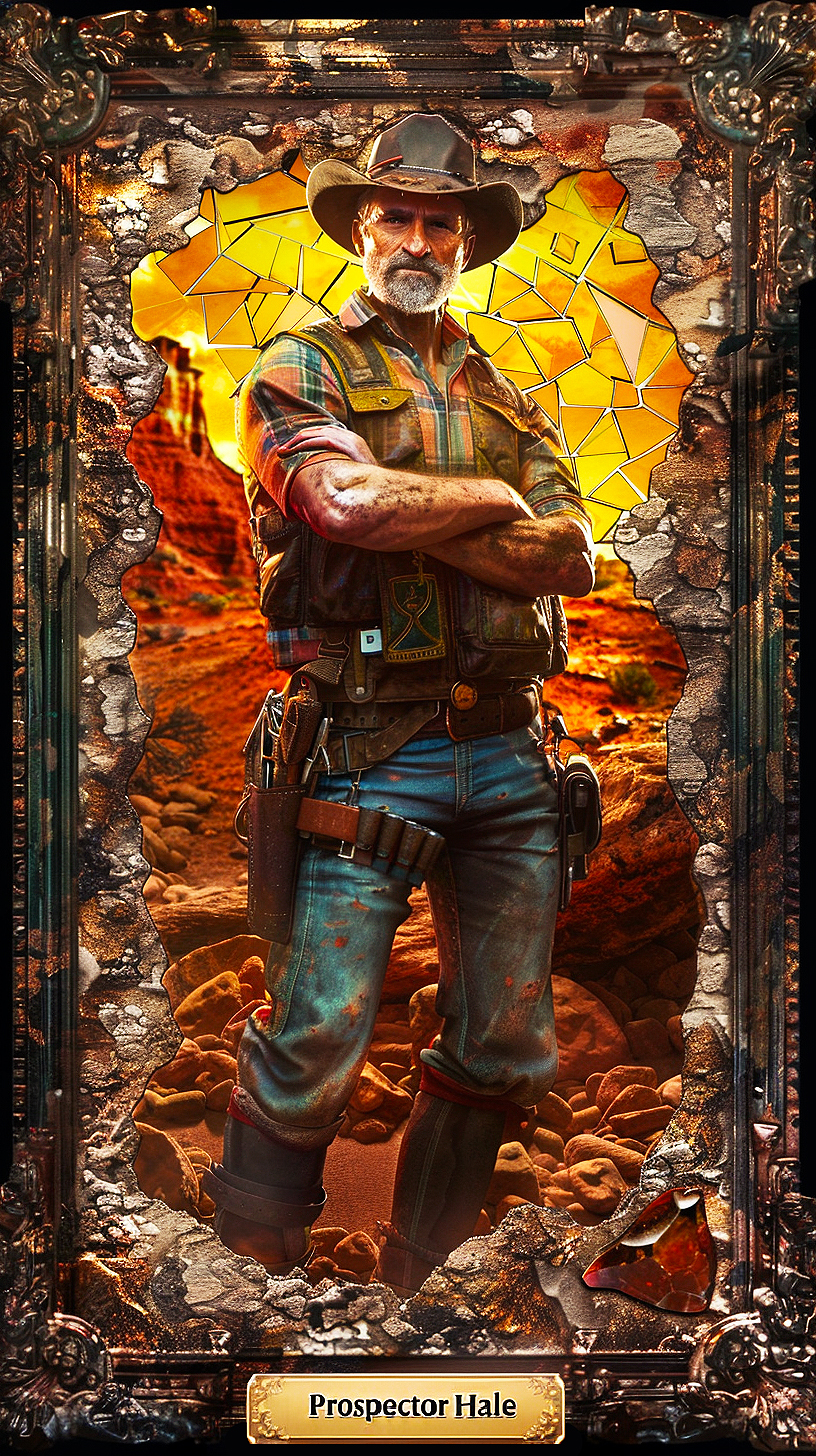
More Than Just Dirt
I’ve spent the better part of my life chasing veins of gold and pockets of silver across the American West. Most folks think mining is all about the shiny stuff that ends up in a wedding ring or a smartphone. But lately, I’ve been thinking more about the minerals that end up in our guts. You can’t eat a semiconductor, though some folks in D.C. act like you can. If you want to talk about true strategic independence, you have to talk about the 'Big Three' of agriculture: Nitrogen, Phosphorus, and Potassium.
We call them N-P-K on the back of a fertilizer bag, but in the field, they represent the difference between a bumper crop and a breadline. In the mining world, minerals like phosphate and potash are the quiet workhorses. They don’t get the 'hero' treatment in the press like lithium or cobalt, but if the supply chain for these 'boring' minerals snaps, the grocery store shelves go bare a lot faster than the electronics aisle.
The Alphabet Soup of Permitting
If you think a gold claim is hard to get through the system, try opening a new phosphate mine in Florida or sinking a potash shaft in the Southwest. You’re walking right into the teeth of the same 'alphabet soup' of hurdles that have mothballed many a good operation. We’re talking NEPA reviews, BLM land-use fights, and water-rights skirmishes that can last decades. The 'permit circus' doesn’t care if you’re digging for the future of green energy or the future of dinner; it just slows everything down to a crawl.
“The irony is that these minerals are just as strategic as rare earths, but they don't get the same respect. We’ve spent decades outsourcing the 'dirty' work of digging, only to realize that having the permit for the mine is just as important as having the keys to the granary.”
The scale of these operations is what really sets the regulators on edge. You aren’t looking for a narrow vein of high-grade ore; you’re looking at massive, industrial-scale earth-moving. That means the environmental scrutiny is dialed up to eleven. Folks get real nervous about water when you’re talking about fertilizer mining, and rightfully so, but the current system doesn’t distinguish between a well-run, modern operation and a disaster waiting to happen. It treats everyone like a villain until proven otherwise.
The Global Chessboard and the Chinese Factor
There’s a common misconception that because America has plenty of land, we must have plenty of fertilizer. The truth is a bit more lopsided. Take potash, for instance. We are heavily dependent on imports. We’re lucky that our neighbors in Canada have plenty of the stuff, but relying on any single source makes a man like me nervous. Outside of Canada, the big players are Russia and Belarus. Relying on them for our food security is about as wise as trusting a coyote to guard the henhouse.
And don’t count China out of this fight. They are a massive player in the phosphate market. China is the world’s largest producer, and they’ve shown they aren’t afraid to slap export bans on their minerals to keep their own domestic prices down. When they do that, the global market catches a cold, and our farmers end up paying the bill. It’s the same long game they play with rare earths, while we’re still trying to figure out where we parked the tractor.
The Alchemist’s Gauntlet: Refining the Raw
Even if you manage to get the rock out of the ground, you aren’t home free. You can’t just toss a chunk of phosphate rock on a field and expect results. It has to be processed. This is what I call the 'Alchemist’s Gauntlet.' For phosphate, that means reacting the rock with sulfuric acid to create phosphoric acid, which is then turned into products like DAP (diammonium phosphate).
This refining process is a massive chemical operation. It produces significant waste, like those giant 'gyp stacks' you see down in Florida. In many cases, permitting the refining plant is actually harder than permitting the mine itself. If you can’t get the chemistry set approved, that ore in the ground is just a heavy pile of nothing. We have the resources in the West and the Southeast, but our own red tape at the processing stage is keeping us from being truly independent.
A Smarter Way Forward
At the end of the day, we need to realize that our food security is tied directly to the dirt beneath our feet and our ability to process it. We need a permitting system that is rigorous but realistic. We can’t keep outsourcing our fundamental needs to countries that don’t have our best interests at heart.
A hungry country is a lot harder to manage than one that’s just missing its latest tech upgrades. It’s time we treat phosphate and potash with the same urgency we give to lithium. It’s all part of the same ground, and it all needs a smarter way forward. We’ve got the grit; now we just need the gauntlet to be a little less restrictive.