





 by Canadian Artist Matt Vegh
The Myth of the Digital Pioneer
There is a certain romantic fable that the crypto-evangelists love to tell around their digital campfires. It is the story of the sovereign individual, a modern-day pioneer clutching a hardware wallet like a homesteader guarding his plot with a Winchester. They shout 'not your keys, not your coins' into the void, believing that by holding their own private strings of alphanumeric code, they have finally escaped the clutches of the 'legacy' financial system. It is a fine sentiment for a manifesto, but as a business model, it is about as practical as burying your life savings in a Mason jar in the backyard and then forgetting where you put the shovel.
For years, self-custody was treated as a sacred rite of passage. But let us look at the ledger with a cold, sober eye. For a major institution or a person with more than a few thousand dollars to their name, self-custody is not a liberation; it is a liability nightmare. It involves redundant key management, exorbitantly expensive security protocols, and the constant, sweating fear that a single point of human failure, whether a lost piece of paper or a forgotten password, could result in total evaporation of wealth. The 'freedom' of being your own bank is, in reality, the burden of being your own vault-keeper, security guard, and insurance adjuster, usually without the training for any of them.
The Regulatory Sieve and the Rise of Compliance Theater
When the regulators finally finish their morning coffee and start knocking on doors, they are not looking for a decentralized ideal or a nebulous cloud of peer-to-peer transactions. They are looking for a neck to wring. They want a regulated entity they can subpoena, an office with a physical address, and a Chief Compliance Officer who looks like they haven't slept in three days. This is the catalyst for what I call the Great Consolidation.
The Illusion of Bankruptcy Remoteness
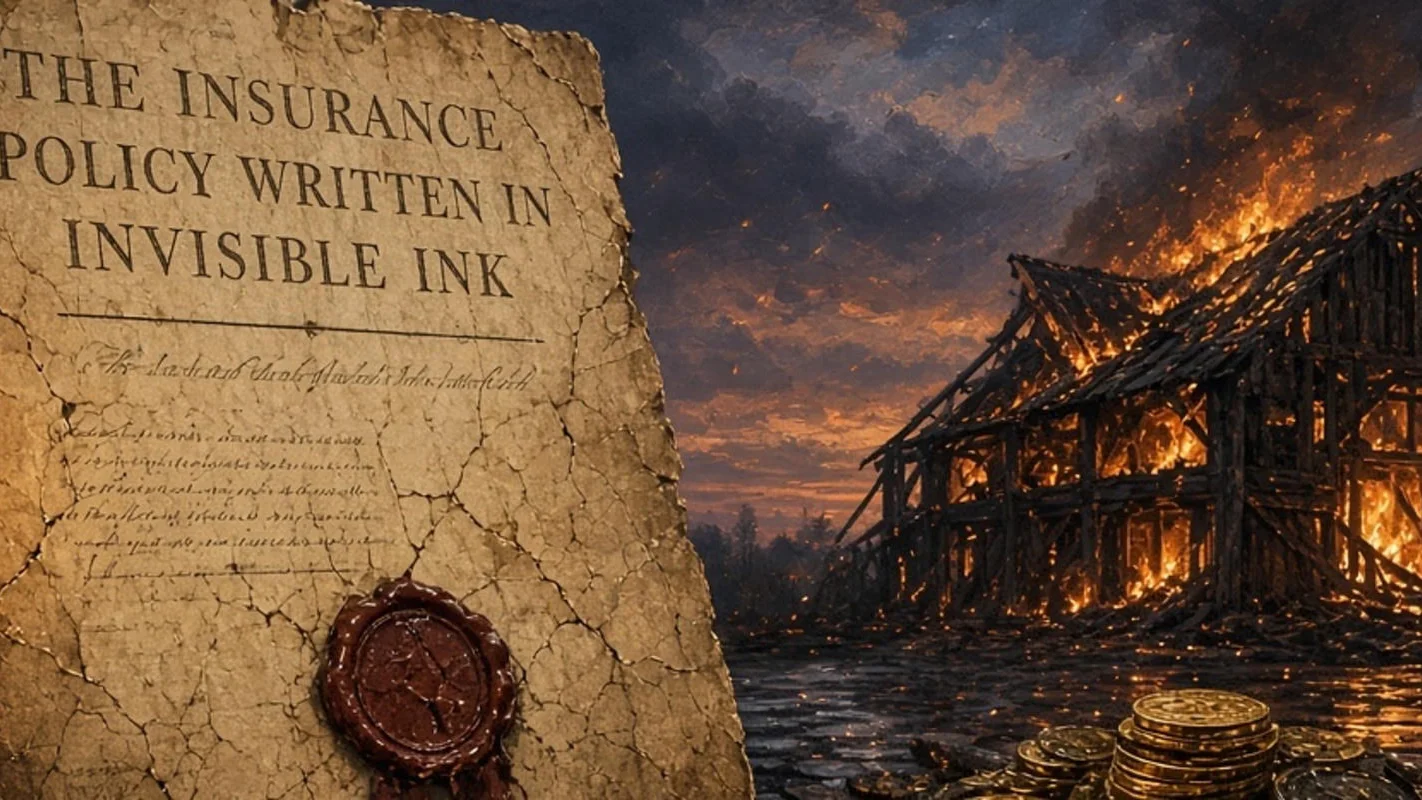
We are witnessing a mass migration. Digital assets are fleeing the 'wild' exchanges and the risky hardware wallets of amateurs, moving toward regulated custodians. These entities provide the very things the blockchain was supposed to make obsolete: insurance, SOC-audited controls, and the legal promise of bankruptcy remoteness. It is a fascinating bit of compliance theater. We are replacing the raw, visceral risk of a clever hacker with the institutional, slow-moving risk of a centralized vault. Investors are realizing that they would rather trust a regulated corporation with a balance sheet than a 'smart contract' that might have a back door wide enough to drive a truck through.
- Insurance: The promise that if the gold is stolen, someone pays you back.
- Capital Requirements: Ensuring the vault isn't empty when you come to collect.
- Regulatory Oversight: Having a grumpy man from the government check the books every quarter.
The Business of Keeping Things vs. The Hype of Creating Them
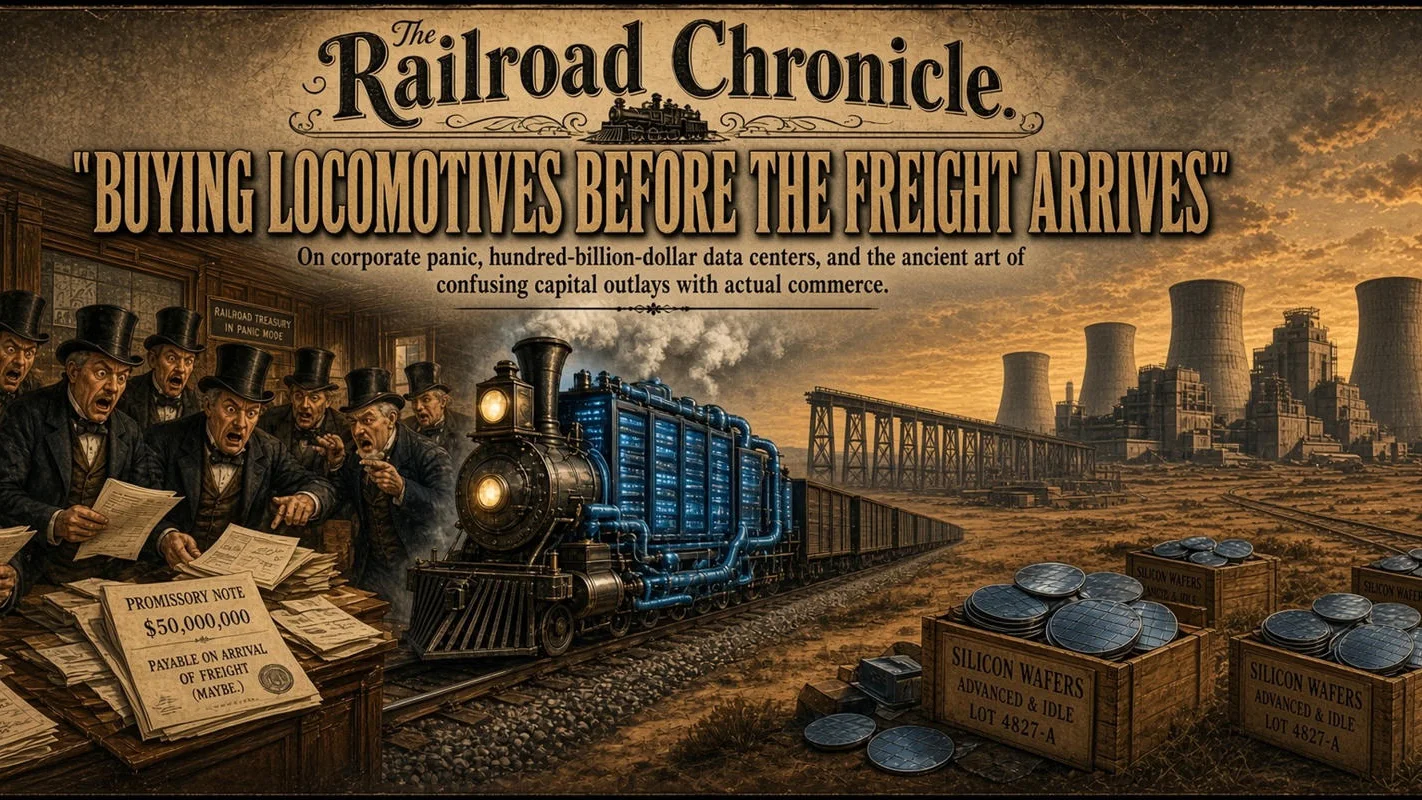
In the gold rush, the folks making the real money weren't the ones swinging pickaxes in the mud; they were the ones selling the shovels and, more importantly, the ones running the town's only secure safe. Today, we see a massive valuation gap between the hyped-up Layer 1 protocols, those digital 'highways' that claim they will change the world but mostly just move speculative tokens around, and the boring, sturdy custody businesses.
"True value in the digital age isn't found in the tokens themselves, but in the infrastructure that keeps them from vanishing into the ether."
While the latest 'revolutionary' blockchain might see its value crater by ninety percent in a week, the firms that charge a steady, unexciting fee to hold those assets are the ones building actual equity. They are valued on cash flow and institutional stickiness, not on the fickle whims of Twitter sentiment. This is where the 'pixels' meet the 'pavement.' The market is beginning to price in the reality that most people don't actually want to be their own bank, but they want someone else to contact or blame when things go wrong.
The New Cage: A Familiar View
The romantic era of the digital pioneer is drawing to a close. In its place, we are building a system that looks remarkably like the old one, just with higher electricity bills. If the so-called 'revolution' ends with your digital assets sitting in a regulated vault while you wait for a third-party authorization to move your own money, you haven't escaped the system. You have simply paid a premium for a more modern cage.
True non-custodial survivability is a ghost in the machine. It exists for the paranoid and the technologically gifted, but for the rest of the world, 'decentralization' has become a buzzword used to sell a centralized service. We are trading the anarchy of the frontier for the safety of the fortress. And while the fortress is certainly more comfortable, let us not pretend we are still living under the stars. We are right back where we started: trusting the man with the keys, only now the keys are digital and the man wears a suit tailored by Silicon Valley.