


 by Sammie

I was recently forwarded an X post by Caffeina (@CaffeinaWeb3) on the digital town square as one who had finally lost her patience with the state of modern gaming. She was shouting into the wind about the absurdity of these so-called Web3 projects that spend millions on coin mechanics and not a cent on making the thing actually fun. She called them "financial products with pixels". It was a rare moment of clarity in a room usually filled with the smoke of speculative hype.
It put me in mind of the old boomtowns in the West. People didn't move to those dusty corners because they loved the scenery or the company; they went because there was gold in the creek. The moment the gold ran dry, the town didn't just shrink; it evaporated. That is exactly what we are seeing with the current crop of digital pastimes. They aren't building worlds; they are building temporary casinos where the players are also the house, and everyone is looking for the exit sign.
The Soul of the Machine
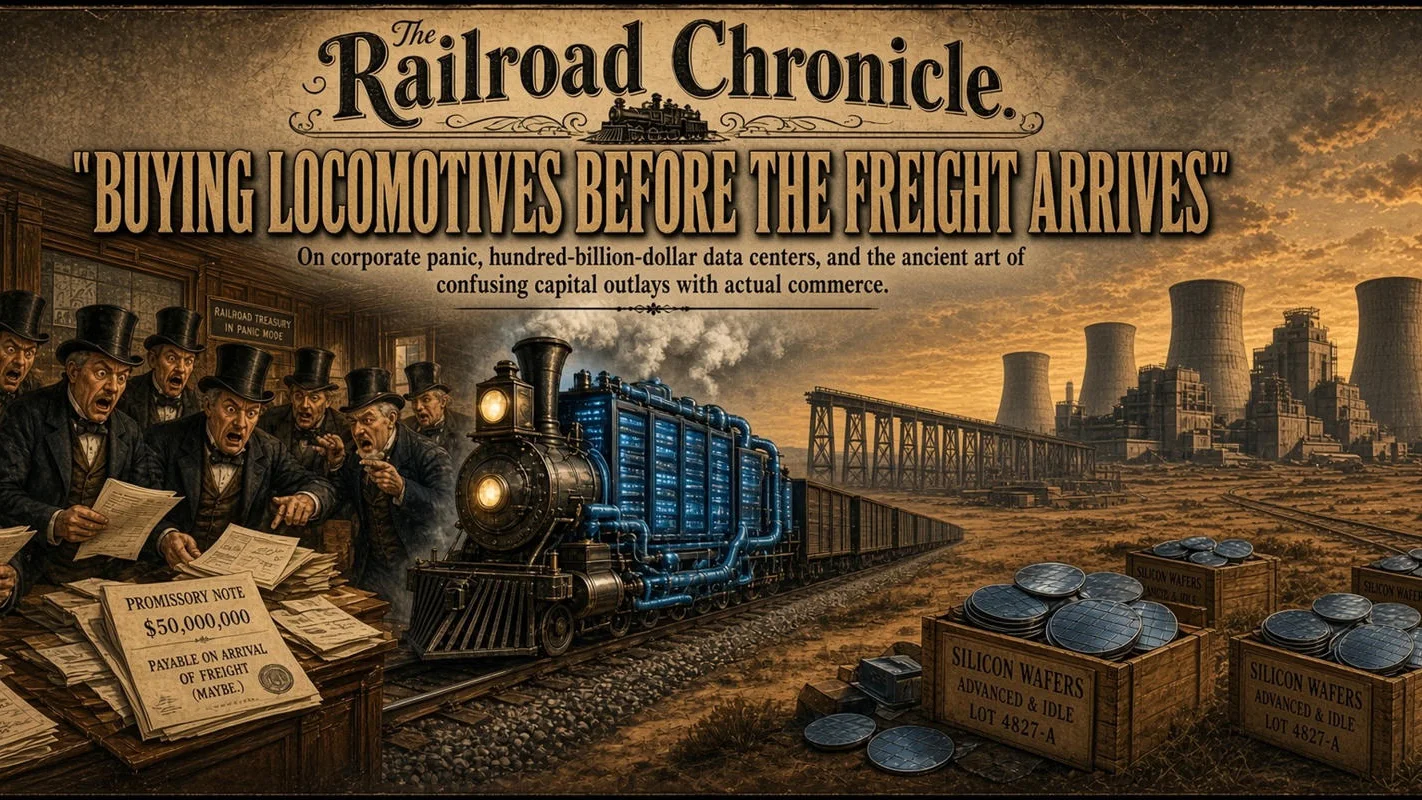
In the world of traditional investing, we look for intrinsic value. If I buy a share of a railroad, I am betting that people need to move coal and grain from one point to another. The value is in the utility of the tracks. In gaming, the utility is simple: it is the joy of the experience. If you strip away the promise of a digital token or a rising floor price, and no one wants to play the game, then the project has a value of exactly zero.
Most of these developers have it backward. They lead with the economy, polishing the coins and drafting complex whitepapers about inflation and scarcity, while the actual gameplay is a clunky, pixelated mess that wouldn't have passed muster in 1995. They are trying to sell you a ticket to a theater where there is no play, only a lobby full of people trading tickets with one another.
"If you have to pay people to play your game, you haven’t built entertainment. You’ve built a job with better graphics."
The Tail Wagging the Dog
There is a lot of talk about tokenomics as if it were a new branch of physics. In truth, it is often just a fancy word for a loyalty program that got out of hand. A healthy economy can certainly make a game more engaging as it adds a layer of consequence to a man's decisions. But the economy should be the wind in the sails, not the boat itself. When the financial incentive is the primary attraction, the community isn't a community at all. It is a group of competing liquidators.
I have observed many of these "play-to-earn" schemes, and the pattern is always the same. They create a loop where the player must buy an asset to participate, and then perform repetitive tasks to earn a token. This isn't play. This is labor. And because the labor has no real-world output other than moving numbers on a ledger, the only way for the system to survive is to keep finding new players to buy in at the bottom. We used to have a shorter word for that sort of arrangement, and it didn't involve the word gaming.
The Ghost Town Problem
What happens when the marketing department stops shouting? What happens when the next shiny object appears on the horizon and the speculative capital moves on? Without the anchor of genuine entertainment, these projects become digital ghost towns. You can see the ruins of them all over the blockchain: empty servers and worthless assets that were once heralded as the future of human interaction.
A real business, whether it sells shoes or starships, must be able to survive a month of silence. It must have a core product that people want regardless of whether the price is going up or down. Until these digital architects realize that a game must first be a game, they are merely building elaborate performances. They are lead-heavy on the technology and feather-light on the soul.
Caffeina was right to be frustrated. If you want to trade, trade. If you want to speculate, find a commodity. But don't dress up a spreadsheet in a costume and tell me it's the future of fun. I’ll stick to the investments that have a floor beneath them, and the games that I’d play even if my pockets were empty.
Marcus Thornewood