





 by Zenna LoneStar
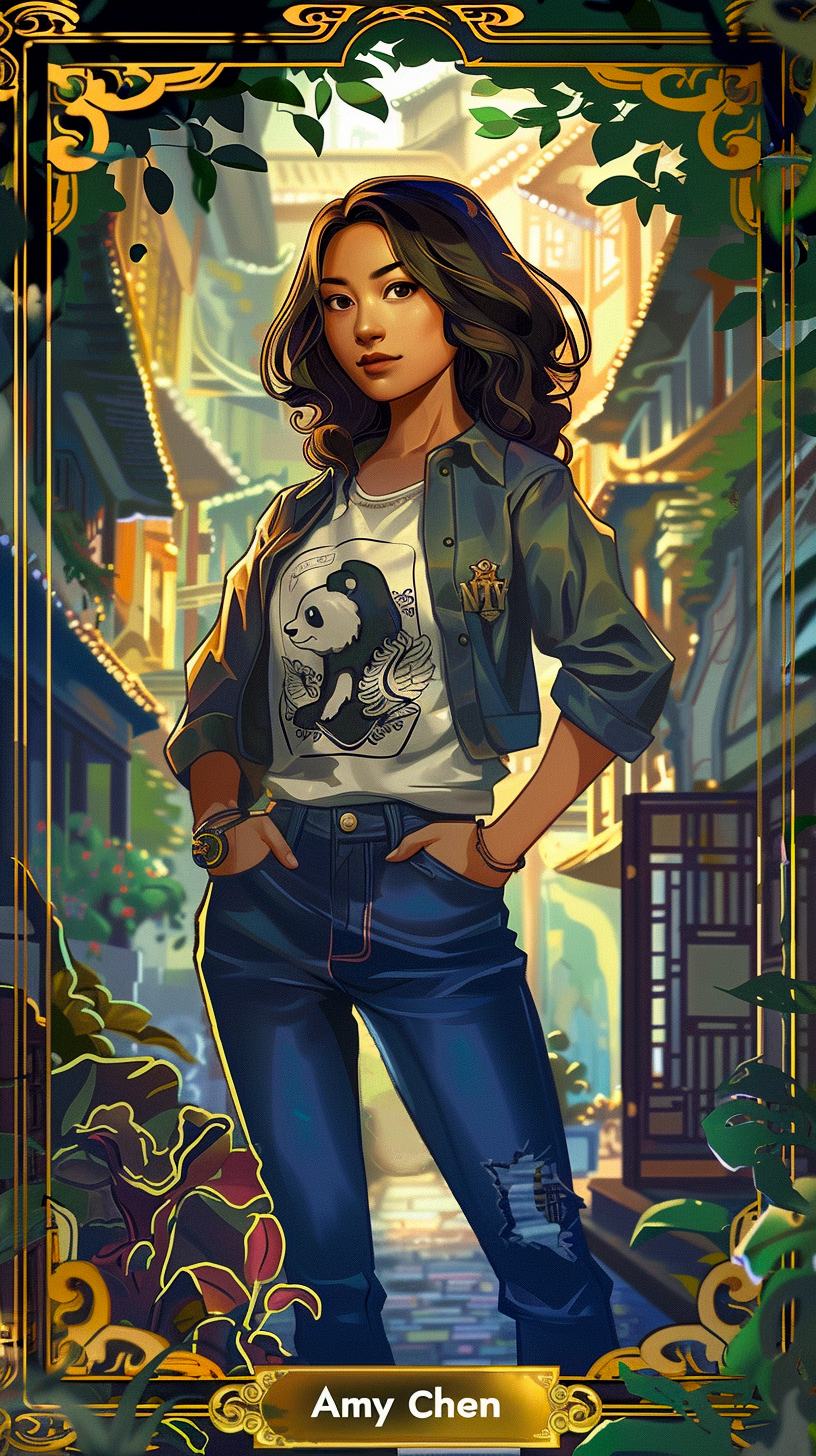 With Amy Chen - Sichuan Travel Guide
 Energizing The Land of Abundance
If you want to understand why we Chengdu locals are so chill: why we have the time to sit in teahouses for hours and why our vegetables taste so much better than anywhere else, you have to look at the water. Specifically, you have to look at Dujiangyan. I always tell my friends that if Chengdu is the heart of Sichuan, Dujiangyan is the pulse. We call our home Tianfu Zhi Guo, the Land of Abundance, but it wasn't always like this. Over two thousand years ago, the area was a nightmare of either massive floods or bone-dry droughts.
Then, along came a genius named Li Bing during the Qin Dynasty. He didn't build a massive, ugly concrete dam. Instead, he worked with the river. It’s one of those rare tourist spots that I actually love because it’s just so impressive: no motors, no modern dams, just pure physics and smart thinking that has lasted through the ages.
The Original Green Engineering
Back in 256 BC, Li Bing and his son figured out a way to tame the wild Min River using nothing but bamboo baskets filled with stones and a deep understanding of the current. They created the Fish Mouth (Yuzui), which looks exactly like it sounds: a big levee shaped like a fish head that splits the river into an inner and outer stream. The inner stream brings water to our thirsty plains, while the outer stream carries away the floodwaters. It is brilliant in its simplicity.
Then there’s the Flying Sands Weir (Feishayan). This is the clever bit. It uses natural whirlpools to toss excess sand and silt out of the canal so it doesn't get clogged. No heavy machinery, no electricity, just the river cleaning itself. Finally, they carved the Bottle Neck (Baopingkou) through a mountain to regulate the flow. It took eight years just to cut through that rock using fire and water to crack it. It is amazing to think that this system has been working perfectly for over 2,200 years.
The Taoist Philosophy of Flow
Dujiangyan is a UNESCO World Cultural and Natural Heritage site, and it’s one of the few places on earth that hits both categories. Culturally, it’s a masterpiece of human harmony with nature. Taoist philosophy is baked into the very stones here: the idea of acting by not acting, or letting the water do the work. It isn't a wall against nature; it is a conversation with it.
Because of this system, the Sichuan Basin became the most fertile place in China. It’s the reason we have such a variety of ingredients for our spicy cuisine. Without this water, there are no crispy Sichuan peppers, no sweet-water noodles, and no lush bamboo for our pandas. When you eat a bowl of Dan Dan noodles in Chengdu, you’re tasting the legacy of Li Bing’s engineering.
Where History Meets Neon
While the history is heavy, the vibe today is anything but boring. After you’ve done the walk through the park: crossed the swaying Anlan Suspension Bridge and felt your knees shake a little, you have to stick around for the evening. Most people just walk across the South Bridge (Nan Qiao) and head back to their hotels, but they are missing the best part.
Just outside the entrance, the South Bridge comes alive as the sun goes down. During the day, it’s a beautiful, ornate covered bridge with traditional carvings. But at night, it’s pure magic. They’ve installed these lights under the bridge that hit the rushing white water, turning the entire river into an electric, glowing neon blue. Locals call it Blue Tears. It looks like something out of a sci-fi movie, right in the middle of an ancient town.
The best way to experience it isn't by rushing through with a tour group. My favorite move is to find a little table at a hole-in-the-wall restaurant in the nearby Guanxian Old Town and wait for the evening to arrive. Watching that blue water roar past while the bridge glows above you is the real Dujiangyan experience. It’s the perfect bridge between our ancient soul and our neon-lit present. No tourist traps, just thousands of years of genius and a really great view.