





 by Canadian Artist Matt Vegh
Opinion / economic commentary. This is not investment, legal, or tax advice, and it is not a statement of anyone’s financial condition. Named networks and tokens are discussed as public market phenomena; figures move with blob prices, incentives, and product mix. Check primary dashboards and project documents before treating any number as current.

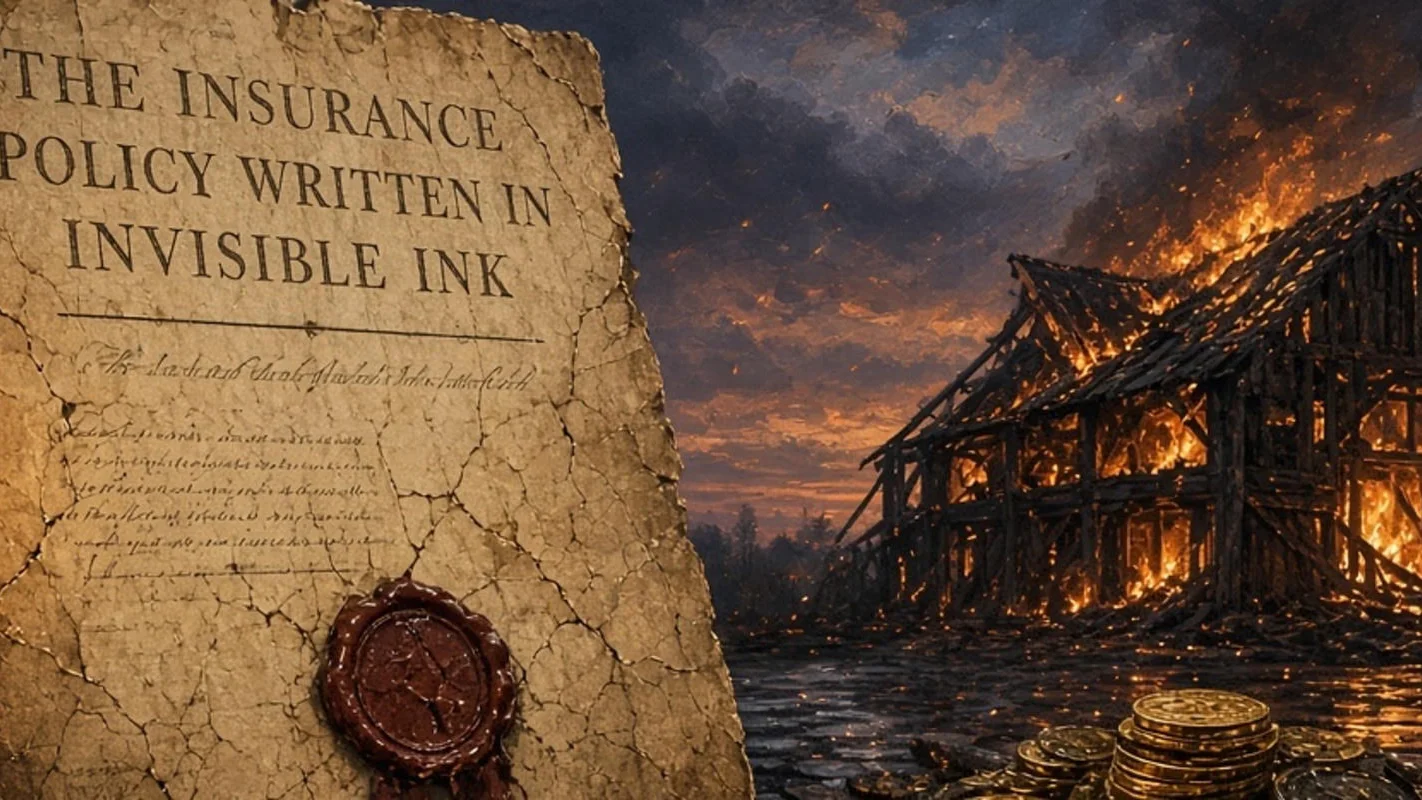
I have spent a considerable slice of a long life watching men try to sell the same barrel cheaper than the next fellow until the barrel itself is worth less than the hoop. It is an old amusement. The last act is nearly always identical: a handsome ruin, and the authors of it standing in the wreck asking, with touching sincerity, what became of the profit.
The country of digital ledgers is now running that same circus under a newer canvas, called Layer-2. The barkers promise a commerce so cheap a man might settle an account for less than the air he wastes praising the bargain. The danger, as I read it, was not invented by programmers. If cheapness is the whole of your stock, you have not built a house of trade. You have built a commodity, and a commodity has never yet been famous for loyalty, pricing power, or a quiet old age.
The invitation is siren-sweet. Come to our chain, they cry; our fees are a shaving off a cent. It sounds like the first chapter of a golden age. To a spectator who remembers railroad rate-wars, and who lived to see the dot-com procession discover gravity, it can also look like a magnificent bypass constructed for a road that has not yet established a town. You may polish the emptiness till it shines. If the travelers at the far end will not pay their own fare (unless hired to look busy), you may find you have macadamized a cloud.
Three Columns and A Meter That Spins
Consider a name such as Polygon. It has been in the world long enough to collect partnerships a circus poster would envy, and it is not one contraption but several: PoS, zkEVM, and a wider knitting-together of pipes. I look first at whether the fee-take resembles a business or a meter set spinning by a fair wind. If the plainest traffic in view is the shuttling of tokens for a sliver of a cent, then volume must perform heroic labor to make a large valuation look at ease. That is a suspicion about unit economics. It is not an appraisal of the enterprise, nor of any token, nor of any man’s purse.
Ethereum’s Dencun alteration (EIP-4844, which the learned call “blobs”) cheapened the posting of rollup data onto Layer-1. User fees on many L2s dropped as if a trapdoor had opened, which is honest mercy for anyone who needed a cheaper stamp. What it did to the operators is a subject upon which confidence outruns evidence. The bill paid up to Ethereum, the fees collected down on the L2, and whatever remains after data-and-proof costs are three ledgers, not one. Stir them together and you can baptize any moral you carried in the door.
In some public pictures taken after Dencun, rollup margins looked stouter, because the L1 bill shrank faster than the price charged the passenger. In other seasons the fee harvest looks spare beside the valuations and the incentive purses that travel in the same wagon. “More work for less pay” is a respectable nightmare in a price war. It is not a sworn description of every large rollup’s accounts after the blobs arrived, and a careful man will not swear it.
The homelier rule still seems sound. A business worth ink on the signboard can raise its price a nickel and keep a customer. If a merchant or a sporting man sits on your network only because it is this morning’s cheapest blockspace, he can vanish the instant a leaner rival pares another thousandth from the penny. A bargain-bin has never been a school of fidelity.
Fresh Paint and Old Counters
Then there are the offerings from houses such as Coinbase and Robinhood. I should not call those revolutions. I should call them renovations. Take a familiar brokerage or exchange, slide a ledger under the floor, and keep a larger share of the fee-stack in the family. That may be excellent shopkeeping. It does not require a novel about hidden motives, and it does not prove a quarrel with “digital freedom.” It does mean the premises can resemble a branded garden even when the fence is woven of code rather than brick.
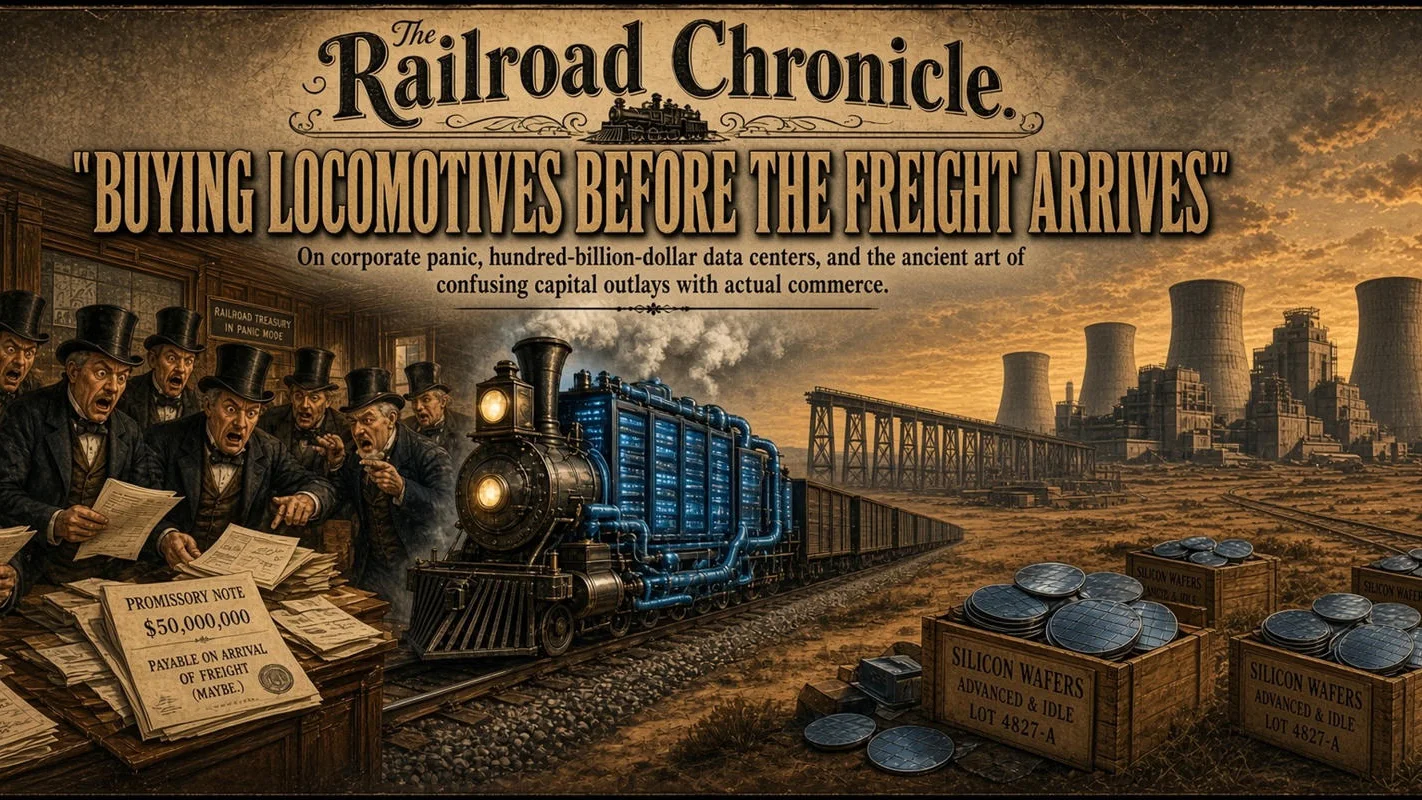
The riddle under the paint is whether these layers ease an ache the public actually feels. A great many people do not require a swifter engine for trading instruments whose demand is mostly a hall of mirrors. Until a chain carries work that ordinary money will buy twice such as a settlement, a payment, and a service with a line in a budget, high speed may still be complexity stacked upon speculation. A crowded depot does not prove the railroad earns its keep. Volume is not durable value. Men who confuse the two have been instructed in earlier ages of rail, wire, and vapor. They can be instructed again. That is a caution hung on the wall. It is not a forecast of any named security.
A Vote is a Fine Thing, and so is A Claim On The Till, But They Are Not Twins
Arbitrum and Optimism stand among the more frequented of Ethereum’s rollups. They take tolls on roads where, at times, a noticeable portion of the procession has been paid to appear. They enter the story by way of governance tokens—ARB and OP—which confer a vote. In the older dispensation a shareholder’s vote generally arrived with a residual interest in the profits. These tokens are not, as a rule, common stock. They do not, as a rule, send a dividend. Whether sequencer fees will ever cling to the token in a lasting fashion is a question of design and of committee weather. It is not a coupon in the waistcoat.
A treasury that spends tokens on grants and usage rewards can inflate the official census of activity without proving the same pilgrims would pay the same fare if the gift window shut. Press five dollars into a man’s palm to coax him indoors for a three-dollar widget, and you have not yet manufactured a customer. You have manufactured a campaign. A campaign may be a sensible way to open a new road. It remains a subsidy and a subsidy has a gift for impersonating demand until the band packs up.
A Mathematical Lock is a Credit to the Locksmith But It Does Not Furnish The House
The zero-knowledge fraternity speaks as if it had patented a fresh law of nature: security by cipher rather than by a small circle of validators promising to behave. A change in the trust model is no trifle. It is not, by itself, a castle moat. Proofs are not free; they consume specialized computation. If proving a transfer costs more than the transfer can return in profit, the business is pinched. That is not a charge that any named prover is “broken,” nor that its mathematics has come to grief.
Most of the freight on these chains does not require the theater of a powder-magazine. One does not hire the Swiss Guard to sentinel a picture of a weary ape, or a token struck last Tuesday. Security earns a premium when the article secured is worth securing past sundown. A moat poured of mathematics is still, at bottom, a stall selling blockspace. If one ZK shop offers a stouter proof and another offers “good enough” verification at half the price, a deal of speculative water will run downhill toward the cheaper hop. That is the etiquette of a commodity market. It is not a statute that every traveler must migrate, and no honest merchant vends “perfect” security.
Real wealth is not hammered from a race to nothing. It is built on an article that still has an excuse to exist when the price war has eaten the banners. The peril I mind is not a circus collapse of “the whole enterprise.” It is a quieter insolvency of reason: once the fee is a rounding error, the case for paying sequencers, provers, clerks, and upgrades grows harder to state without passing the hat for another issue of tokens. We have cheapened the telegraph to a marvel. The old question remains on the wire—whether anybody is writing a message worth the stamp.
Marcus Thornewood