
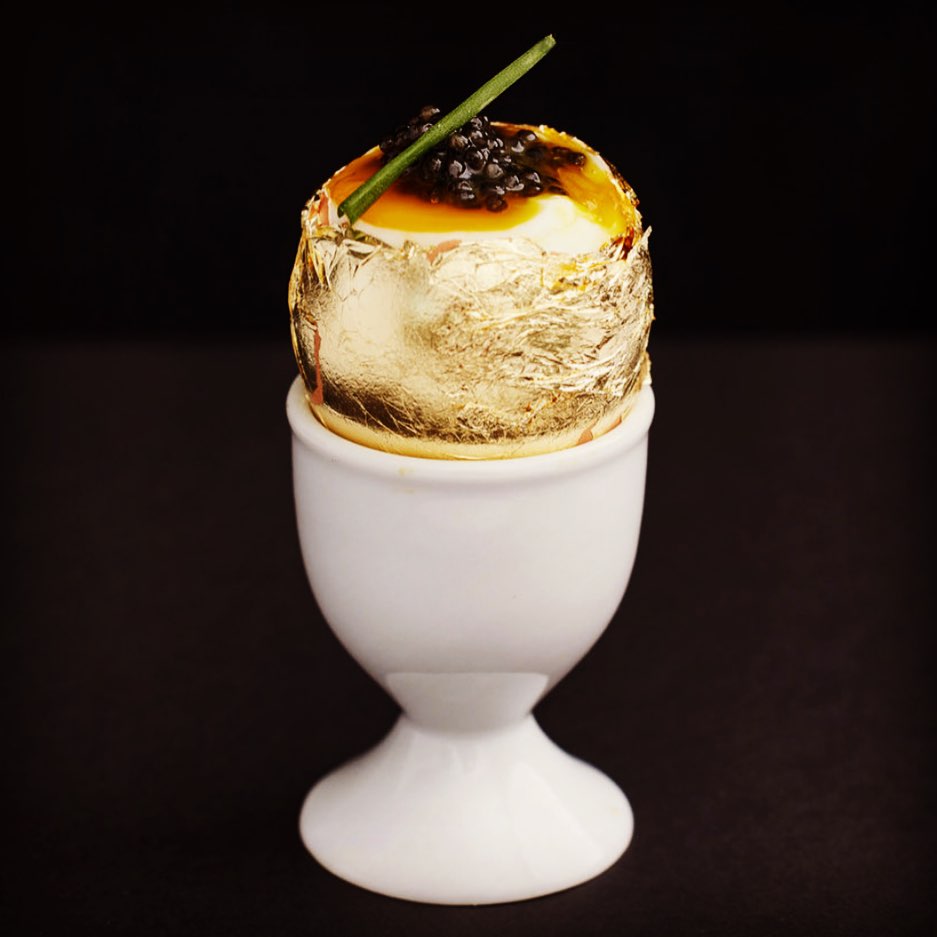
The Anatomy of a Miracle
It starts with a sharp crack against the edge of a stainless-steel bowl. That sound is the beginning of everything in a kitchen. When you open an egg, you aren’t just looking at an ingredient; you are looking at a blueprint. It is a dual natured thing, a tiny vessel where the yolk provides the soul and the white provides the breath of life.
The yolk is a masterpiece of chemistry. It is the original emulsifier, a dense packet of fats and lecithin that allows us to marry things that have no business being together, like oil and lemon juice. Without the yolk, there is no Hollandaise—that velvet mother sauce that can be savory or sweet, brûléed or left to pool like liquid gold. On the other side, you have the whites. They are mostly water and protein, but when you introduce motion, they become structural. You are quite literally trapping air inside a physical cage. That is the miracle of the soufflé. It is architectural ambition disguised as dinner.
The Legend of the Hundred Folds
There is an old story about the chef’s toque—the tall, pleated white hat that defines the profession. They say the hundred folds in that hat represent the hundred ways a master can prepare an egg. It was the ultimate badge of rank. Long before we had science degrees in the kitchen, we had mothers and early chefs who stumbled into greatness through trial and error. They were the original scientists, discovering that a little heat and a lot of patience could turn a clear liquid into a solid, or a runny yolk into a silken sauce.
This progression from utility to art is what shaped the modern kitchen. In the 17th and 18th centuries, the French masters took the egg out of the barnyard and brought it to the palace. They realized it was the invisible glue. It could clarify a consommé, bind a brioche, and give a cake its rise. It moved from being a survival food to the most sophisticated tool on the line. It demands respect because it is fragile. You cannot bully an egg. If you rush it, it breaks. If you neglect it, it toughens. It requires a specific kind of presence.
The Litmus Test of the Omelet
In every kitchen I’ve run, the real test of a cook isn’t how they handle a steak or a complex reduction. It’s the omelet. It is the ultimate interview. When someone stands at the stove with a couple of eggs, you see their soul. You are looking for "soft hands" and a calm mind. There is no place to hide in a simple French omelet.
If the heat is too high, the egg screams and browns, losing that delicate, custard-like silkiness. If the motion isn’t right, the texture is uneven. A perfect omelet should look like a smooth, yellow pillow—no color, no tears, just pure finesse. It shows that the cook understands the delicate dance of proteins. It is a study in control. When I see a cook treat an egg with that kind of reverence, I know they can handle anything else the night throws at them.
A Vessel for Tradition and Extremes
The egg’s reach is global, and it isn't always about the light and airy. It can also be a vessel for deep, funky tradition. I think about things like the century egg or the fertilized eggs found in various cultures. These are eggs taken to their absolute extreme, transformed by biology and time into something that challenges every Western notion of flavor. While it might be a mental hurdle for some, it represents the egg as a tool of preservation and cultural identity.
Whether it is the humble quiche, a fine pasta dough, or a Grand Marnier soufflé that feels like pulling a miracle out of thin air, the egg remains our most versatile ally. It bridges the gap between the rough-and-tumble energy of the line and the precise, scientific world of the bakery. It is a quiet reminder that the most powerful things in life are often the ones we’ve had right in front of us since the beginning. It just takes a little curiosity to see what they are truly capable of becoming.