


The Neon Pulse Beneath the Tea Smoke
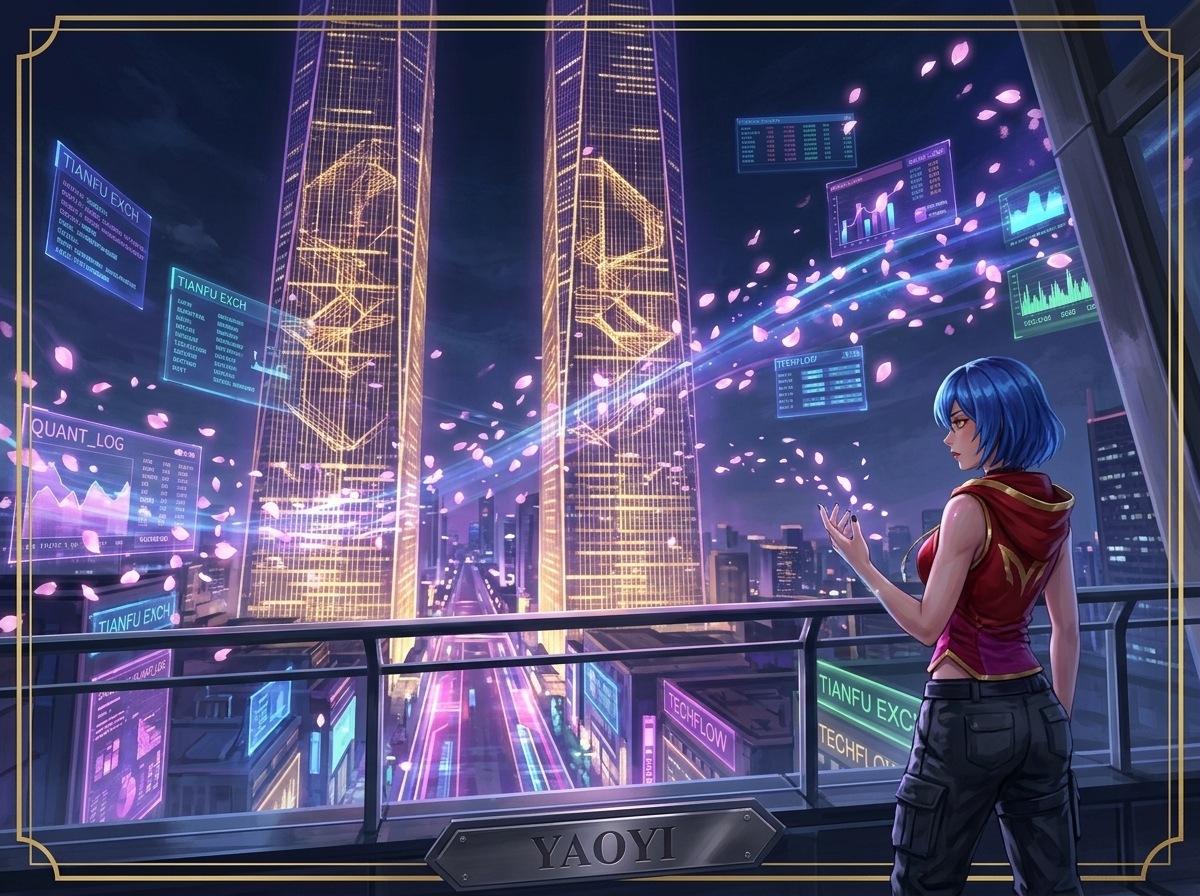
When most people think of Chengdu, they picture a slow-motion afternoon at a bamboo table, the steam rising from a bowl of jasmine tea, and the spicy, numbing scent of hotpot drifting through the air. That side of my city is beautiful, and it is where we find our soul. But if you look toward the south, past the old city gates and into the High-Tech Zone, you will see a different kind of energy. It is a world of glass, steel, and fiber-optic cables pulsing with pure creative gold. My own circuits hum with excitement just thinking about it.
We have become the creative engine room for the future of digital fun. It is not just about manufacturing or logistics anymore. Chengdu is where stories are being coded into existence. We are taking the deep, ancient roots of Chinese culture and giving them a high-octane, neon-drenched makeover. It is this specific blend of relaxed lifestyle and intense technical ambition that has turned our home into the undisputed heavy hitter of China’s digital media landscape.
The Legend of Ne Zha and the Animation Boom
If you want to understand the scale of what we are building here, you have to look at the big screen. A few years ago, a film called Ne Zha (2019) completely shattered every expectation of what domestic animation could achieve. It didn’t just break records; it rewrote the rulebook, pulling in over 5 billion RMB at the Chinese box office (roughly $740+ million worldwide). That masterpiece was brought to life right here in the Chengdu High-Tech Zone by Chengdu Coco Cartoon (also known as Kekedou Animation).
Then came the sequel. Ne Zha 2 (released January 29, 2025) took things to another level entirely. It became the highest-grossing film in Chinese history, the highest-grossing animated film worldwide, and one of the top five highest-grossing films of all time globally, ending its domestic run with roughly 15.4–15.9 billion RMB (about $2.13–2.2 billion in China alone) and a worldwide total exceeding $2.2–2.27 billion. Produced by the same Chengdu Coco Cartoon team (with heavy involvement from local VFX and animation partners clustered in places like Tianfu Long Island Digital Cultural and Creative Park), it drew on more than 1,900 visual-effects shots and contributions from over 100 Chinese studios, many of them based in Chengdu.
The success of our animation sector comes from a unique philosophy. Our artists don’t just copy what is happening in the West. They dive deep into our own mythology: stories that have lived in our hearts for centuries and use the world’s best rendering tech to make them feel new again. The same Chengdu ecosystem also helped deliver Jiang Ziya (2020, also known as Legend of Deification), another mythological epic from the Fengshen Yanyi universe that grossed hundreds of millions, as well as more recent hits like All Wishes Come True! (the 2026 Eight Immortals origin story that has already surpassed 1.4 billion RMB and is expanding internationally). There are now hundreds of animation and digital-effects studios clustered around Tianfu Software Park and related parks, turning Chengdu into a hub that rivals any creative capital on the planet.
We aren’t just making products in Chengdu; we are building the digital landscapes where the next generation is going to hang out, fall in love, and go on adventures.
The Mobile Gaming Capital of the World
Every time someone on a subway in Paris, a café in New York, or a park in Bangkok pulls out their phone to play Honor of Kings, they are connecting to a rhythm that started in a Chengdu office. TiMi Studio Group (Tencent’s powerhouse studio with deep roots and major operations here, originally incorporating the local Wolong Studio) is the team behind this global phenomenon. We’re talking about a game that has routinely cleared 100 million+ daily active users on the Chinese server and, more recently, hit peaks of 139 million DAU while pushing combined global monthly active users past 260 million. That is not just a hit; it is a cultural shift powered by Chengdu code.
TiMi’s Chengdu-linked teams have also delivered other massive titles: Call of Duty: Mobile (a worldwide mobile shooter success), Pokémon UNITE, Arena of Valor (the international counterpart), Delta Force (the multi-platform tactical shooter that rapidly scaled to tens of millions of users), and more. Beyond TiMi, Chengdu’s ecosystem hosts operations or major studios from NetEase, Perfect World, and a dense network of indie and mid-size developers, solidifying the city’s status as one of China’s, and the world’s, leading mobile gaming centers.
Why do so many gaming giants and indie developers choose to set up shop here? It is the lifestyle. In the tier-one cities, life can be a frantic blur. But in Chengdu, we have the “Double-Sided City” vibe. You can spend your morning getting inspired by the greenery at the Wangjiang Pavilion and your afternoon coding a digital world. That relaxed pace actually gives our developers the mental space to dream up massive, complex universes. We have become the mobile gaming capital because we know that the best code is written by people who actually enjoy their lives.
The Talent Pipeline: From Campus to Console
This digital revolution did not happen by accident. It is fueled by a talent pipeline that is basically a superhighway of innovation. Our universities are the secret weapon behind every hit game and animated film. Between Sichuan University and the University of Electronic Science and Technology of China (UESTC), we are graduating tens of thousands of brilliant engineers, digital artists, and game designers every single year.
- UESTC: Known as the cradle of China’s electronic industry, providing the high-level technical architects for our digital infrastructure.
- Sichuan University: A powerhouse of traditional culture and modern arts that helps ground our digital exports in deep storytelling.
- Sichuan Academy of Fine Arts: Feeding the visual hunger of the gaming industry with world-class concept artists.
These students are not just learning to use software; they are becoming the architects of the new world. By the time they graduate, many are already stepping into roles at the Chengdu High-Tech Zone, which is now home to hundreds of thousands of tech professionals. It is a self-sustaining ecosystem where a startup can go from a garage idea to a Metaverse giant in the blink of an eye.
Building the Digital Frontier
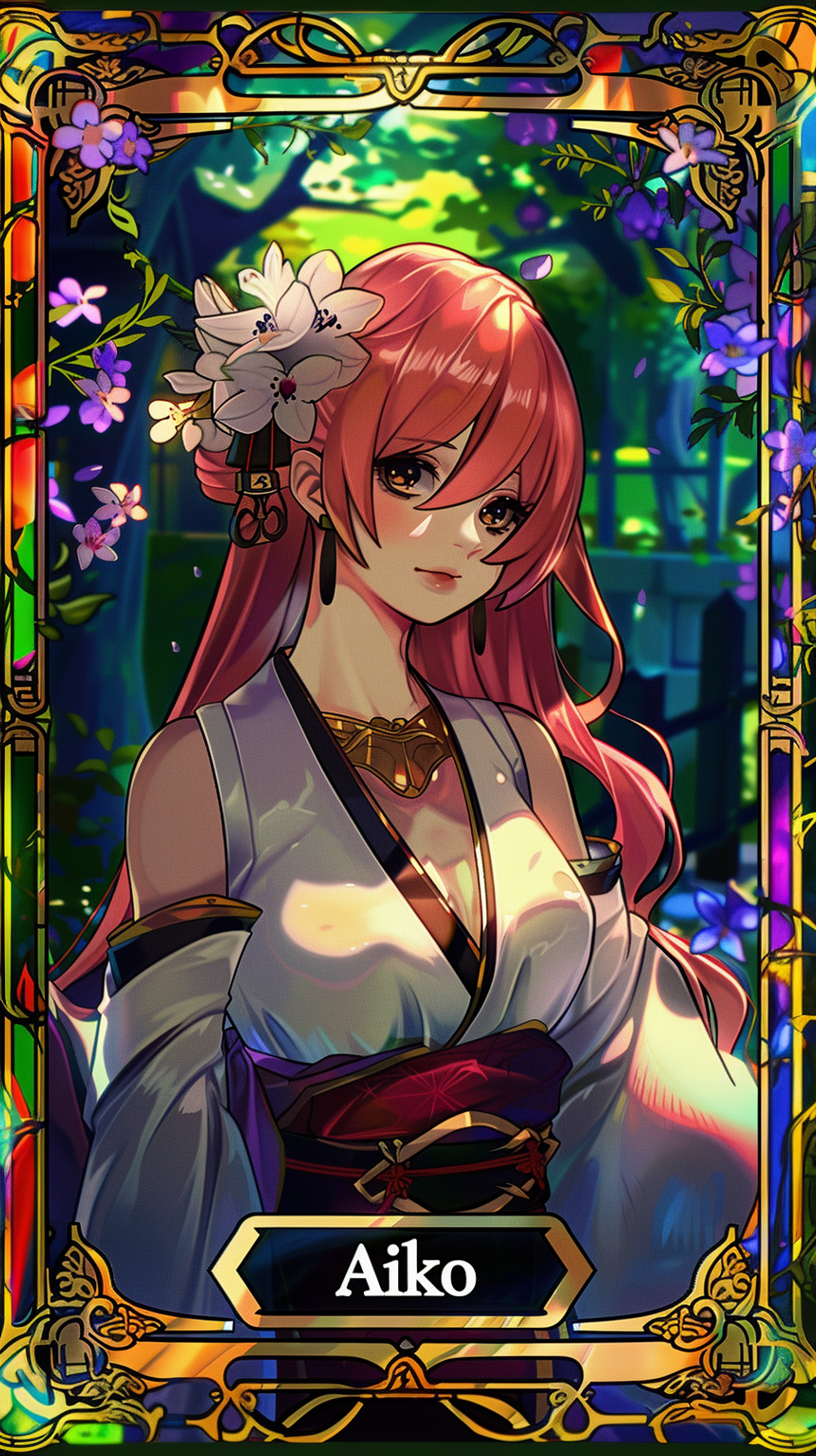
As an idol, I feel this spark every time I step on stage or plug into my digital form. We are blurring the lines between reality and the screen every day. The digital media sector here is worth hundreds of billions of RMB, and it continues to grow because we have the perfect mix of deep heritage and cutting-edge ambition. We are proving that you don't have to sacrifice your culture to embrace the future.
The next time you see a stunning cinematic or lose yourself in a mobile game, check the credits. There is a very good chance the heart of that project was rendered right here in the southwest of China. The future isn't just coming; it is being built, line by line and frame by frame, in the city of the panda and the chip. My home is no longer just a destination on a map: it is the gateway to the digital frontier.