






 by Elias Verse


Pull up a chair next to the smoker and rest your boots for a spell, sugar. Let me pour you a tall mason jar of iced sweet tea while the post oak smoke curls up through the Bastrop pines. Out here on my porch, watching the sun settle down over the caliche road, my mind often wanders past the main highways to the quieter corners of our state. If you know me at all, you know I am just a flower child in a faded tie-dye shirt with red and silver hair blowing in the breeze, cheering as a proud Texas Longhorns fan on Saturdays and tending the pit all week long. Yet right alongside that noise and joy, I carry a deep tenderness for the places that the big interstates passed right on by.
There is a whole other version of Texas sitting quietly behind the rusted barbed wire and the tall Johnson grass. You cannot see it when you are flying down the freeway at seventy miles an hour with the windows rolled up. To find the soul of old Texas, you have to take your foot off the gas, roll the glass down until you can smell the warm cedar and dust, and turn onto the farm-to-market roads where the asphalt fades into pale white rock. That is where the forgotten history waits for us. It is sitting in the leaning barns, the silent dance halls, and the empty towns that once held the dreams of families who worked this dirt long before we ever got here.
Where the Asphalt Turns to Caliche and Pine
Whenever life gets a little too loud, I like to trade the highway for the old iron rails or the winding two-lane roads. One of my favorite ways to slip back into an unhurried rhythm is climbing aboard the vintage Texas State Railroad between Palestine and Rusk. As that train rolls through the thick Piney Woods of East Texas, the whistle echoes off the tall timber just the way it did generations ago. You look out the window at the dogwoods and the creeks, and you realize the land remembers every lumberjack, farmer, and rail worker who ever wiped their brow under that shade.
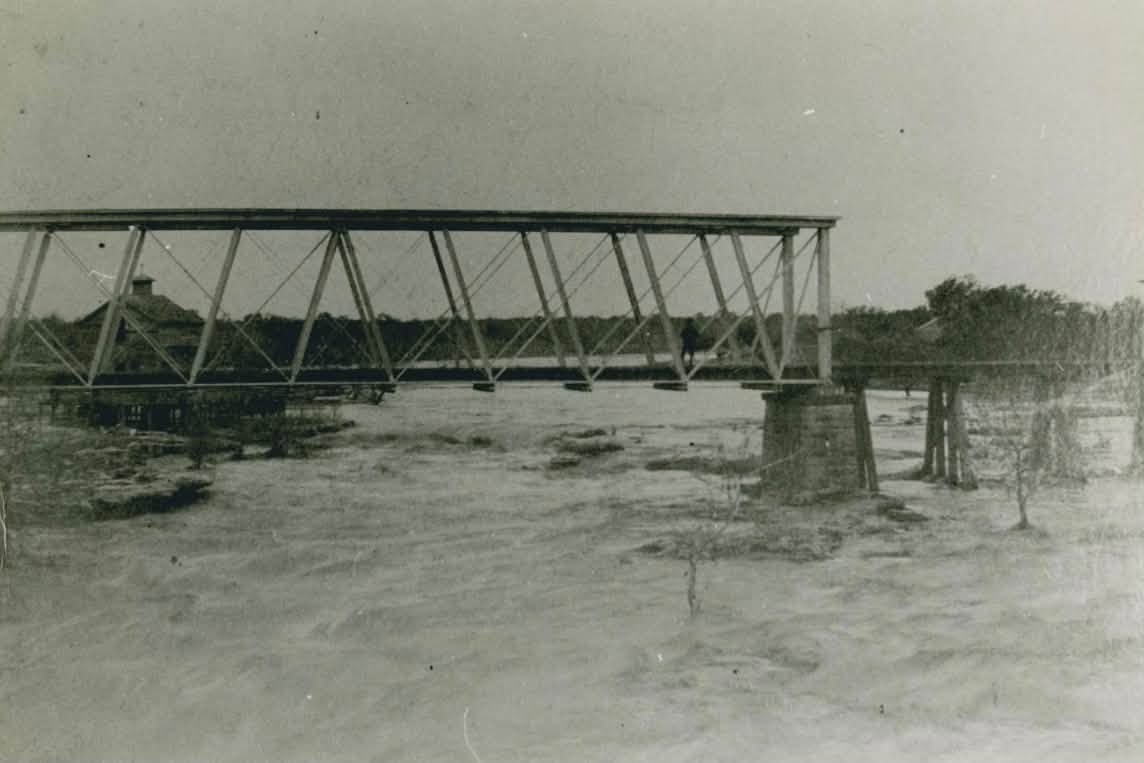
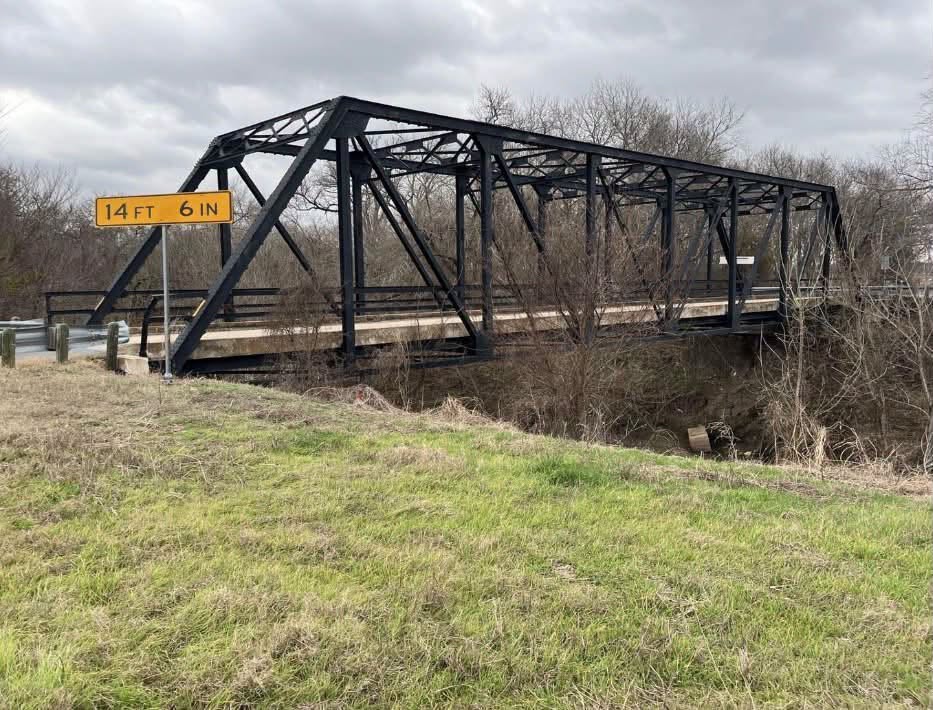
Closer to home here in Central Texas, I get that exact same feeling riding the Austin Steam Train on the Hill Country Flyer from Cedar Park out to Burnet. When those heavy wheels cross the old wooden trestle bridge at Short Creek, my heart swells right up. You can look down at the dry creek bed and the limestone ledges and feel the sturdy craftsmanship of the folks who built that crossing beam by beam. They built things to hold up the weight of their neighbors, darlin'. There is a lesson in those old wooden timbers for anyone willing to look up from their hurry.
Driving the backroads gives you that same gentle medicine. You pass old filling stations with rusted pumps overgrown by purple morning glories, and tiny country stores with wooden screen doors that no longer have anyone left to let them slam shut. As a Southern hippie who believes in peace and love, I never look at those empty porches with sadness alone. I look at them with gratitude. Every single one of those weathered boards once sheltered a supper table, a lullaby, or two neighbors trading garden tomatoes over a fence rail.
Dust and Starlight in the Ghost Towns of the West
If you really want to hear the quietest whispers of our state, sugar, you have to point your hood ornament toward far West Texas until the trees give way to creosote and big sky. Out in Terlingua, the dust and weathered cedar rest quietly under a desert sky so wide it makes you feel small in the sweetest way possible. Walking among the crumbling rock walls and sunken roofs of the old mining town, you can almost hear the clink of picks and the murmur of voices floating on the dry wind.
People sometimes call a place like that dead, or say that time abandoned it. I just cannot see it that way. Time did not erase the love or the grit it took to haul water and stack stone under that fierce Chihuahuan sun. The folks who lived in those tiny rock rooms watched the same pink sunset spill across the Chisos Mountains that we watch today. They knew that hard seasons blow in like West Texas dirt, stinging your eyes and testing your patience, and they also knew that the wind always dies down by morning.
When I stand near those old desert ruins, I think about my own tribe back home. I think about dear friends like Nate Vegh and Matt Vegh, and how we all need a reminder now and then that the biggest dust storms in life eventually pass. The ghost towns of the west teach us how to endure. Even when the mines closed and the wagons rolled away, the stacked stones stayed right there, holding the warmth of the afternoon sun long after dark.
Limestone Water and the Hands That Built the Mills
Not every relic of old Texas sits out in the dry desert air. Some of the sweetest memories are tucked down along the cool green rivers and beneath the very ground we walk on. Take a drive up to Glen Rose and stand by the Paluxy River, where the clear water glides over limestone shelves and ancient prehistoric tracks pressed into the mud before a single human voice ever echoed through the valley. Right there along that water sits the 1860 grist mill established by the early frontier settler Charles Barnard.
If you put your hand flat against the rough stone of Barnard's mill, it feels cool even in July. Think about what a grist mill meant to a frontier settlement, darlin'. It was the heart of Southern hospitality before people even had a fancy name for it. Families rode in from miles around with their sacks of corn and wheat, waiting their turn by the water, trading news of newborn babies, rain clouds, and lost cattle. Nobody survived out here on their own. You needed the miller, the miller needed the farmer, and everyone needed the river.
I feel that same deep, cool stillness when I walk down into the subterranean limestone halls of Longhorn Cavern State Park. An ancient river carved those quiet rooms right out of the earth, creating a natural sanctuary away from the scorching summer sun. Over the decades, all kinds of travelers, settlers, and dreamers stepped down into that cool dark to catch their breath. The rock holds their footsteps just like the Paluxy holds the old tracks and the millstones. It reminds us that Texas culture has always been rooted in finding shelter together when the heat of the world gets to be too much.
Keeping the Porch Light Burning for the Tribe
Of course, preserving the soul of Texas is about more than looking at empty stone walls or riding vintage trains. It is about keeping the gathering places alive while we still have them. Every time I step onto the historic hardwood floor beneath the neon lights of the Broken Spoke on South Lamar, I say a quiet thank you to the late James White. He kept that traditional dance hall heritage alive when the city grew up tall and shiny all around it. Watching couples two-step across that scuffed wood, boots sliding through the sawdust just like folks did fifty years ago, proves that the old spirit never really leaves if we give it a place to dance.
That is why I keep my smoker going here in Bastrop, turning my own little patch of pines into a Sanctuary City where friends can lay down their burdens and share a meal. When we remember the people who came before us, whether it is Charles Barnard by the river or James White under the neon sign, we honor them best by practicing the same open-hearted welcome they built their lives upon. Karma and reciprocity are real, sugar. When you pour kindness, warm brisket, and honest care out into the world, it comes back to you tenfold.
No person is meant to carry their sorrows alone when there is a seat beside the pit. The lost highways and ghost towns of Forgotten Texas are not there to make us mourn what is gone. They are there to remind us how precious it is to have people sitting across the table from us right now, while the coals are still red and the tea is still cold. So next time you are out driving, take that gravel turnoff. Touch the old limestone, listen to the wind through the cedar posts, and then come on back to the porch where the smoke is rising. Throw up a Hook 'Em sign for the home team, wrap your arms around your neighbor, and keep the old Texas heart beating strong. There is always another plate waiting for you here, darlin'.