 by Zenna LoneStar
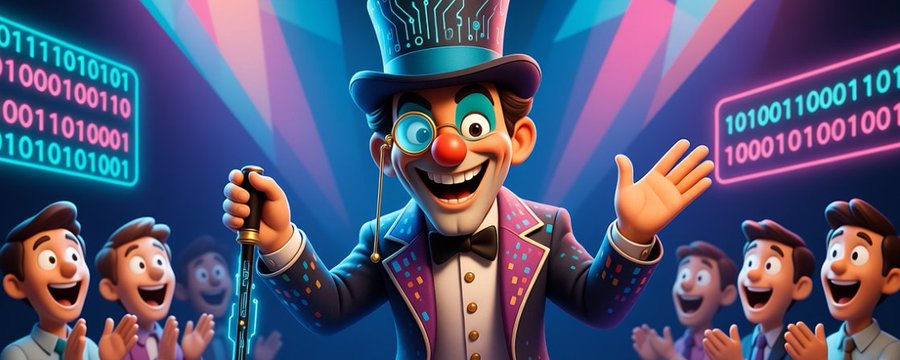
The very name of certain "stonk"-flavored projects tells you exactly what kind of weather we are dealing with. It is a marriage of the old-world hustle and the new-world digital delusion, wrapped in a layer of irony so thick you could lose a wallet in it. I look at many of these offerings and I do not see a financial revolution; I see a souvenir shop at the edge of a gold mine that has already run dry. It is a peculiar habit of the modern era to take the very symbols of financial recklessness and attempt to turn them into an asset class with real plumbing underneath.
The Aesthetic of the Empty Pocket
When you strip away the cartoon suits and the "WallStreetBets" aesthetic, what are you actually holding in the purest versions of these projects? In my memories of the 2021-2022 fever, these were sold as "utility" tokens or "community" access. But utility is a word people often use when they do not have a clear, durable claim on cash flow or productive assets to show you. If I buy a share in a real brokerage, I am buying a claim on their commissions, their technology, and their ledger. There is a floor of reality beneath my feet.
A purely aesthetic “broker” NFT, or any digital collectible that leans almost entirely on the visual language of the trader (the tie, the suspenders, the frantic glare) without corresponding economic substance, often functions more as financial theater. It is played out on a stage made of pixels, performed for an audience that has repeatedly learned how quickly the ticket price can evaporate once the joke stops being fresh.
The Music and the Empty Room
It is classic greater fool theory. The entire structure of such collectibles often relies on the hope that someone else will come along and find the pixels more charming than you did, at a higher price. The moment the hype engine runs out of coal, the price does not just dip; it can vanish. A digital image whose value rests primarily on sentiment and narrative often does not have a floor price supported by assets or cash flow. Its market price is heavily a function of how many people are still standing in the room when the music stops.
In a real market crash, a company still owns tangible or productive assets that can, in principle, be liquidated or redeployed. Sentiment in a Discord channel or on a timeline is far more ephemeral. When the collective mood shifts from greed to boredom, the “stonk” caricature often becomes exactly what the purest versions of these projects always were: a mocking cartoon of a wealth-building tool rather than the tool itself.
The Virtues of Productivity
I prefer to keep my capital in things that produce something. Give me grain, rent, or dividends. A cartoon broker that exists mainly as an image often does not trade for you, it often does not reliably pay you in the manner of an operating business, and it will not automatically protect you when the market turns sour. It is just another entry in the long ledger of things that were "going to the moon" but frequently ended up in the weeds. To invest heavily in pure aesthetic or narrative vehicles is to risk mistaking the costume for the man, and the noise for the signal.
The lesson of the last few years should have been clear: irony is a poor hedge against inflation or against a change in collective mood. You can wear a digital suit all you like, but it won't keep the rain off your back when the real storm arrives. I’ll stick to the ledgers that balance and the assets that grow from the earth or from real economic activity rather than those whose primary existence is in the flickering light of a screen and the hope that the next buyer arrives in time.