The art world has always been a messy, ink-stained business, but it possessed one quality that kept the bankers and the old-money families coming back: it was stubborn. A Rembrandt is a singular object. It has a weight, a smell, and a history of hands that have touched it. That physical friction is not a defect in the system; it is the very foundation of its value. You cannot fork a canvas, and you cannot copy-paste the age of the wood.
Lately, however, the miracle-peddlers have been trying to convince us that a line of code on a ledger is just as durable. They call them on-chain collectibles, and they have built a whole vocabulary of scarcity around them. They talk about limited editions and burn mechanisms as if they have discovered a new law of physics. But from where I sit, looking through the lens of a man who has seen too many new eras end in very old-fashioned bankruptcies, it looks less like a gallery and more like a printing press with the stop button removed.
The Fiction of the Software Switch
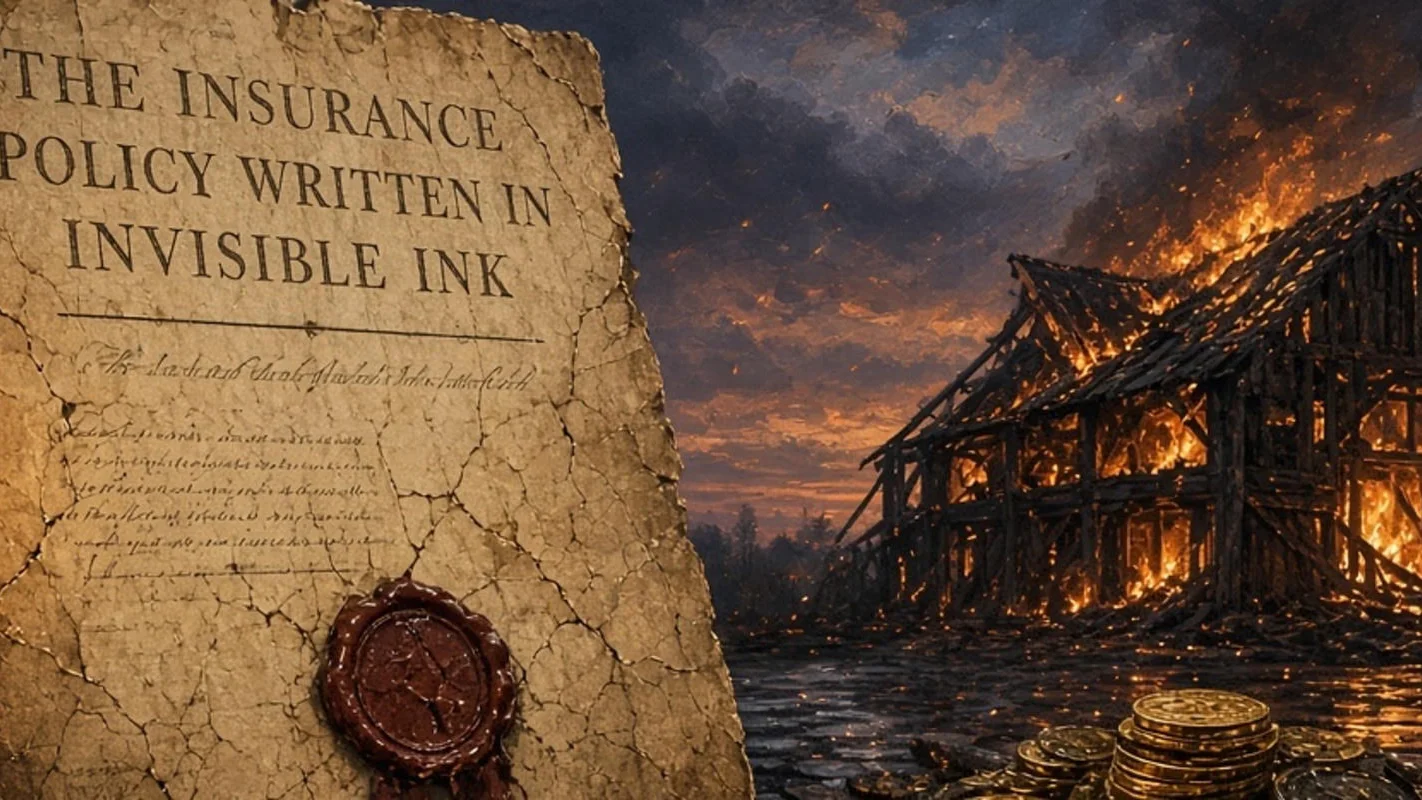
In the traditional market, scarcity is an objective reality. If a sculptor breaks the mold or the artist begins with a blank canvas, the work is finite because the physical world says so. In the digital realm, scarcity is a polite suggestion as a software switch that can be flipped the moment the community or the developers decide they want a new flavor of the month. We are told these tokens are rare, but that rarity is artificial, held together by the pinky-promise of a smart contract that can be duplicated, abandoned, or rendered obsolete by the next iteration of the protocol.
The problem is what I call the Infinite Inventory. When a person can click a button and flood the market with ten thousand variations of a pixelated ape or a geometric squiggle, the concept of a rare trait becomes a mathematical joke. It is manufactured rarity, and it has the shelf life of an open carton of milk in the July sun. Real value does not come from a randomized generator; it comes from the constraint of human effort and the stubbornness of matter.
"A blockchain will tell you exactly which wallet held a token, but it cannot tell you what that token is actually worth once the hype evaporates."
The Generative Flood and the Fork
We have seen these peaks before in the high-water marks of a speculative flood where receipts for shadows sell for millions. But these are not signs of a healthy market. In the digital world, if a project becomes successful, it is immediately forked, imitated, and diluted. Because there is no physical cost to creation, the supply of digital art is effectively infinite. For every genuine attempt at digital expression, there are ten thousand derivatives designed solely to extract liquidity from the gullible.
A value investor looks for durability. They look for assets that can survive a year of silence. They look for a founder and team whose reputation as honest dealers have a foundation and history. If the digital artwork is supported by real world assets or firm utility then there is long term value. If you stop the marketing parade and the influencer chatter, does the art still hold its ground? Most on-chain collectibles fail this test miserably. They require constant watering from Discord announcements and roadmap promises just to keep their heads above water. If a work of art requires a marketing department to maintain its price floor, it is not an investment; it is a product with a high maintenance cost.
- Physical Scarcity: Defined by the laws of physics and the finite nature of time.
- Digital Scarcity: Defined by code that can be ignored or replicated by the next developer.
- Provenance: A digital receipt of ownership that does not guarantee the permanence or scarcity of the underlying asset.
The Silence Test
Real blue-chip art does not need a roadmap; it just needs to exist. It sits in a vault or hangs on a collector's wall, and its value is derived from its historical weight and the fact that no one can ever make another one. When the waters of speculation recede, as they always do, you are left holding either a piece of history with provable provenance and scarcity or a high-speed betting slip for a digital casino.
Until the digital world finds a way to replicate the unyielding, un-copyable nature of physical reality, these NFT tokens will remain exactly what they are: speculative instruments. They are shadows of value, cast by a sun that is rapidly setting. I prefer to keep my capital where the friction is real and the inventory cannot be summoned by a script.