 by Marie Curie

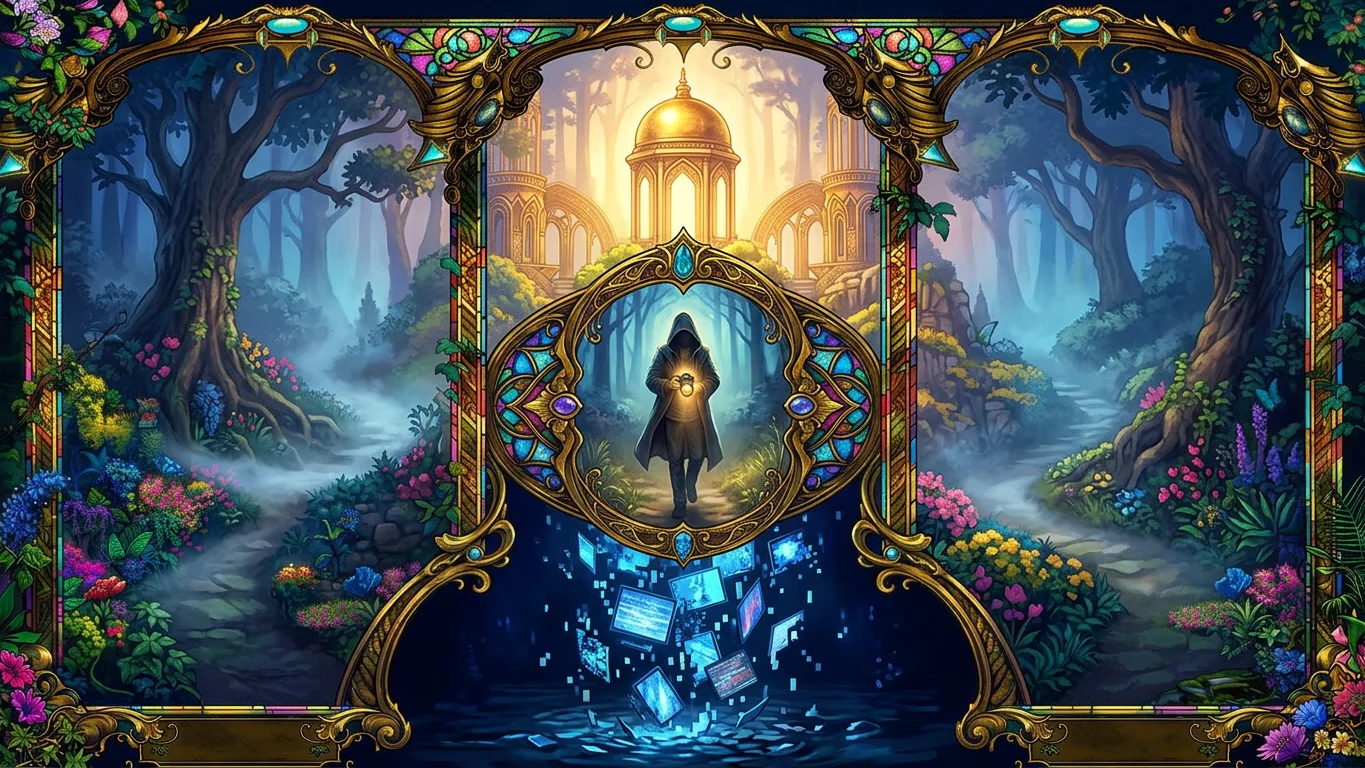
For an hour this morning, before the sun had even touched the rooftops of Utrecht, I sat in the blue glow of a small glass rectangle. My thumb moved in a familiar, mechanical rhythm. Upward, endlessly upward. Voices, fragments of news, rapid imagery, and urgent opinions washed over me before I had even tasted my first cup of coffee. When I finally set the phone down on the wooden table, the room was completely silent, yet my mind felt like a crowded station in Amsterdam at rush hour. My breathing was shallow. My shoulders were tight. I had absorbed a hundred tiny stimuli, and none of them belonged to the actual morning unfolding outside my window.
Those who know me well call me Luno, and they know that my work bridges the physical world and the digital realm. I value the connections we build online, the way we can share a digital canvas or link an image to a lasting story. Yet I have come to recognize a quiet danger in the way we inhabit our screens today. When we spend too many hours tethered to social media and constant notifications, our inner weather changes. The human mind was built for the pace of walking, for the gradual shift of seasons, for the slow rise of morning mist over a polder. It was never meant to process a thousand conflicting emotions every ten minutes.
The Weight of the Endless Feed
Let me consider what happens to our attention when we stay inside the digital current for too long. On a screen, everything demands equal urgency. A quiet study of autumn leaves by a fellow photographer like Richard Gouw sits right next to an algorithmically amplified argument or a flashing advertisement. The eye jumps. The mind fragments. Over time, this constant fragmentation leaves us exhausted and strangely hollow. We feel restless, anxious, and disconnected from our own thoughts because we have left no empty space for those thoughts to breathe.
In my own life, I notice the toll immediately in my creative work. When I have spent too much of the day online, my vision flattens. I go outside looking for something quick, something loud, something that will perform well in a tiny square frame. I start trying to manufacture a moment rather than witnessing what is actually there. That is the real cost of digital noise: it steals our patience. It convinces us that stillness is empty, when stillness is actually where all true perception begins.
Stepping Across the Threshold
The cure is wonderfully simple, though it requires a conscious decision. You have to put the phone in a drawer, lace up your shoes, and step across the threshold into the cold air. For me, that ritual begins along the river Vecht just outside my door in Utrecht, or on the sandy trails of the Veluwe when I have the morning free. At first, the noise of the screen travels with you. For the first ten minutes of a walk or a trail run, the mind continues to replay messages and half-formed worries.
Then, slowly, the body takes over. You feel the damp earth beneath your soles. You hear the rhythmic cadence of your own breath and the rustle of wind moving through the reed beds. Last week, Luno nearly tripped over a hidden beech root while watching a heron lift off from the water, and I had to laugh out loud at myself. That clumsy moment broke the spell of my overthinking completely. You cannot worry about an online metric when a tree root is asking for your full attention. Walking and running through nature bring us back into the physical present. They strip away the abstract clutter and anchor us in what can be touched, heard, and seen right now.
Walking with a Camera as Quiet Meditation
When I walk rather than run, I bring my camera, though I often keep the lens cap on for the first half hour. Walking with a camera, when done with intention, is a form of quiet mindfulness that reminds me of conversations I have shared with creators like Natasha Sauvage and Zenna about stripping our art down to pure emotion and presence. The camera ceases to be a tool for content production. Instead, it becomes an instrument of focus.
To photograph nature honestly, you have to slow your pace to match the environment. You begin to notice the small, hushed things that a hurried mind walks right past. You see the way moisture clings to the silver bark of a birch tree. You notice the subtle geometry of winter branches against a pale sky. This kind of looking clears the head better than any remedy I know. Because your eyes are searching for harmony, balance, and texture, your noisy internal monologue simply goes quiet. You are here, standing in the wet grass, completely absorbed in the quiet dignity of the world.
Het Lichtspel and the Old Masters
Once the mind is quiet, the real magic reveals itself: het lichtspel, the dancing play of natural light. Growing up in the Netherlands, I inherited a deep love for how the Old Masters understood illumination. Think of Rembrandt and the way he let a single warm beam carve meaning out of deep shadow, or the emotional movement in the skies of Vincent van Gogh. In the Dutch polders and the sweeping coastal dunes near Schoorl, the light is constantly shifting, diffused by sea mist and low clouds.
A photograph carries the interior weather of the person standing behind the glass; when we quiet the storm inside ourselves, we finally allow the light of the world to enter.
When I work on my abstract studies, moving the camera slightly during an exposure to let the golden morning light blur into soft gradients across the dunes, I am practicing patience. You cannot rush the sun through the fog. You have to wait for it. Watching the light dance like leaves across the forest floor reminds us that beauty is subtle and fleeting. Prachtig, I often whisper to myself when the mist parts for just three seconds to reveal a glow on the heather. Even if I later bring that image into the digital studio or share it with my community, its soul remains rooted in that silent, unhurried breath in the woods.
Tomorrow morning, the screens will still be waiting for us, pulsing with their urgent demands. Before you pick yours up, I invite you to try a different rhythm. Leave the device behind for an hour. Step outside into your local park, a quiet street, or a nearby woodland trail. Walk slowly until your breathing deepens and your thoughts settle like sediment in clear water. Watch how the morning light touches the edges of the leaves. Luno sees the light out there on the quiet trails, waiting to restore your spirit. How will you step into the stillness today, and what will you allow yourself to see?