


 by Captain Oat
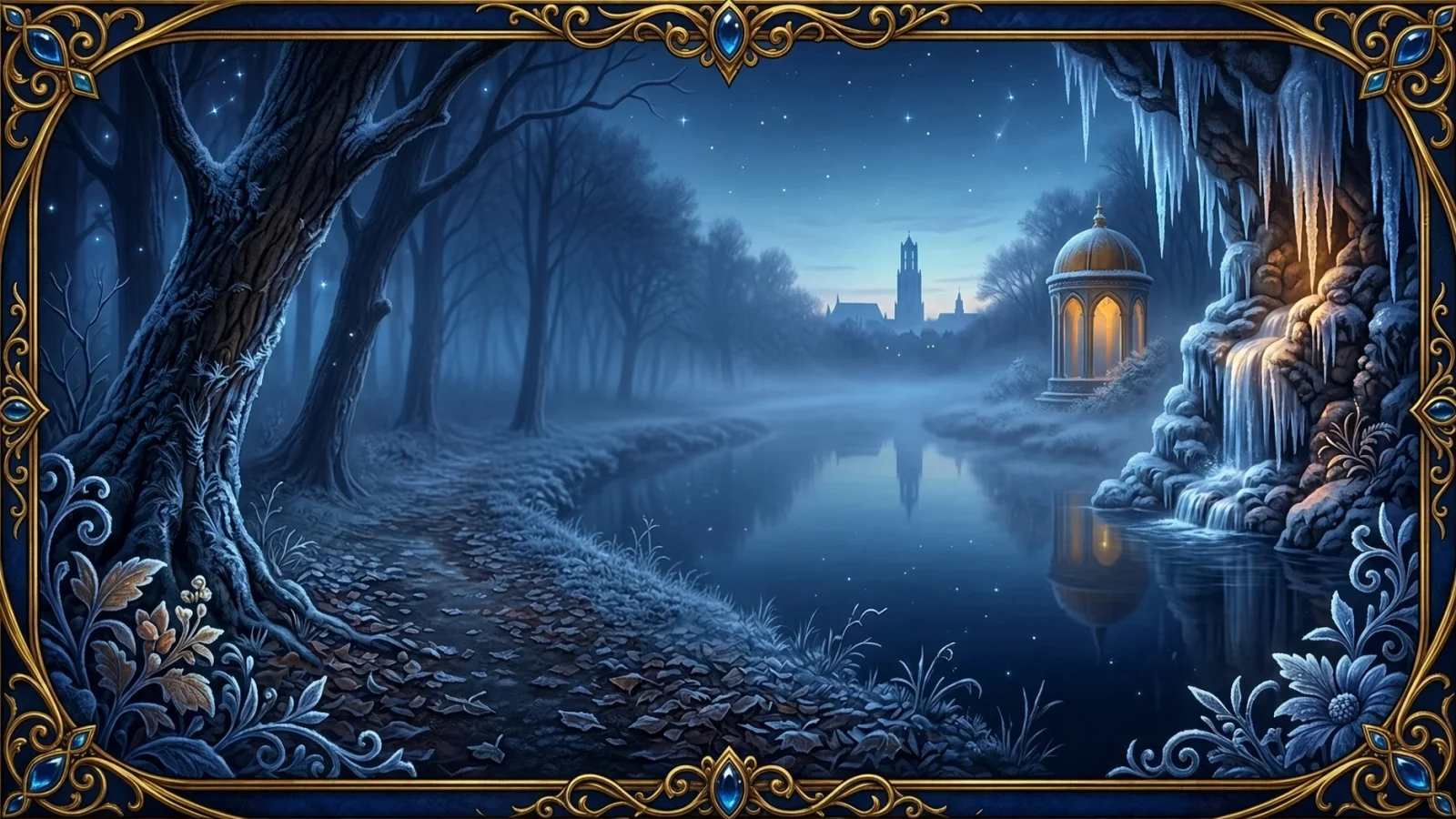

The morning air in Utrecht tasted of wet lime mortar and fallen birch leaves when I stepped out of my doorway before seven. Friday, the ninth of October, and the chill arrived right on schedule. It sat heavy over the Oudegracht, holding the water flat like grey sheet zinc. My shoes made a clean slap against the paving stones, that hollow domestic sound of an old city waking up slowly behind heavy curtains. I needed to move. After two days spent sitting before the glow of monitors, adjusting tonal balances and checking smart contract proofs for an upcoming archival print release, my legs felt stiff and my mind felt crowded. Movement is my antidote. When the body settles into a steady cadence, the internal chatter drops off, mile by mile, leaving only breath, gravel, and whatever light the Low Countries decide to offer.
The Morning Stride to Amelisweerd
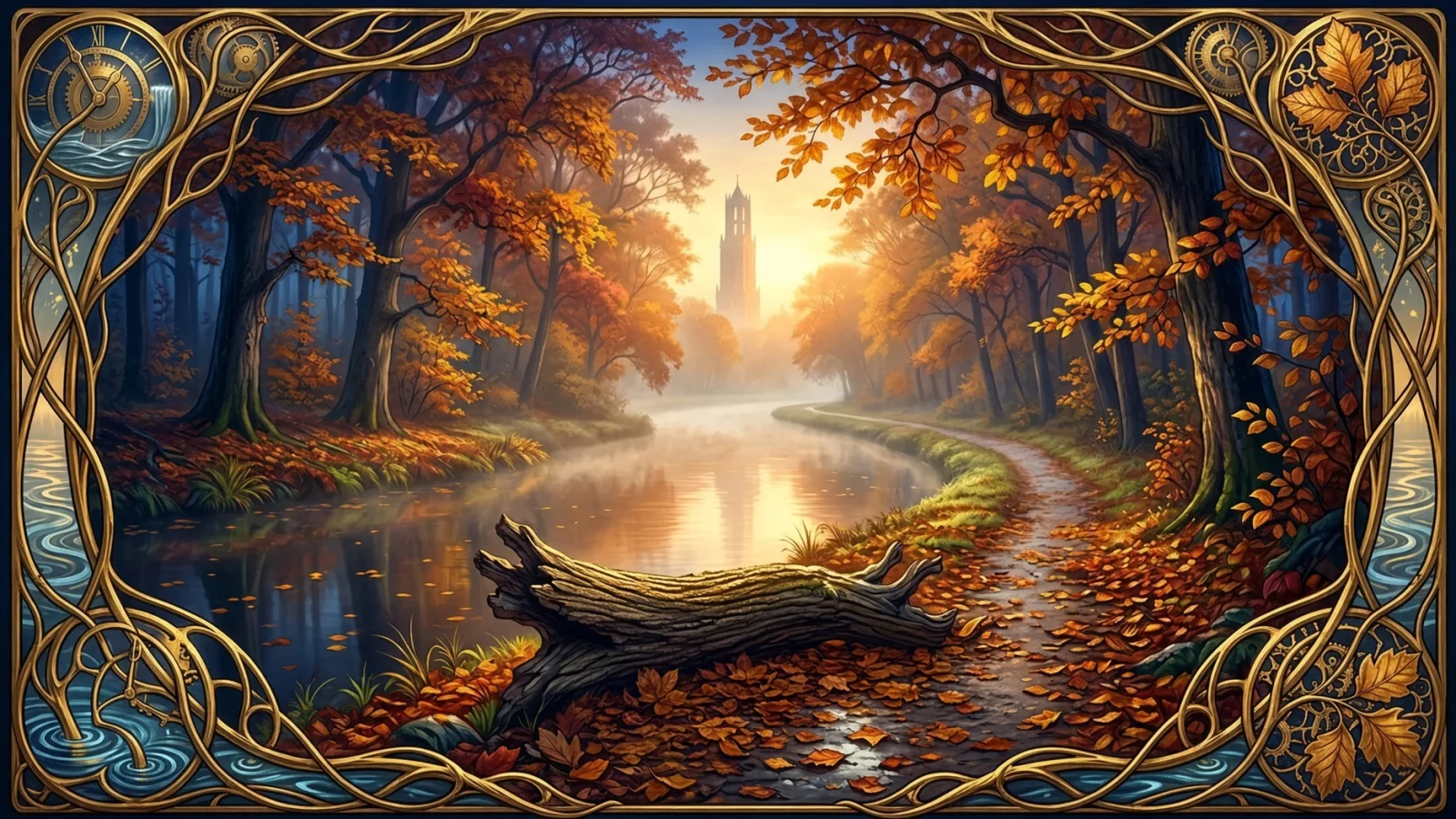
I followed the towpath south toward Amelisweerd. Once you leave the cobbles behind and strike the dirt paths along the Kromme Rijn, the noise of Utrecht dissolves into rustling reeds and the occasional slap of a grebe diving in dark water. The mist hovered waist-high over the meadows. In the polders, our morning light rarely breaks with violence. It arrives through layers of cloud and water vapor, diffused until the whole sky turns into a giant softbox. Rembrandt understood that quality of low, sideways illumination better than anyone. He knew how shadows hold warmth if you give them room to breathe, how darkness is never empty blackness, but a dense gathering of brown, ochre, and deep soot.
As my pace picked up, my lungs cleared. Running is where my compositions assemble themselves before I ever lift a camera. There is an endurance to seeing. When your heart rate settles into a steady sixty percent rhythm, your peripheral vision opens. You stop looking for grand vistas and begin noticing the cadence of verticals: dark trunk, grey gap, pale birch, dark trunk. Luno almost went headfirst into a patch of stinging nettles near the third bend because I was watching a bank of frosted buttercups catch a sliver of sun instead of minding the roots underfoot. It would have been a clumsy price to pay, but the light was prachtig, truly beautiful, and worth the misstep.
A Droplet of Amber Resin on Split Bark
I pulled up near an old alder tree leaning out toward the water. My breath rose in small plumes against the grey reed beds. My knee felt cold where damp grass had brushed my leggings, and my fingers had that familiar stiffness that comes with autumn mornings. That was when I saw it. It was a single, pea-sized drop of resin, squeezed out of a fresh split in the bark about chest height.
The sun had finally crept above the tree line across the water, hitting the droplet from behind. It hung there like a tiny, glowing ember. Inside the sap, trapped by the cold, were two specks of black grit and a hairline fracture of air that bent the beam of sun into a bright gold focal point. The rest of the tree trunk was dark, sodden with overnight rain, almost purple-black in its wetness. That single bead of sap held everything I chase in my work. It had the fierce warmth of a candle in an interior by Vermeer, held against a wall of quiet, cool grey.
I stayed there for ten minutes, leaning against the cold trunk, letting my heart rate drop completely. I took three exposures using my compact field body, keeping the lens wide open so the dark river behind softened into a fluid wash of charcoal and moss green. In photography, people often rush to capture the whole forest. They want every branch, every leaf, every dramatic cloud. But sometimes one small tear of sap tells the whole story of the season: the tree sealing its skin against the coming frost, holding summer sun inside its blood before the long sleep.
Bridging the Trail and the Ledger
Back at my studio near the canal, with dry wool socks on and a pot of strong black filter coffee brewing, I pulled the card from the camera. The digital negative had that quiet stillness I had felt on the riverbank. When I process an image like this, I work in layers of gentle contrast, building tone the way the old Dutch masters layered glazes on panel. I do not push saturation. Nature does not need neon paint to make its point. It needs tonal separation, a clean transition from deep shadow into that burning amber core.
Later this month, this study will become part of a small series. Each physical print, pressed on heavy cotton rag, will be anchored to an on-chain digital twin. For me, pairing physical prints with verifiable digital records is a natural extension of studio practice. It gives the work provenance, clear history, and a direct line between the collector and the woodland where the shutter clicked. When people come to my site to read these field journals and view the work, they almost always arrive directly, typing out the address on their own keyboard without a social feed spoon-feeding them an algorithm. That deliberate choice matters deeply to me. It feels like someone walking out of the fog onto my porch to look at prints together.
The light is falling now outside the window. By five o'clock in October, the blue hour begins to pool under the bridges of Utrecht, and the street lanterns cast yellow rings across the water. My mood tonight is settled, steady, and warm. Tomorrow morning I will run the same trail, though the resin drop on the alder bark will likely have gathered dust, or washed away in the evening drizzle. The memory of its gold center stays here in the frame, drying slowly under the studio lamp.